The Policy Shift
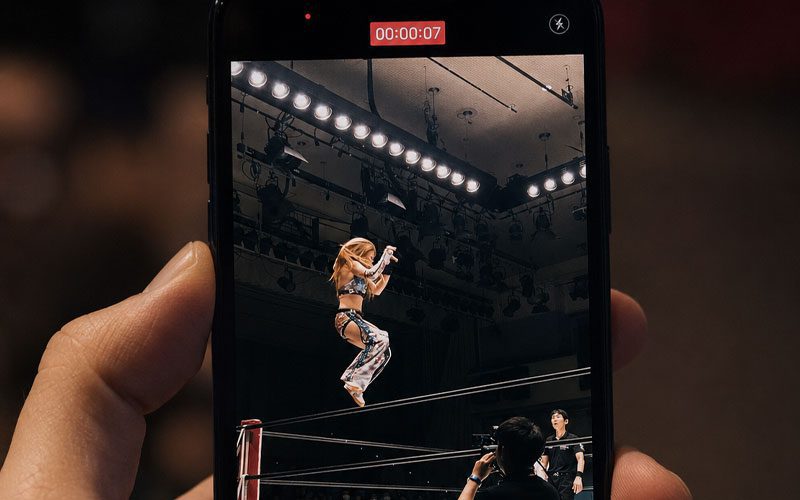
Stardom has officially amended its long-standing ban on fan-recorded footage. Starting this month, the promotion is allowing attendees to capture video content during live events for personal use. The move represents a significant departure from the company's historically restrictive media stance, which previously treated even handheld camcorders as a potential intellectual property breach.
The policy update focuses on individual segments rather than the full production. Fans are restricted to recording moments when specific talent is active, provided no copyright-protected walkout music is playing during these windows. It is a nuanced, albeit cumbersome, adjustment for the promotion.
The Devil in the Details
The catch is significant for anyone hoping to upload full match recaps to social platforms. While Stardom acknowledges the power of viral clips, they have implemented a strict prohibition against using professional-grade recording equipment. Fans caught with tripods, stabilized gimbals, or long-range camera lenses face immediate removal from the venue.
This creates a bizarre situation for independent content creators who rely on high-fidelity footage to analyze match psychology. If you cannot stabilize your shot, your footage remains amateur. The move seems designed to encourage organic social media promotion while simultaneously preventing the rise of high-quality fan channels that might compete with the company’s official streaming platform.
Stardom is loosening the leash on fans with their phones, but don’t get it twisted—this is not an invitation to film the whole damn show.
Market Context and Industry Reaction
Historically, Stardom functioned under the umbrella of protectionism common in Japanese domestic wrestling. Unlike many US promotions, which thrive on the rapid circulation of GIFs and highlight reels during live events, Japanese organizations traditionally prioritized their own PPV and VOD sales. As Ringside News reported, the shift signals an awareness that the current digital marketing strategy needs modernization.
However, the execution here feels disjointed. By limiting the filming to non-musical sequences, the promotion creates an unnecessary barrier. Fans are now forced to monitor the arena speakers during a closing strike exchange, fearing they might be booted if a song kicks in at the wrong moment. This adds unnecessary administrative friction to a night of wrestling.
This policy also highlights a recurring flaw in Stardom's recent booking and outreach initiatives: a lack of clarity. If the goal is to expand the western footprint, the solution is standardizing filming rights for everyone. Instead, they have opted for a tiered system that leaves casual fans guessing what is permitted and what is cause for ejection.
What Changes on the Ground
Wednesday night crowds will likely see a uptick in phones held aloft, but the quality of that content will remain erratic. Without support for stabilization, professional analysis remains locked behind official company paywalls. That is a fair business choice, but it keeps the barrier to entry high for potential global fans.
The promotion needs to decide if it wants to be a closed ecosystem or a growth-oriented league. Trying to occupy the middle ground results in fragmented, amateur-quality clips that only serve as brief reminders of great matches. If the goal is to build long-term engagement, the current restrictions on equipment seem outdated in an age where high-quality mobile hardware is common.
We can expect internal pushback from the talent if this leads to distracting screen glare during high-intensity sequences. Wrestlers in Japan pride themselves on the atmosphere of the arena, and a sea of smartphones can significantly disrupt that intensity. Management is walking a razor-thin line between modernizing visibility and protecting the live experience.
Ultimately, this change is a soft opening to a wider problem. Stardom is not yet prioritizing the seamless spread of their product across western social media platforms. Until they simplify the rules, the footage generated will remain niche and mostly inaccessible to the mainstream audience. It is a slow start for a company that should be running full speed into digital expansion.