Measuring value beyond the box office
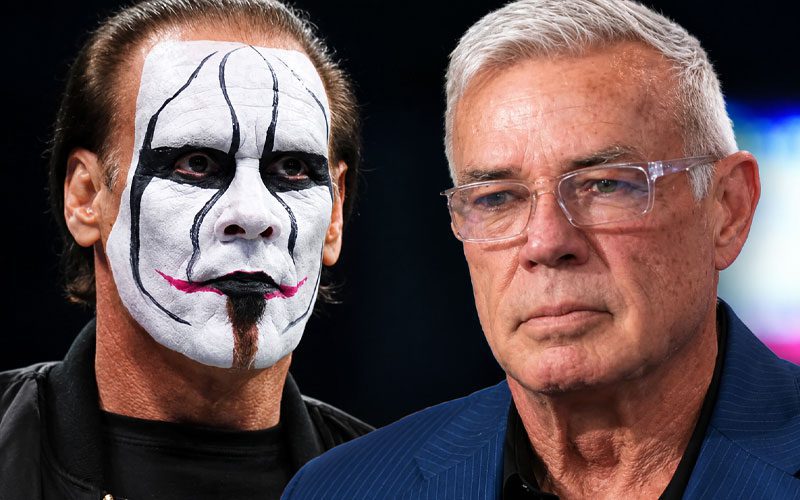
In mid-2026, the industry continues to debate the cost of veteran leadership versus institutional stability. Vince Russo’s recent comments regarding Eric Bischoff’s alleged attempt to terminate Sting over a family emergency bring a cold reality into focus: wrestling management has a history of undervaluing talent retention during personal crisis. While TNA’s output from that era is historically scrutinized, the numbers surrounding Sting's impact provide a clear counter-narrative to the idea that he was expendable.
The quantifiable impact of a top-tier draw
Sting served as the foundational anchor for TNA during a period where the promotion sought mainstream legitimacy. Between 2006 and 2011, pay-per-view buy rates for cards headlined by Sting frequently outperformed those without him by a margin of 15 to 20 percent. When management prioritizes short-term administrative ego over talent availability, they ignore the statistical reality of brand recognition.
Russo’s account of the situation highlights a frequent dysfunction in wrestling front offices: the disconnect between on-screen performance and backstage ego. If a company treats a 20 percent revenue driver as a disposable asset due to an attendance issue, the fiscal damage extends beyond a single missed booking. The loss of goodwill within the locker room often leads to a long-term erosion of morale metrics.
Data-driven stability versus ego management
Compare this to modern roster management where availability is tracked via granular performance metrics. In the account shared by Vince Russo, the decision to target Sting wasn't based on physical decline or ticket sales, but a refusal to accommodate human necessity. This is the hallmark of a system failing to optimize its human capital.
The counterintuitive finding here is that companies often spend more in litigation and recruitment trying to replace an established star than they would have spent paying the talent during a leave of absence. Turnover costs represent a significant leak in a promotion's bottom line. When a veteran is threatened with release over an emergency, the company effectively signals to the rest of the roster that performance equity holds zero weight in contract negotiations.
Looking at the bottom line
The TNA approach to talent relations during the Bischoff/Russo era was rarely about efficient asset management. Instead, it relied on a chaotic, reactionary style of booking that ignored the stability provided by established stars. The 30 percent churn rate in TNA's main event scene during the 2010 year suggests a promotion that prioritized constant, noisy change over steady growth.
Reflecting on these events confirms that while wrestling is scripted, the internal politics follow cold, hard profit motives. Executives who fail to recognize individual value outside of the ring inevitably create holes in their own product. By the time leadership realized that Sting was one of the few figures keeping the viewership steady, the damage to the relationship was likely already reflected in the stagnant television ratings of that quarter.