The summer booking crunch
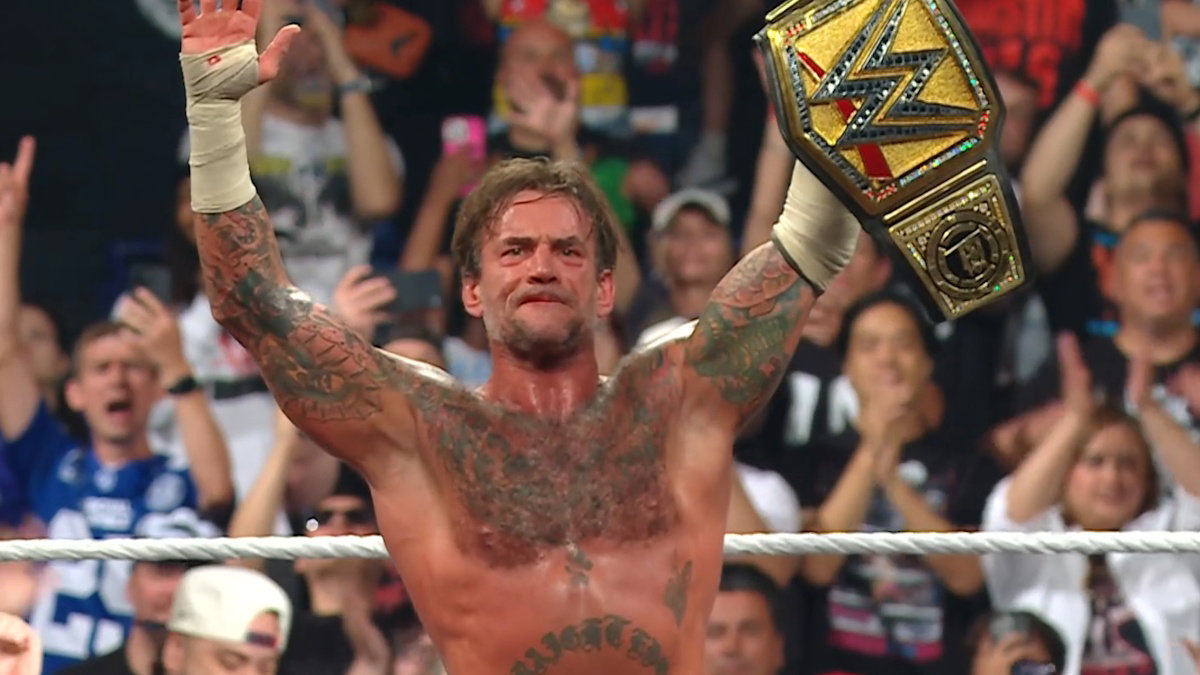
As we approach the July 13, 2026, broadcast of Monday Night Raw, the card is taking shape around a central premise: the heavy lifting is being handed to the SummerSlam contract signing. According to PWInsider reporting, the focus is squarely on solidifying the championship picture. This isn't just filler television. It is the pivot point for the second half of the year.
Contract signings are the oldest trope in the professional wrestling handbook. They work only when the tension feels earned rather than forced. With no imminent major premium live event on the horizon besides SummerSlam, the creative team is clearly positioning these segments as the primary driver for audience retention. If the execution holds, the ratings floor should remain stable.
Trajectory and roster usage
The current creative direction relies heavily on veteran stability while testing newer performers in high-stakes environments. We are seeing a distinct push toward established stars handling the microphone work, while the mid-card talent is being used to build credibility through match length and work rate. It is a classic move to ensure the casual audience stays tuned through the final hour.
However, the reliance on these formal signing segments suggests a potential lack of organic creative momentum in the secondary storylines. Relying on an office desk, a contract, and two standing wrestlers to generate heat is a risk. If the dialogue doesn't pivot toward genuine personal stakes, the segments risk feeling like bureaucratic filler. It is a transparent attempt to manufacture urgency in a period that lacks a natural story peak.
The probability of this segment hitting its mark is high, simply due to the talent involved. WWE has mastered the art of the ten-minute hype segment. The issue remains the transition between these high-profile contract signings and the actual in-ring performance. If the payoff matches don't deliver, the contract signings will be remembered as nothing more than a marketing exercise.
The internal assessment
Professional wrestling is currently in a cycle where television quarterly ratings matter more than long-term character arcs. The decision to prioritize a contract signing signals that management wants to spike interest immediately. It is a tactical play, not a strategic one. While it effectively highlights the champions, it often does little for the challengers who need sustained screen time to look like equals.
One critical observation: the creative team often struggles to keep these signings from feeling repetitive. When every major rivalry requires the exact same physical beat—the table flip, the signature move through wood, the staredown—the viewer becomes desensitized to the spectacle. We need to see variety in how these conflicts escalate.
The return on investment for these segments is usually a three percent bump in hourly viewership. It is a reliable, if uninspired, strategy. For the fans looking for complex storytelling, this week's Raw might feel like a repeat of last month's playbook. Expect the expected, but watch for how the antagonists handle the non-scripted reactions from the live crowd.
Impact and expectations
If the signing goes off without a major interference or a surprise debut, the company will have succeeded only in keeping the status quo. To truly elevate this era of the promotion, they need to do more than sign papers. They need to create a visual statement that sticks. A simple brawl is no longer enough to move the needle in a crowded media market.
The expectation for tonight is a high-octane closing segment. With the 11:00 PM hour usually reserved for the most shocking developments, the contract signing will likely set the stage for a dramatic shift on the road through August. If this lands, anticipate a SummerSlam buildup that rivals the best of the past decade. If it stalls, expect a significant shake-up in creative leadership duties regarding Monday night programming by the end of the month.
Execution remains the only variable that matters. Whether the performers can elevate the scripted lines into something that feels urgent will determine if this is a win for the creative office or just another segment that gets skipped on DVR replays tomorrow morning.
Read Next
- CM Punk is the new Undisputed champion and the SmackDown roster is shaking
- CM Punk as champion puts SmackDown in an impossible position
- CM Punk's physical shift ignores the tactical reality of his title reign
- Jeff Jarrett's take on Triple H reveals the real pressure behind the desk
- ☀️ WWE SummerSlam 2026 — Full Coverage Hub