Terry Taylor's surgery highlights the grit behind the curtain
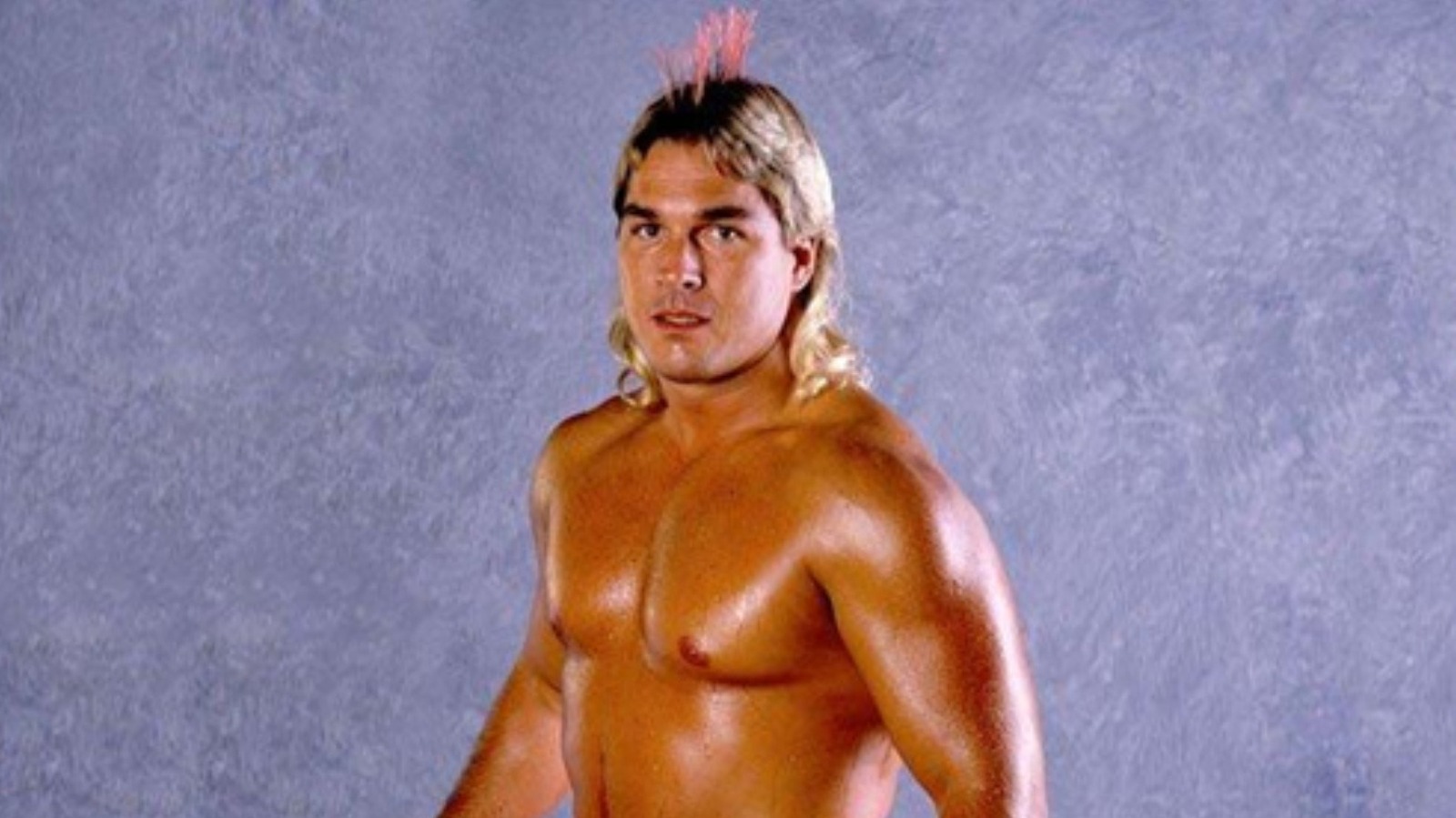
The quiet backbone of the promotion
As the footballing world turns its attention to the kickoff in Mexico City, a different, quieter reality settles over the wrestling industry. Terry Taylor, a man who has inhabited every corner of this business from the territory days to his current role at the Performance Center, is set to undergo knee surgery.
It is not a headline that dominates the feeds during a week where global sports media is fixated on 22 men chasing a ball. Yet, for those who care about the technical evolution of the sport, the absence of a coach like Taylor is a genuine friction point in the development of the next generation.
The evolution of the ring general
Taylor’s career is a study in adaptability. From his technical prowess as The Red Rooster to his transition into a backstage administrator, he represents a link to an era where ring psychology was the primary currency. Current talent relies on a foundation of training that is arguably faster and more athletic than ever, but the structural wisdom Taylor provides remains the primary metric for long-term survival.
His career stats are not measured in modern advanced analytics or high-risk spots alone. They are measured in the longevity of the talent passing through the Performance Center. When a veteran of his caliber is sidelined, the immediate impact on the daily operations of the center is profound. The mechanics of training sessions often rely on the precise, non-verbal communication that a seasoned former competitor has ingrained.
Looking past the spectacle
Wrestling often prioritizes the flash of the main event. We see the final product on television screens, typically polished, high-definition, and carefully scripted. The reality is that the actual labor happens in gyms far removed from the pyrotechnics.
Missing a lead coach is a logistical hurdle that companies rarely acknowledge in their public relations cycles. Replacing the institutional memory of someone who worked through multiple industry shifts in philosophy means that a specific set of eyes on the product is removed. The training room must now rely on other staff members to pivot, potentially changing the tempo or the focus of the drills for the weeks following the surgery.
The high cost of the industry
There is a recurring discussion about the toll wrestling takes on the body, yet we largely ignore the orthopedic reality for those teaching the craft. The knee surgery necessitated by decades of physical grind is a blunt reminder of the cumulative damage that defines a career in this sport.
It is worth noting that some observers would argue the Performance Center should be better insulated against these types of personnel gaps. Relying so heavily on a single coaching voice invites instability whenever there is a medical exit. While the transition is inevitable, the lack of depth in the coaching staff is a failure of forward-looking maintenance.
As we watch the World Cup begin, with nations testing their own squad depth, maybe it is time to turn a similar analytical eye toward the support structures in wrestling. The result of a match is predetermined, but the health of the teachers and the quality of their instruction are very real variables. We will see how the roster adjusts to his absence in the coming months.
WWE Authentic Wear Roman Reigns Bloodline T-Shirt
Acknowledge your Tribal Chief with the official Bloodline tee.
Frequently Asked Questions
What is Terry Taylor's current role in professional wrestling?
Why is Terry Taylor's upcoming surgery a concern for the Performance Center?
How does Terry Taylor influence the development of new WWE wrestlers?
What does Taylor's injury reveal about life after a pro wrestling career?
What is the primary criticism regarding the Performance Center's staffing?
More Coverage

Nikki Bella maps out final stretch as retirement clock begins ticking
an hour ago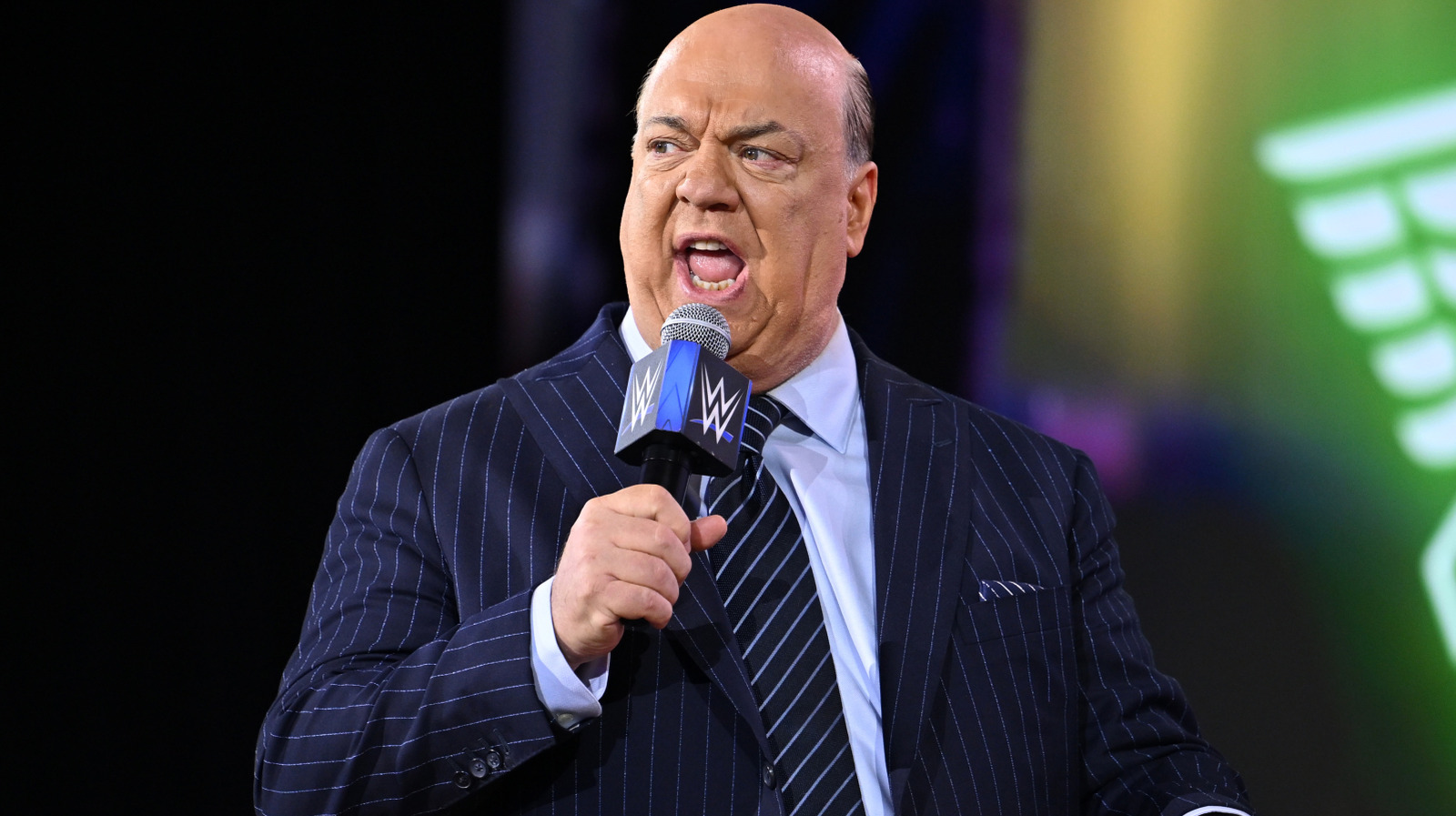
Why WWE’s multi-platform media strategy is failing the eye test
an hour ago
Nikki Bella is trolling us all and you're falling for it
an hour ago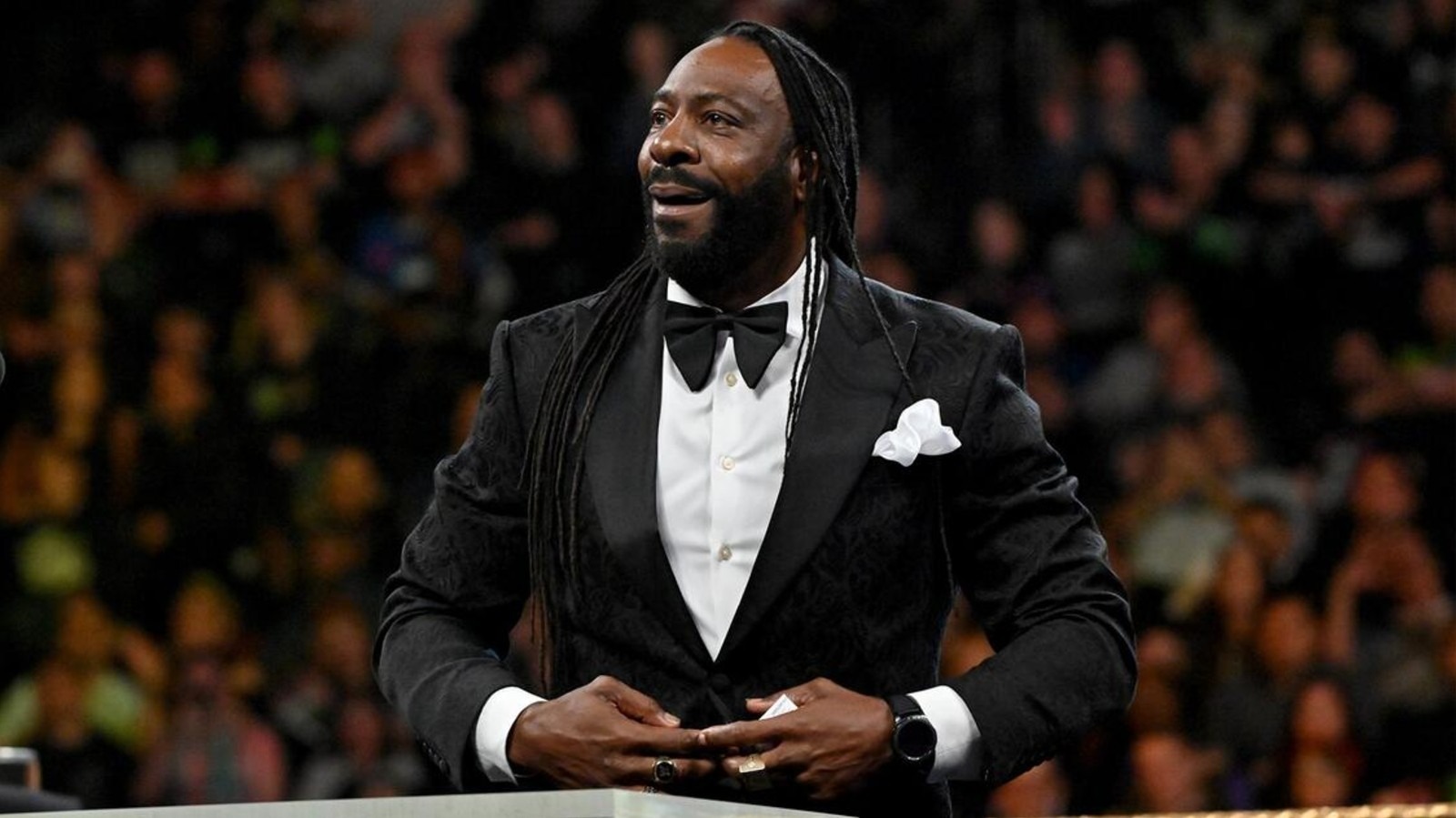
Lola Vice is officially ready to graduate from NXT
an hour ago
Top 10 Main Roster Call-Up Candidates & WWE Roster Moves Right Now
an hour ago
WWE wants $99 a year for Club WWE and fans are already calling BS
an hour agoMore Analysis

Terry Taylor's medical leave highlights the hidden attrition of the PC
1 month, 2 weeks ago
The Performance Center is becoming a revolving door for legends
4 months ago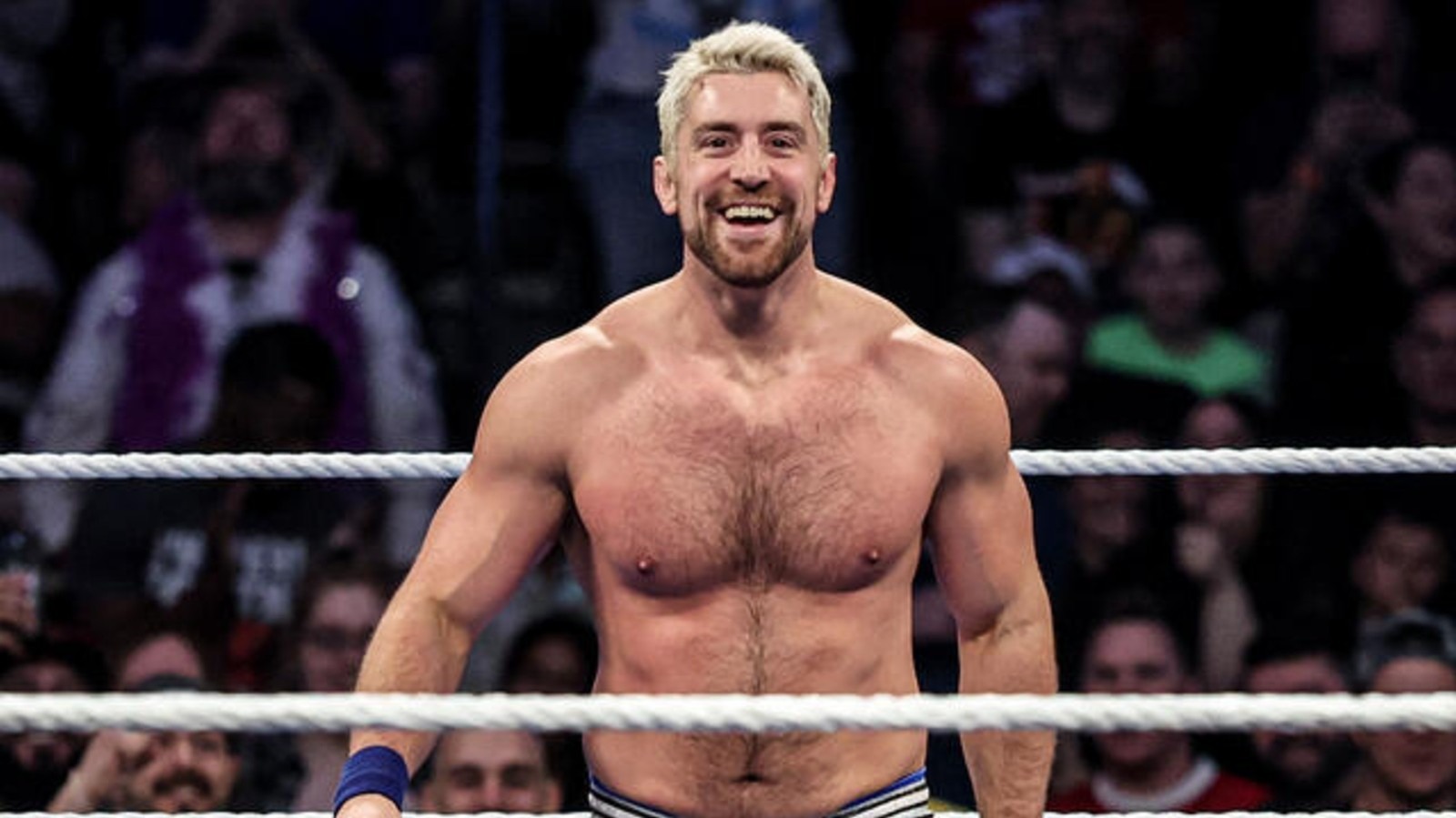
Joe Hendry’s main roster transition is a technical masterclass
1 month agoWWE Performance Center hit with a massive coaching blow
1 month, 2 weeks ago
The backstage reality of WWE's injury crisis
1 month, 4 weeks ago