Measuring the actual cost of a high-stakes weekend
Professional wrestling operations often hide physical deficits behind high-gloss production, but the recent Saturday Night’s Main Event exposed gaps in the roster's durability. The event, which drew lower ticket sales than a standard episode of Raw from March, left several key performers in precarious positions regarding their long-term health and creative trajectory.
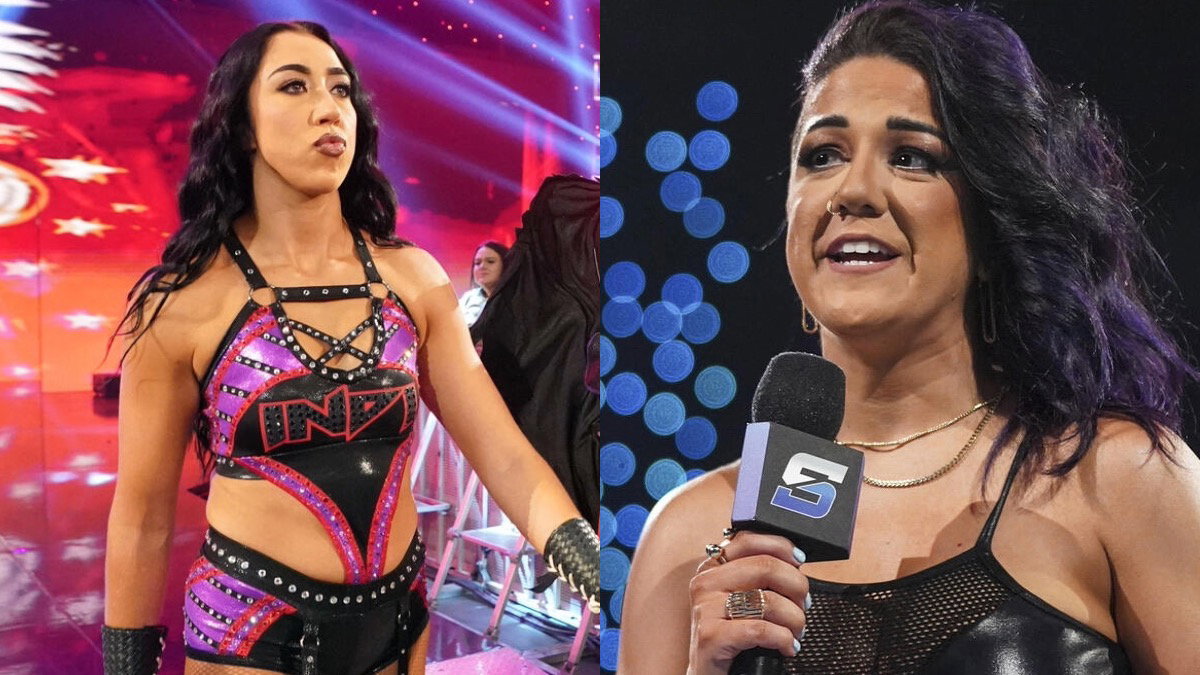
The most pressing concern involves Bayley. Following a defeat at the event, she was subjected to a sustained assault by Lyra Valkyria. Sources confirm that the sequence involved multiple high-impact spots, leaving Bayley to sell the effects of having her limbs compromised to the point of passing out. While her storyline future remains in flux, with peers like Kelani Jordan publicly calling for her to remain, the physical taxation of that match cannot be ignored.
The strategic risk of crossover segments
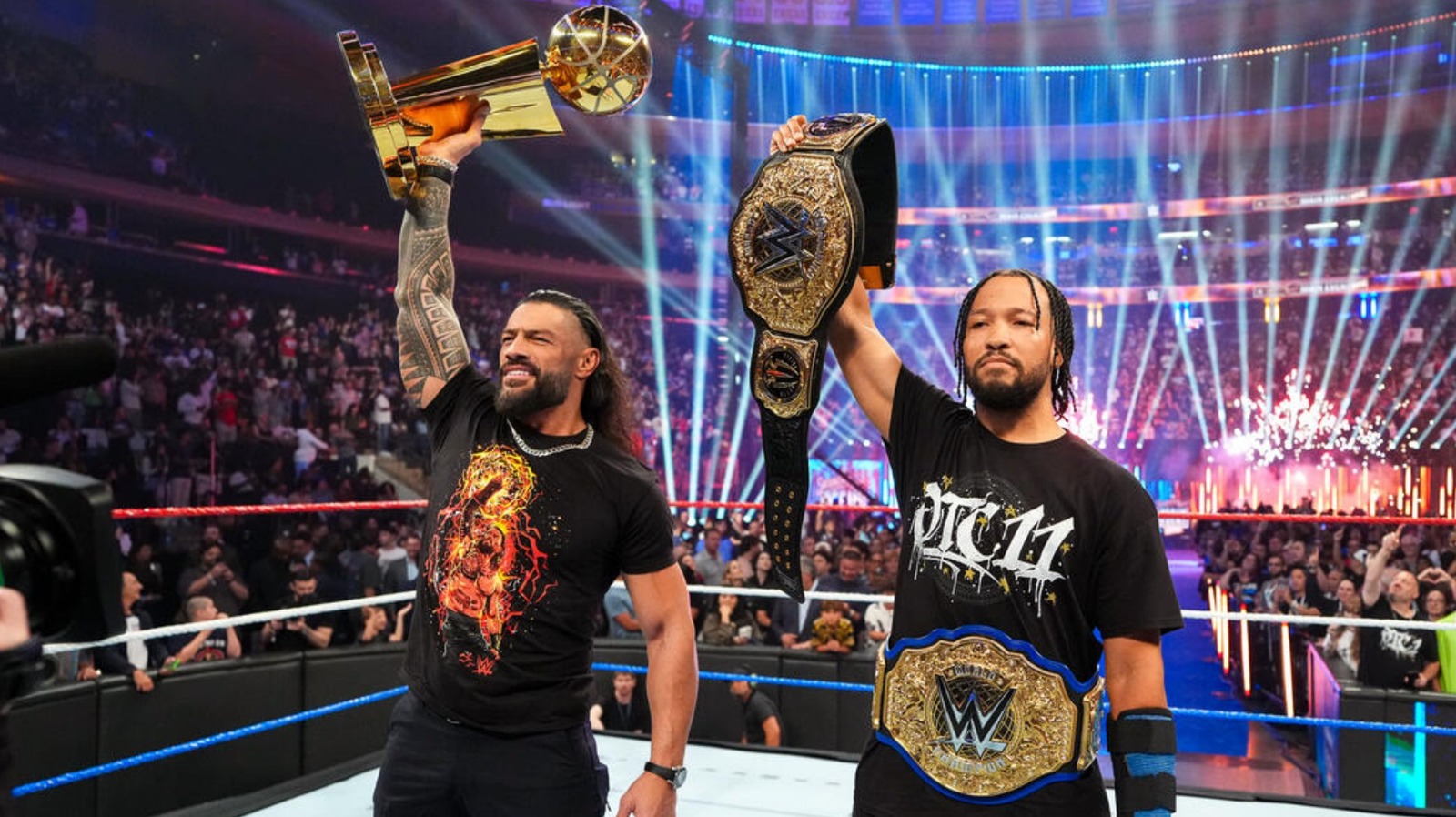
Triple H personally orchestrated the crossover between Roman Reigns and NBA star Jalen Brunson. While industry insiders view this as a play for mainstream attention, medical staff are increasingly wary of these hybrid segments. Integrating non-wrestlers into physical narratives increases the unpredictability of every collision, raising the risk factor for career-tenured stars like Reigns.
Reports suggest this NBA-WWE synergy is a one-off attempt to juice interest in a broadcast that failed to move the needle on Google search metrics compared to historical benchmarks. Forcing high-profile athletes into high-stakes spots creates an unnecessary variable for teams that are already managing heavy loads. Relying on professional athletes to pop a rating while veteran talent absorbs the wear is a short-term strategy with long-term consequences.
Analyzing the downward trajectory
Beyond individual player status, the event itself demonstrated a cooling trend in audience engagement. We are witnessing a clear divide in the product, where lower-card booking remains efficient, but the main event formula feels strained and repetitive, as noted in recent critical reviews of the SummerSlam build. When the show fails to sell out and the main event receives muted reactions, the physical toll put on athletes like Bayley feels even more gratuitous.
The internal atmosphere is reportedly one of frustration. Having talent push through injuries or high-risk segments for events that underperform is the fastest way to lose buy-in from the locker room. If current plans for 2027 involve aggressive expansion into new markets, the company must manage its assets with more precision than displayed this past weekend.
Comparison to historical output
History suggests that pushing for celebrity integration without a clear narrative payoff often leads to diminishing returns rather than organic growth. Previous attempts at these crossovers often saw main-roster talent sustaining soft-tissue damage that pulled them from regional tours for 3 to 6 weeks. Managing the current active roster requires balancing these promotional appearances with the reality that every minute in the ring carries a cost.
- Ticket Sales: Underperformed vs. Q1 weekly programming.
- Creative Status: High-profile losses leading to potential character departures.
- Physical Risk: Elevated due to non-wrestler involvement in main-event segments.
The industry is watching what happens in Philadelphia this weekend as the NWA presents its 78th Anniversary show at the 2300 Arena. While the scales differ, the need to maintain a productive roster while dealing with talent departures remains consistent across the sport, from TNA to WWE.