The friction between independent stars and the WWE main event
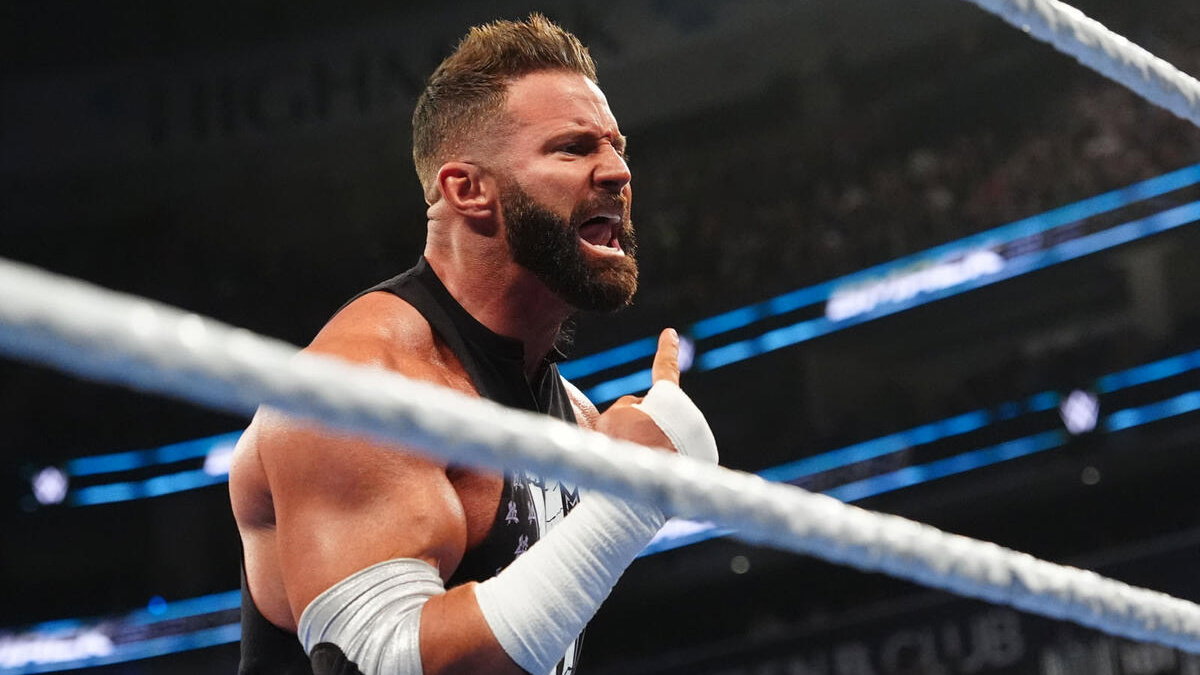
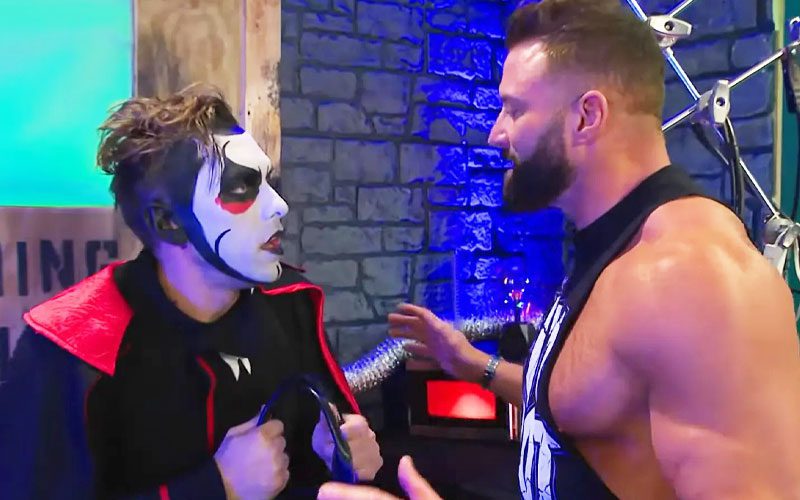
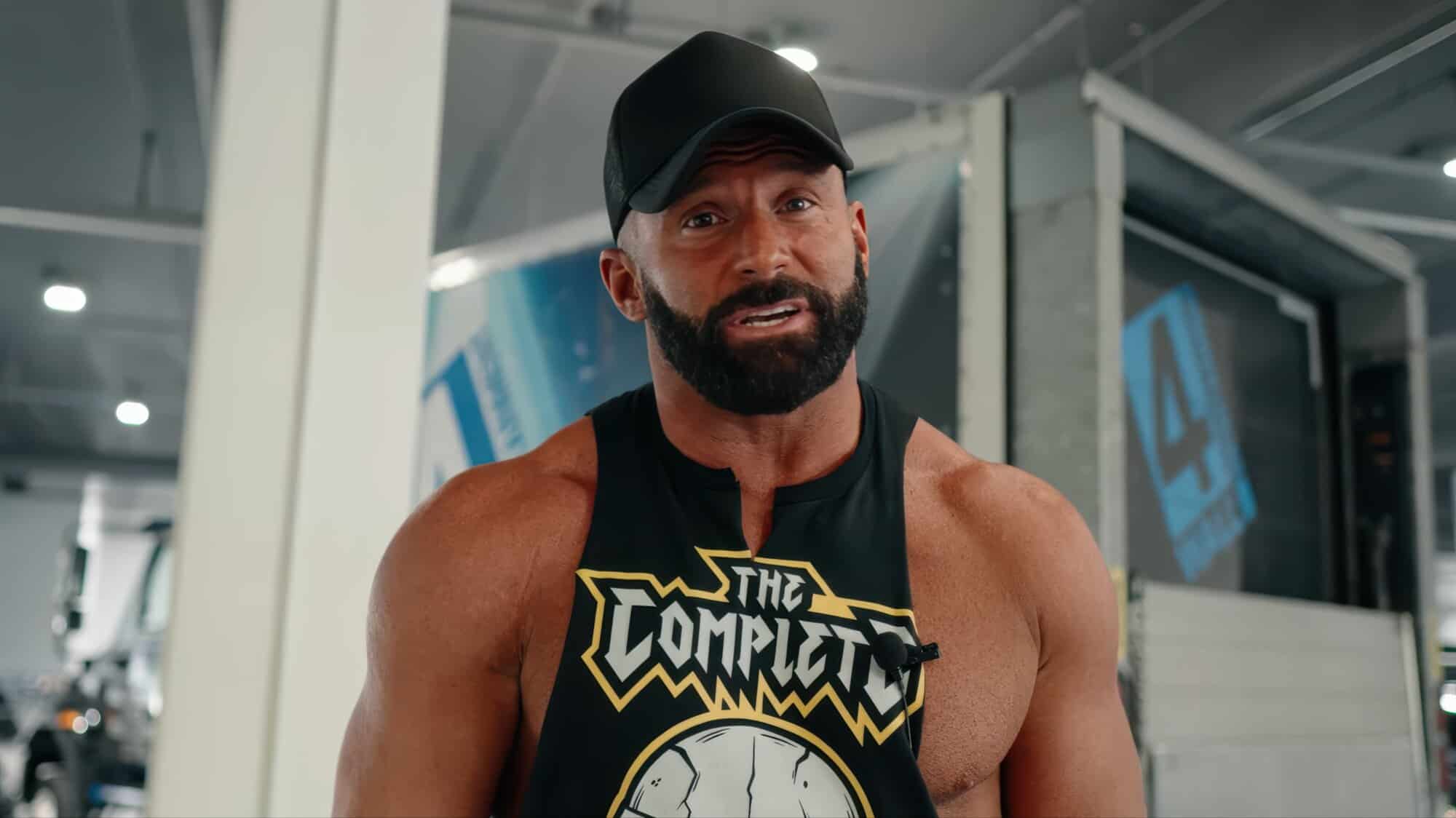
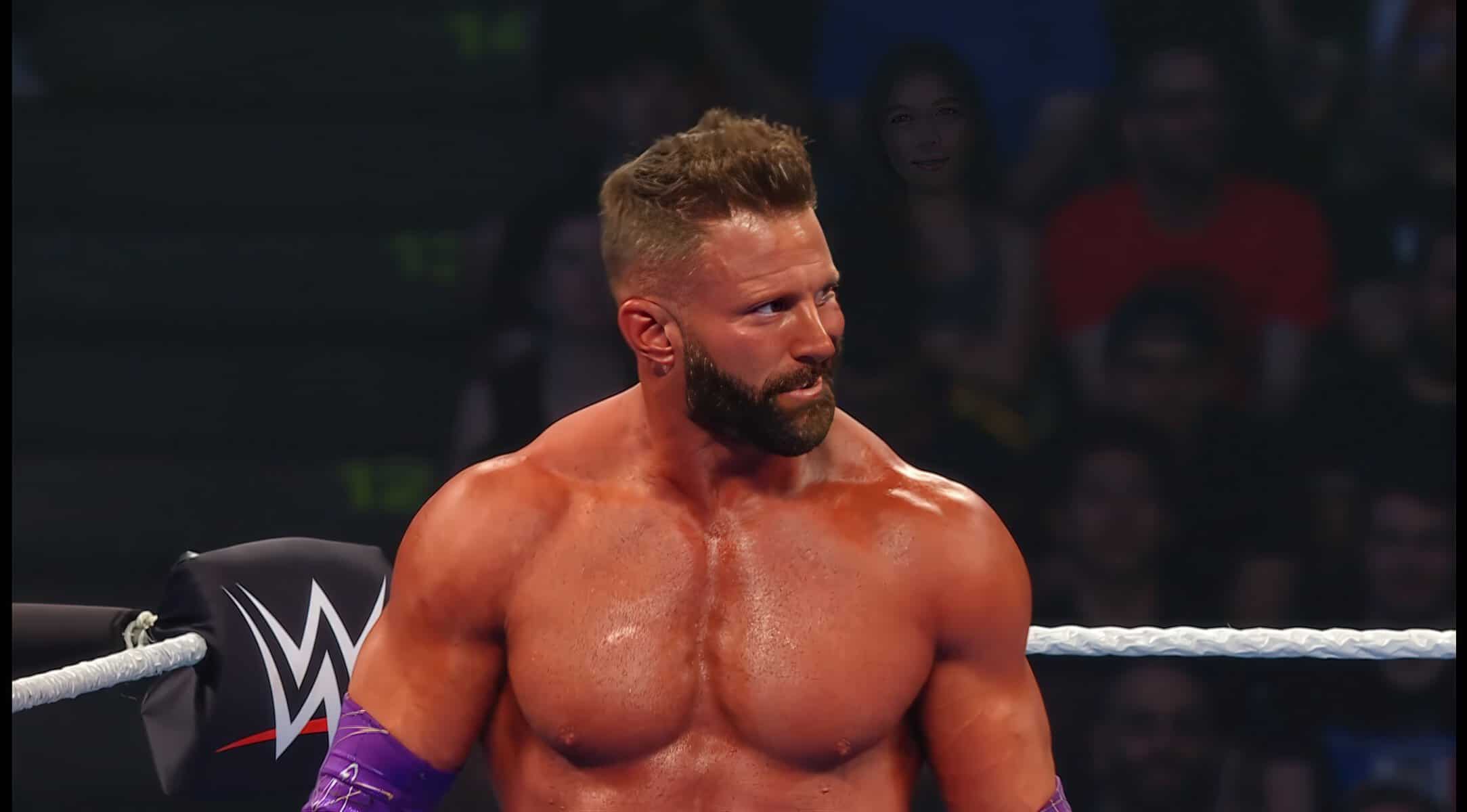
Matt Cardona is publicly addressing the gap between his independent career and the current WWE hierarchy. In recent comments, the former Zack Ryder noted that statements made by Cody Rhodes and Kevin Owens regarding his standing in the professional wrestling world have hit home. Cardona has spent the last several years positioning himself as the premier independent wrestler, yet the acknowledgment from major stars remains cold.
This isn't merely about hurt feelings. It highlights a recurring tension in the modern industry where independent success does not automatically transfer to boardroom respect. Cardona feels the sting of being cast as an outsider despite his proven ability to move merchandise and generate buzz. When stars like Rhodes and Owens speak, they are speaking from the position of the current industry leaders, which creates a natural friction with someone still aiming for the top shelf of the card.
The strategic disconnect
Cardona’s transition from his WWE departure to his current status has been calculated. He rebranded himself, leaning into the deathmatch scene and high-volume independent bookings. However, according to reports from WrestlingNews.co, he remains sensitive to how his trajectory is viewed by those currently defining the product. The issue is whether his self-made success is viewed as a separate category rather than a legitimate claim to a top-tier roster spot.
The strategic implication here is clear: influence in the independent circuit does not always equate to leverage when negotiating for a marquee return. Competitors who view Cardona as a peer in business model are often the ones tasked with evaluating him as a talent. This creates a circular logic where his independent identity makes him profitable but potentially makes his reintegration into a WWE environment more difficult to facilitate.
Historical context of departures
Returning to a company after a long independent run is hardly a new narrative. Drew McIntyre blazed the trail by transforming his physique and his character on the independent circuit before returning to become a multi-time world champion. Cardona is looking for a similar redemption arc, yet he faces a locker room that has shifted in personnel and philosophy since his 2020 release.
The lack of a warm welcome from some current top stars suggests that the locker room culture is more insular than it once was. Wrestlers in high-profile positions are protecting their spots. When a talent like Cardona signals a desire to return, those in the inner circle often react with skepticism rather than open arms. This is the brutal side of industry retention and star power preservation.
Critique of the current status
Cardona’s frustration is understandable but perhaps misses the mark of how promotions operate in 2026. The promotion of a brand depends on established stars who align with the current corporate trajectory. If Cardona’s public commentary is viewed as needy or reactionary, it only serves to weaken his negotiating position. He would be better served focusing on his internal metrics of success rather than validating his career through the opinions of current roster members.
The optics of this situation aren't ideal for his long-term prospects. Wrestling is a business that rewards those who create undeniable market demand. Focusing on past comments from peers detracts from the persona of the 'Deathmatch King' that he has worked years to build. If he wants back in, he needs to let his metrics and his drawing power speak louder than his social media reactions to peers.
The path forward revolves around patience and the refusal to be phased by outside criticism. Every veteran in wrestling has faced a period of being overlooked. Whether Cardona can translate his cult following into a formal deal is the major question of his next chapter. The industry moves fast, leaving behind any talent that prioritizes noise over clear, strategic execution.