The social media toll on professional wrestling
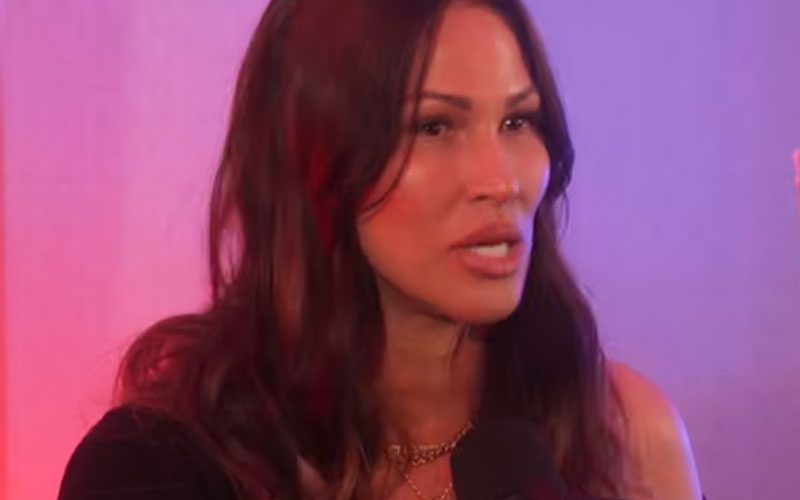
Behind the choreographed spots and high-flying maneuvers, a different kind of injury is manifesting within the industry. It is not a torn ACL or a fractured orbital bone, but a cognitive fatigue stemming from the constant demand for accessibility. Karen Jarrett has recently gone on record noting that social media is systematically eroding the ability for audiences to suspend disbelief. When performers are visible 24/7, the barrier between television persona and reality thins to a breaking point.
This constant connectivity creates a specific technical problem for bookers. If a performer is actively breaking kayfabe on their personal channels while simultaneously pushing an intense television rivalry, the emotional stakes of the match deflate. It is the modern equivalent of an actor tweeting their lunch order from behind the scenes of a high-tension drama. The audience is no longer watching a character; they are watching an employee.
Reflecting on the industry's historical pivot
Historically, professional wrestling functioned best when the veil remained closed. From the territorial eras through the mid-90s, the mystery surrounding a performer was a core asset. When Kevin Nash appears at events like the Fresno Grizzlies' Pro Wrestling Night, he brings a legacy established in an era where fan interaction was curated and limited. The gap between the man and the gimmick was rarely bridged by a smartphone.
Today, companies struggle to control these narratives. When a star is injured or undergoing legitimate medical assessment, the vacuum of information on official feeds is instantly filled by the performer's personal accounts. This creates a disjointed experience for the viewer. Instead of a linear story, the product becomes a fragmented collection of posts, retweets, and live-streamed opinions that often contradict the established canon.
The strategic failure of overexposure
Marketing and media appearances are supposed to build anticipation, not detract from it. Look at Jimmy Hart making the rounds in Cleveland or Lita being booked for the Fightin' Phils wrestling night. These are savvy promotional tactics. However, they rely on the audience still viewing these figures as larger-than-life entities. When the business of wrestling is laid bare, the magic that sustains interest begins to wane.
Critics often point to this oversaturation as the reason why modern wrestling rosters struggle to create true icons at the level of the 1980s or 90s. The audience is too well-informed about the logistics. When you see the strings, you stop caring about the performance. The failure here lies in the refusal of modern production teams to enforce better digital boundaries for their talent.
The Rock and the limits of crossover fame
The tension between traditional wrestling and broader entertainment is best illustrated by the near-miss of The Rock heading to Broadway. Plans for such a move highlight the massive, often competing, pulls on a major star's time and brand. As documented in recent reports regarding his potential theater run, the sheer scale of his popularity often necessitates a distancing from his wrestling roots. This creates a natural tension for fans who feel entitled to constant updates.
The business reality remains: wrestling is a performance art built on deception. When the performers themselves become the agents of truth, they systematically weaken their own product. This is a self-inflicted injury that no amount of medical care can fix. The industry needs to pivot toward stricter internal guidelines on social media usage to preserve the sanctity of the match outcomes.
Ultimately, if fans are constantly reminded that the conflict is staged through the lens of a wrestler's casual social media presence, the emotional investment required for high-stakes matches will continue to decline. The industry thrives on myth. Replacing that myth with a constant stream of status updates is a losing trade-off that rewards volume over impact.