The integrity crisis in modern wrestling discourse
Digital manipulation in the wrestling space
The wrestling industry has always thrived on perception. Whether it is the classic territory-era kayfabe or the modern social media landscape, the presentation of success remains the primary currency. However, the recent trend of ballooning influence through artificial means has become impossible to ignore.
Reports published by outlets such as PWInsider highlight a troubling shift where content creators and even fringe industry personalities look to third-party services to inflate their reach. This is not merely a vanity metric; it is a direct attempt to deceive talent bookers, sponsors, and local promoters.
The math behind the deception
When an independent wrestler claims a massive social media following to justify their high booking fee, the lack of underlying engagement often gives the game away. A performer having 150,000 followers but averaging 12 likes per mention on a platform like Twitch or X is a red flag that most experienced bookers now recognize immediately.
The cost of this digital inflation is surprisingly low, creating a race to the bottom for credibility. If a mid-card performer is buying 10,000 bots for a nominal fee, they are essentially paying to bury their own long-term market value. Real promoters look at show attendance, merchandise movement, and recurring ticket sales, not dummy accounts generated in a server farm.
The danger of vanity metrics
Booking a talent based on social media reach is a tactic that rarely translates to the box office. We have seen this play out in regional promotions throughout the Midwest and the Northeast. A performer arrives with a supposed internet backing, yet the venue remains sparse on Friday night.
This disconnect damages the credibility of the entire circuit. When new talent tries to break in, they are often told that their numbers are not high enough, even if they are drawing consistent pay-per-view buy rates or live crowds. The reliance on these skewed datasets leaves little room for organic growth.
Refining the booking process
Professional wrestling needs to return to tangible performance metrics. The industry would benefit from a shift back to scouting based on in-ring work rate, microphone proficiency, and local draw power. Focusing on legitimate metrics remains the only way to ensure the long-term health of independent circuits.
The reliance on artificial vanity will eventually collapse under its own weight. We have seen promotions cycle through talent that promised the world on stage but delivered empty seats in the building. A talent who draws a loyal 500 fans in a local hall is vastly superior to a digital phantom with 100,000 bought accounts.
Ultimately, the industry must demand transparency. If someone advertises a massive digital presence, show the analytics. If they cannot provide data that correlates followers to actual interest, the investment is wasted. Success in the ring should be earned, not installed.
McDavid Knee Brace with Stays Support for Wrestling and Contact Sports
Pro-level joint support for when you're hitting the amateur mats or the gym.
Frequently Asked Questions
How do promoters detect fake social media followers?
Why is artificial social media inflation harmful to wrestling?
What metrics should wrestling promoters prioritize over social media?
What is the impact of vanity metrics on independent promotions?
How can performers prove their digital influence is real?
More Coverage
WWE's questionable memorabilia strategy hits a new low
4 hours ago
Kendall Gray's Shades of Gray finisher is either genius or a complete mess
5 hours ago
WWE’s weird obsession with trademarking random names continues
7 hours ago
Tony Schiavone’s blunt realism hits harder than any wrestling eulogy
9 hours ago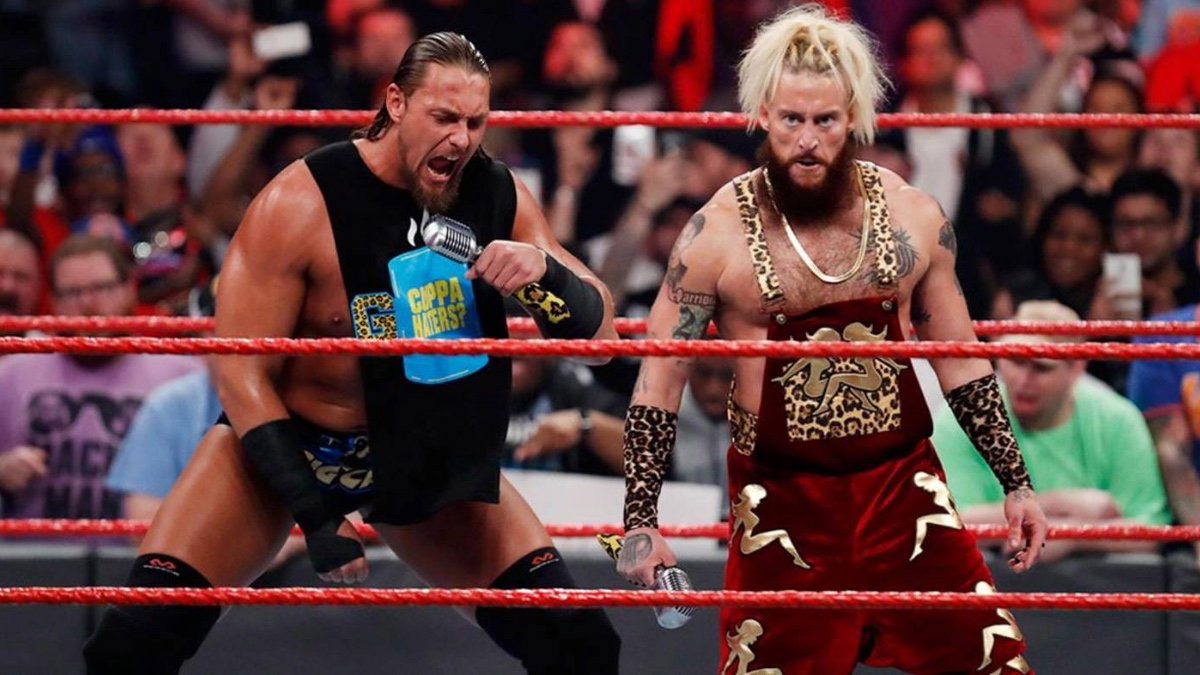
Why a Big Cass and Enzo reunion would be a massive mistake
11 hours ago
Top 10: Iconic Wrestling Moments That Defined Expectations
11 hours agoMore Analysis
AEW's survival of the fittest qualifiers were a chaotic mess
2 hours ago
The inherent risks of WWE booking and long-term roster health
3 hours agoWhy cricket betting markets are moving away from match results
3 hours ago
Could Greg Hamilton return to the WWE ring-announcing circuit?
3 hours ago
Top 10: The Most Defining WWE Moments of the Triple H Era
3 hours ago