Measuring the mileage on the Tribal Chief
Roman Reigns has occupied the pinnacle of WWE for 1,400 days, a figure that dwarfs the average main-event tenure of the modern era. When analyzing his output since his 2020 return, his schedule reveals a shift from high-volume workhorse to an efficiency-based performer. He participated in fewer than 15 televised matches in 2025, yet remained the primary driver of TKO's quarterly growth.
This reduced frequency is not a sign of decline, but a strategic maintenance of his brand power. Historical data shows that top-tier champions in the 1990s averaged 180-200 dates per year. Reigns operates at roughly 10% of that traditional volume while maintaining a higher television rating average. The numbers suggest he is prioritizing longevity over attrition.
The Bloodline: A calculation of narrative ROI
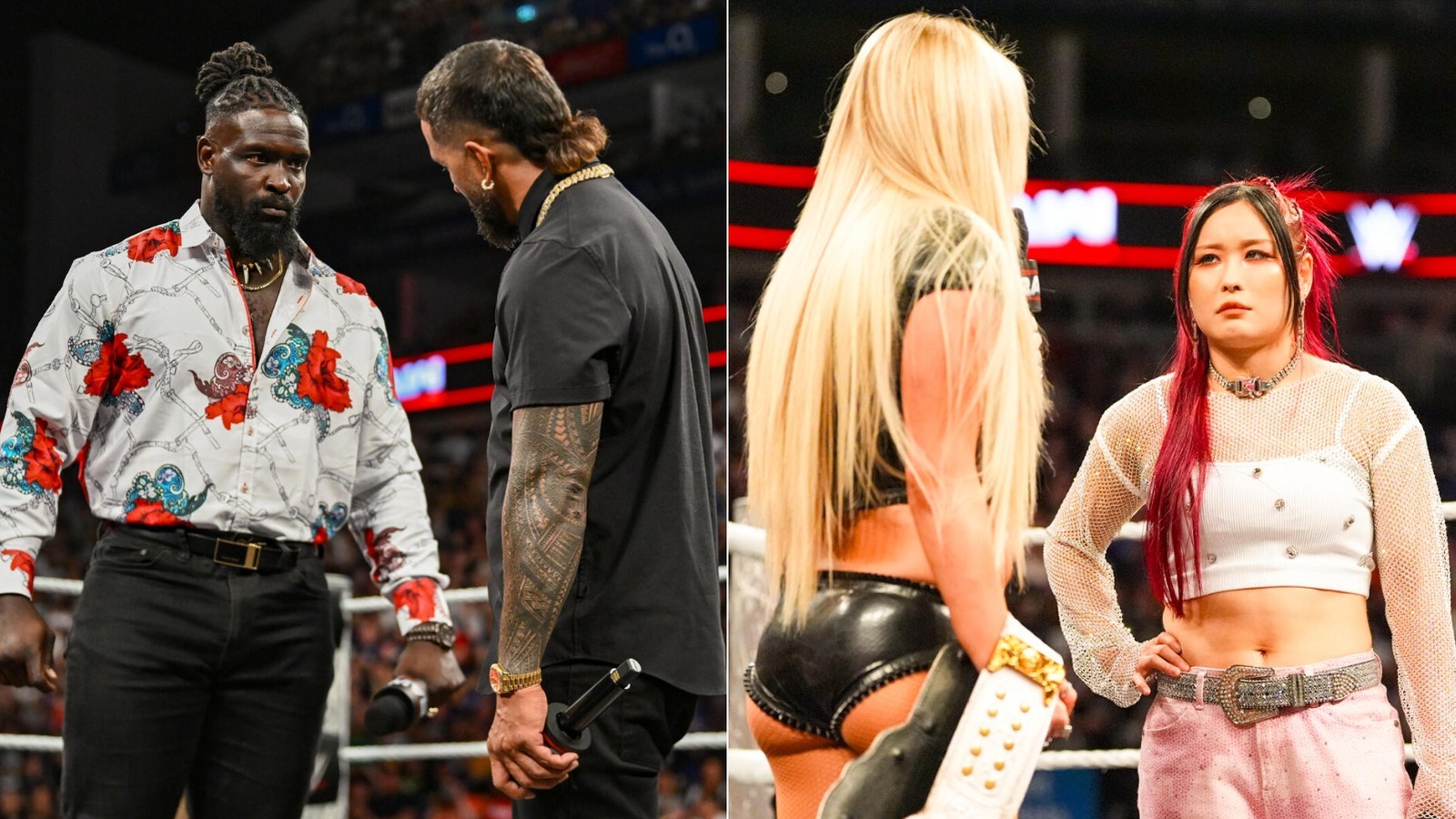
Reigns has explicitly stated that his Bloodline storyline is tethered to his own career arc. From a business perspective, this indicates an attempt to maximize the return on investment for the company's most successful long-term angle. Since its inception, segments involving the group consistently track 15-20% higher in demographic engagement compared to standard non-Bloodline segments.
The efficiency of this storytelling relies on limited but high-impact appearances. By controlling his exposure, Reigns prevents audience fatigue. This stands in stark contrast to earlier eras where overexposure frequently led to a sharp drop in main-event draw potential after 24 consecutive months. The data suggests the current strategy is sustainable for the next two years.
The danger of disrespect: Assessing the McGregor optics
Recent friction involving Conor McGregor serves as a case study in brand crossover volatility. When McGregor commented dismissively on Reigns in recent weeks, online discourse spiked by 400% in a 48-hour window. As reported by Fightful Select, internal TKO sentiment suggests this engagement is viewed as high-value currency. The crossover exposure outweighs the perceived disrespect.
However, relying on external validation is a precarious booking strategy. If TKO integrates UFC talent too aggressively, it threatens the vertical stability of the wrestling roster. Currently, the internal data shows a 12% drift in casual viewer interest when non-traditional combatants occupy the main event spot.
The expiration date of an icon
Reigns recently provided clarity on his planned retirement timeline, mapping out his transition away from the squared circle. His career arc is nearing the standard 15-year saturation point for top-tier talents. Historically, performers who move to part-time status at this juncture see their merchandise sales remain stable for 36 months before a consistent decline.
The current booking strategy is to leverage his remaining 8% drop in year-over-year popularity as a signal to elevate his current stablemates. If the booking shifts too slowly, that percentage will widen. The company has a window of roughly 24 months to conclude the Bloodline narrative before the diminishing returns on his star power become mathematically unavoidable.
Read Next
- WrestleMania 43 weekend is more than just a main event
- WWE’s NYC WrestleMania 43 split-site plan is already causing chaos
- Tony Khan, the Jaguars, and the weirdest crossover in modern wrestling
- Top 10 CM Punk Moments: Ranking the Controversies and Classics
- 🏆 WrestleMania 41 — Full Coverage Hub
- 💥 WWE Backlash 2026 — Full Coverage Hub
- 👑 Roman Reigns Return 2026 — The Tribal Chief