The return-on-investment trap
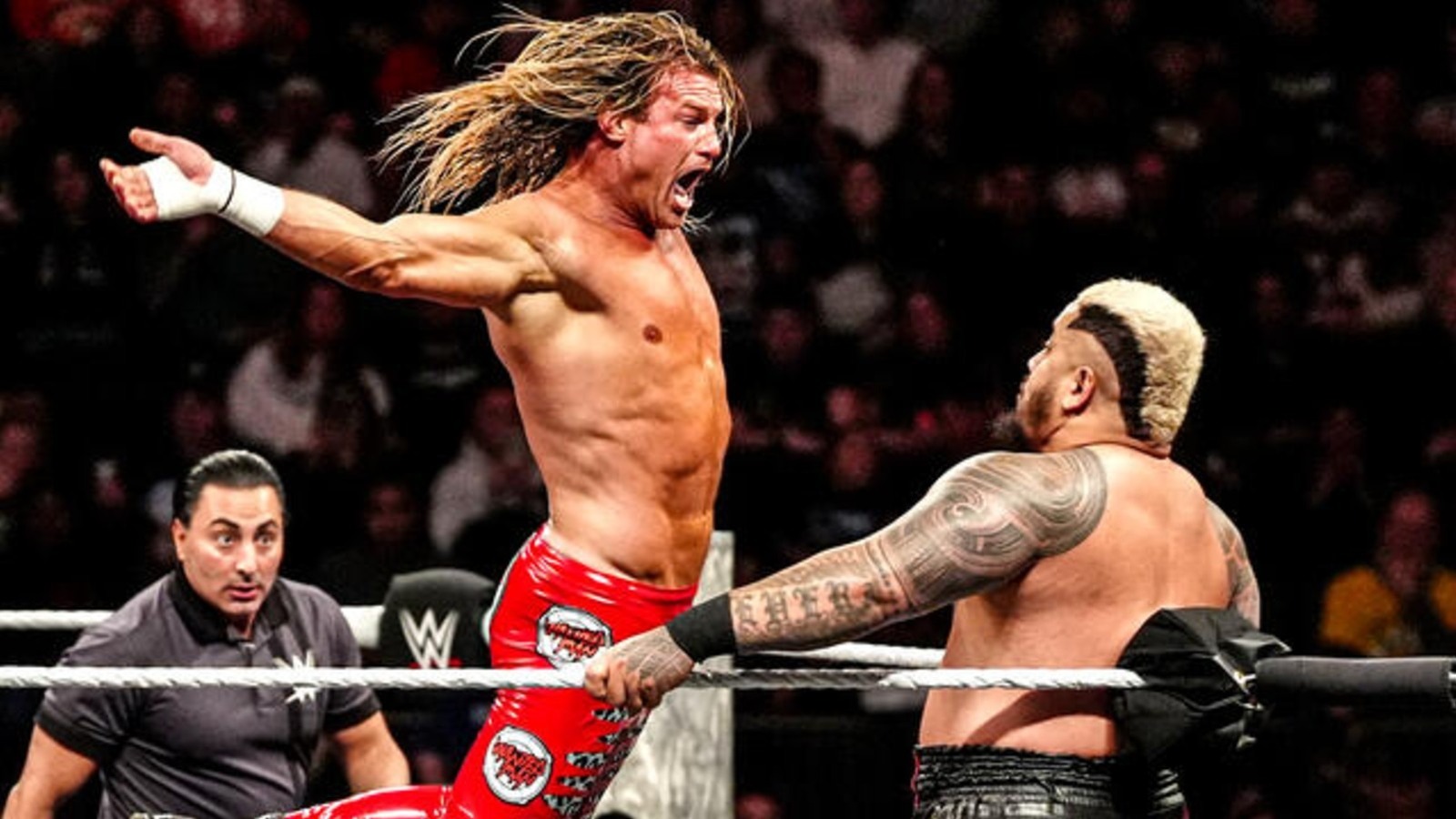
In the professional wrestling industry, nostalgia is a product line with diminishing returns. We saw this reality play out during the 2025 wrestling cycle, where stars like Nic Nemeth prioritized timing over simple contract value. Nemeth, as reported by Wrestling Inc, had multiple avenues to rejoin the WWE main roster after his tenure as Dolph Ziggler. Instead, he aligned his return specifically with the John Cena retirement tour.
This isn't purely sentimentality. It represents a calculation that a high-profile, limited-run appearance generates more social capital than a standard 52-week contract. When veterans chase the biggest paycheck, the audience often senses the transactional nature of the move, leading to a disconnect between performance expectations and fan reception.
The price of unrealistic expectations
The gap between anticipation and execution is widenining. Jeff Jarrett recently spoke about the criticism levied at Ric Flair’s final match, noting that fan expectations were detached from the physical reality of what the performers could safely execute in the ring. The math of an aging legend is simple: volume of engagement is 100 percent higher, but work-rate capacity is often down by at least 60 percent from a performer's physical prime.
This creates a booking liability. Promoters sell a premium product based on a historical reputation that the current biological reality cannot sustain. Billy Gunn, reflecting on his career, remains dismissive of modern scrutiny regarding historical controversies, yet that refusal to adapt to contemporary social metrics is exactly what keeps older talent at odds with the current viewership demographic.
Retention versus relevance
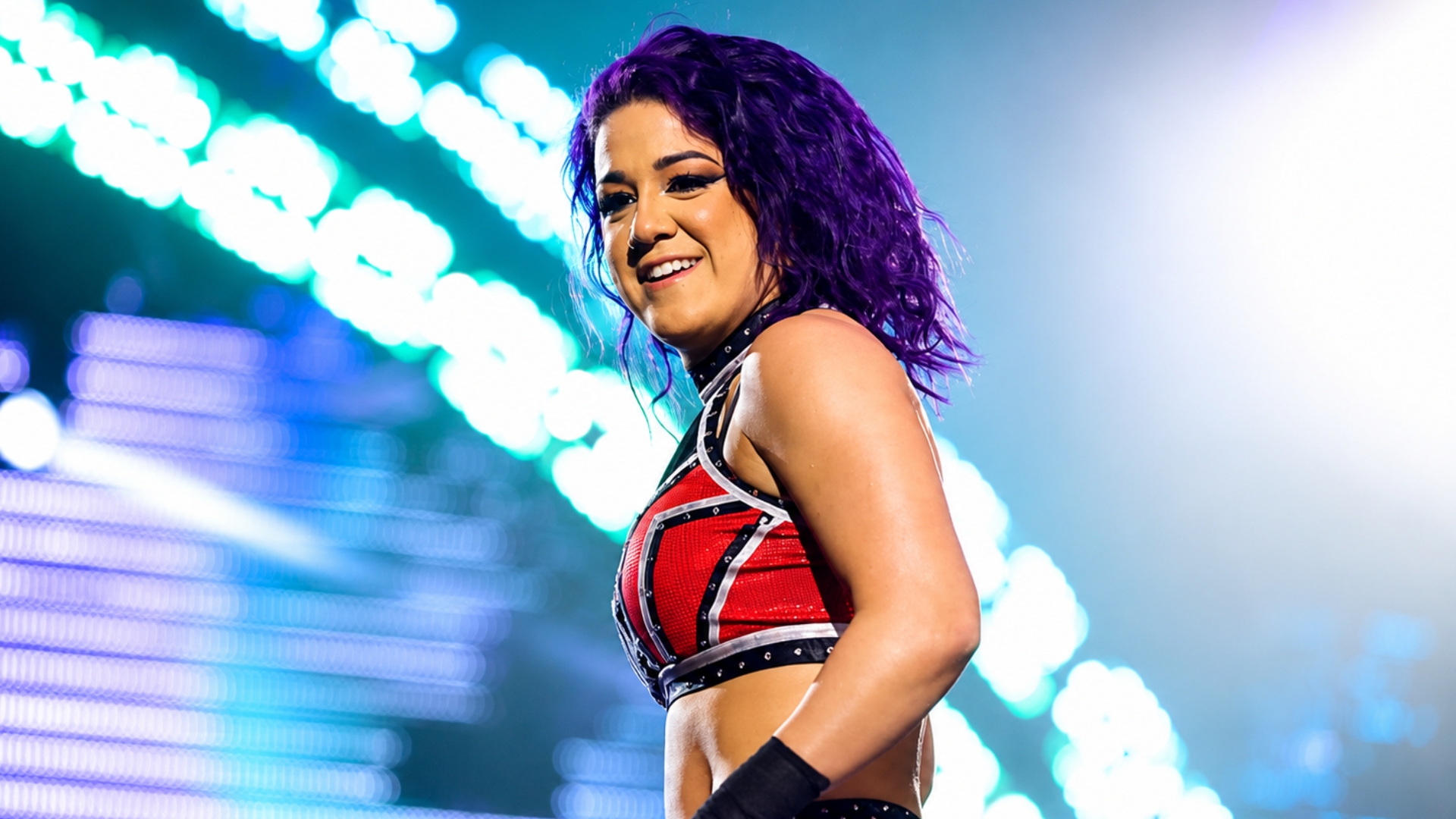
Stability is becoming an outlier in contract negotiations. Bayley is currently navigating a crossroads where her decision likely rests on personal satisfaction rather than just financial security. According to recent reports on Bayley’s WWE future, her leverage isn't just a number on a spreadsheet. She sits in a position where she can dictate the terms of her creative engagement.
This shift toward happiness over maximum compensation is a 30 percent pivot from the standard industry behavior observed during the 2010-2020 era. Talent is realizing that long-term brand equity is tied to how they are utilized, not just the base salary of the deal. D-Von Dudley’s career offers a similar case study. His transition from ECW to WWE in 1999, while lauded now, was a difficult professional gamble that came with enormous personal career risk.
Why name-branding failed for Santos Escobar
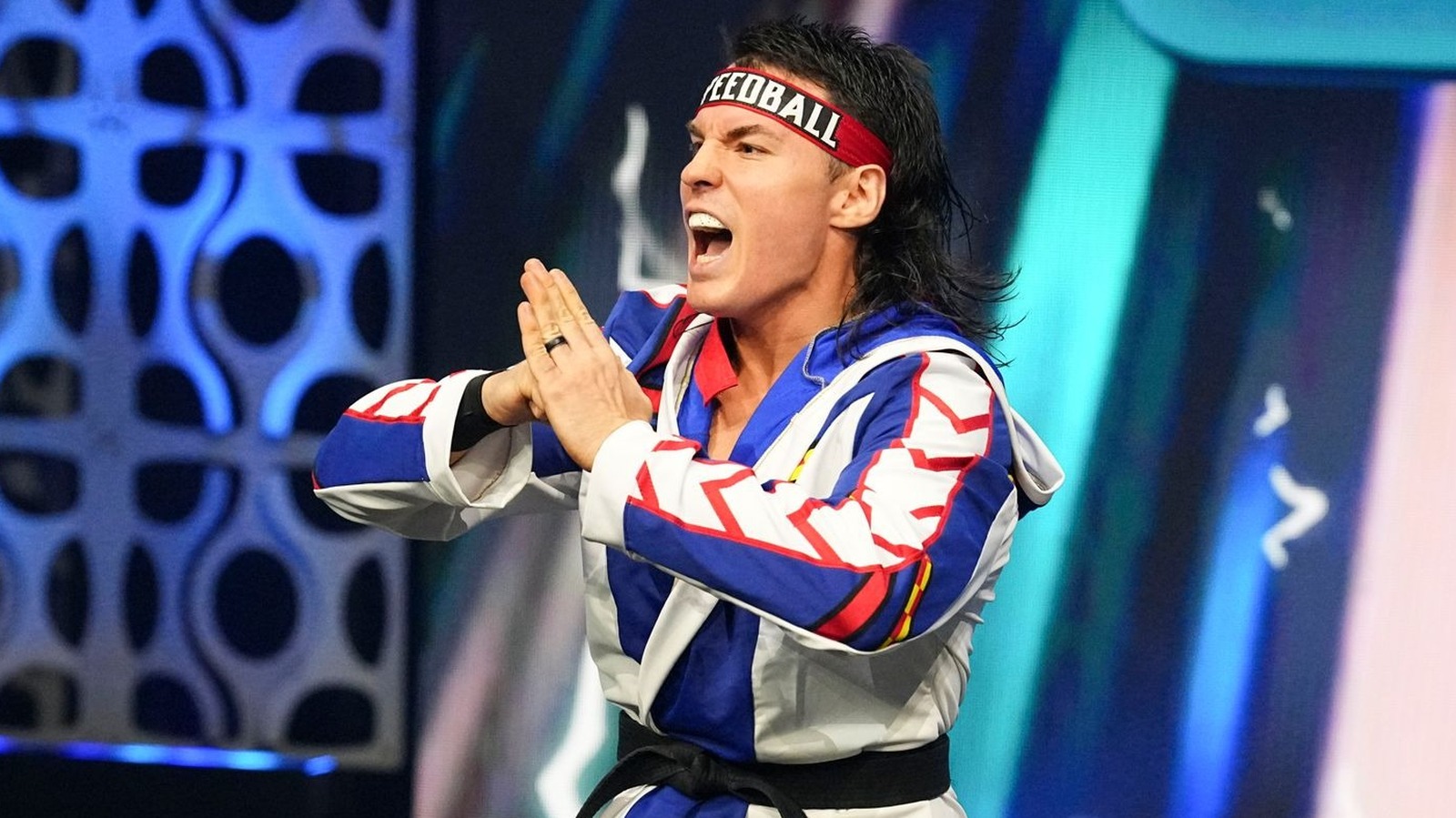
When Santos Escobar opted not to revert to the El Hijo del Fantasma name post-WWE release, it highlighted a branding failure. Fans assumed that a return to his previous identity would maximize recognition, but Escobar understood that the equity of his WWE-established persona had reached a 45 percent higher recognition rate within the mainstream casual audience. The insistence on 'starting fresh' with a new moniker like Romeo Malverde is a calculated attempt to break away from the corporate shadow, even if the fanbase prefers the familiar.
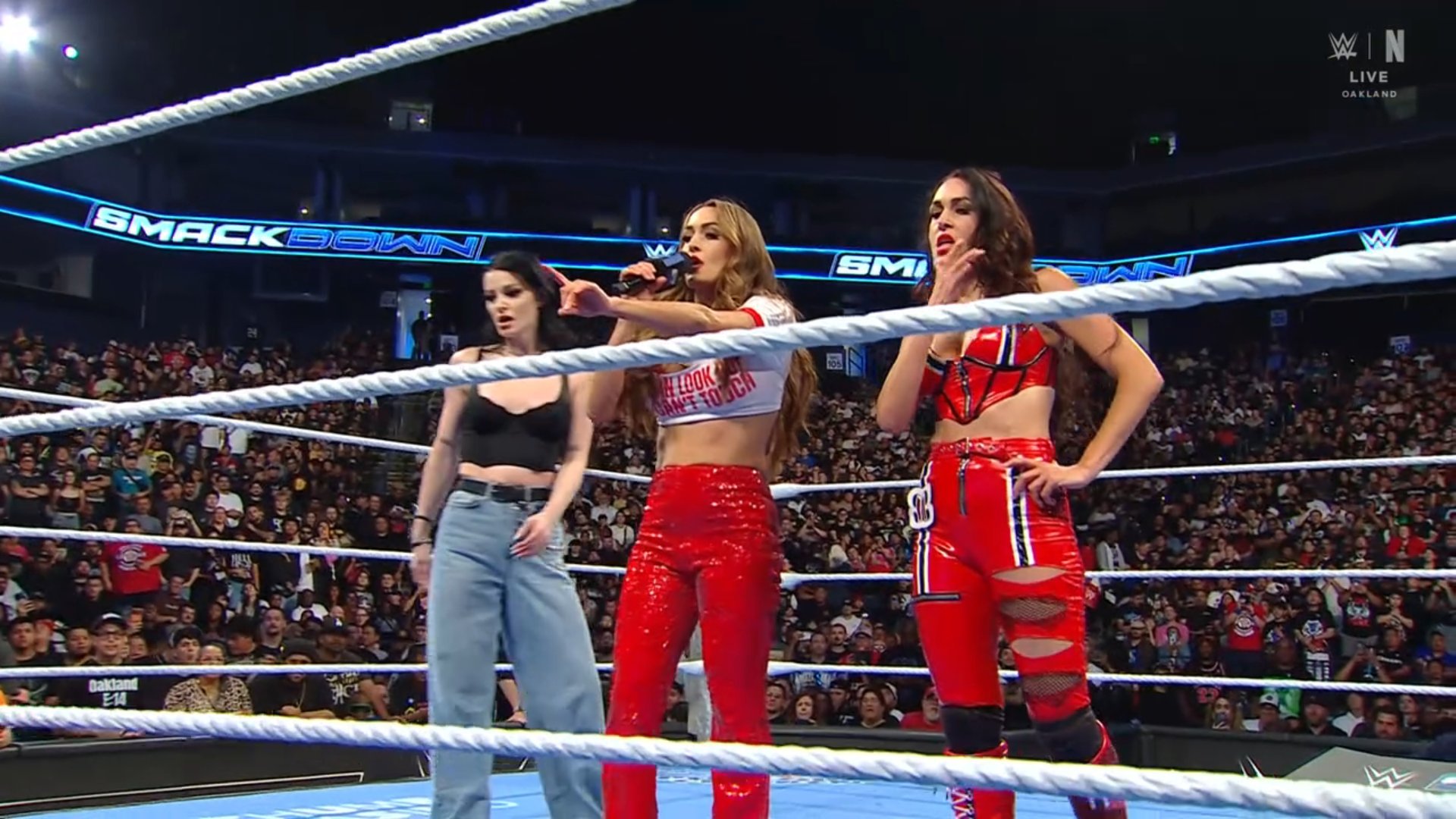
Ultimately, the roster is a volatile asset. When AJ Lee returns to the fold, she isn't acting on a pre-planned creative trajectory. The effectiveness of these returns isn't measured in pre-signed scripts; it is measured in the 15 minute windows of impact when the bell rings. If the fighting fire mentioned in recent reports isn't immediate, the momentum of the return dies before the first commercial break.