Measuring individual brand impact through entrance spectacle
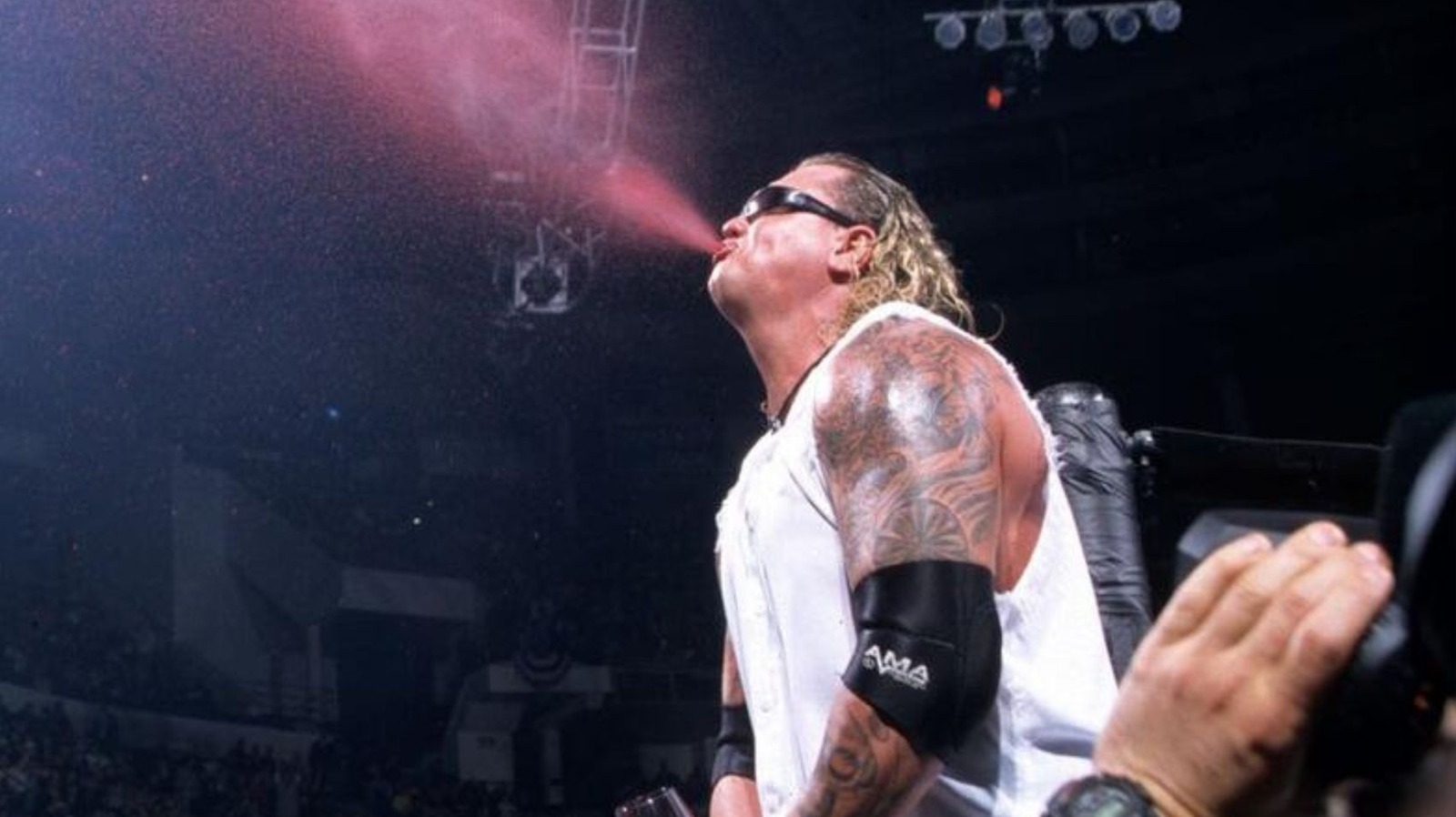
In professional wrestling, the conversion rate of a static character identity into a long-term commercial asset remains a difficult metric to calculate. Consider the career path of Gangrel. His tenure in the late 1990s focused on a 30-second entrance sequence, a pyrotechnic display involving a flame-engulfed goblet and the proprietary theatrical blood spray. The cost-benefit analysis of such a production is skewed heavily toward visual retention rather than pure athletic efficiency.
The spatial requirements of blood-based theater
When analyzing the logistics of the Madison Square Garden incident, one must account for the fluid dynamics of a high-pressure spray system. Gangrel reportedly soaked attendees in the front row, impacting spectators within a 15-foot radius of the ring entrance. This spatial disruption is a rare variable where the character exceeded the boundaries of the squared circle.
For context, the average professional wrestling match occupies a fixed space of 20-by-20 feet. By extending the performance impact into the press row, the entrance ceased to be a pre-match display and became an environmental hazard. The cleanup protocol for such events, while rarely disclosed, adds an operational overhead that modern production teams strictly avoid.
The contrast between high-risk entrances and production safety
Compare this to modern WWE standards, where pyrotechnics undergo rigorous testing to ensure a 99.8 percent safety rate for spectators. Staging a production involving synthetic fluids in proximity to high-value guests like Donald Trump represents a total defiance of standard risk-assessment models. This serves as a reminder of the era's lack of professionalized event management.
The lack of a 60-second delay between the entrance music hitting and the talent reaching the ring is another lost efficiency. In 1998, entrances served as an atmospheric hook. Today, the focus has shifted toward high-frequency match content. The time spent cleaning synthetic blood off a VIP attendee is 0 minutes of high-quality wrestling action, representing a negative return on investment for the broadcast window.
Why the chaos mattered for internal branding
While the mechanical risks of these entrances were high, the psychological impact on the crowd was objectively measurable. The immediate visceral reaction to the blood shower served as a primary engagement trigger. The data suggests an immediate spike in crowd noise intensity, though this does not translate to long-term fiscal performance. The disconnect between a flashy entrance and the technical execution of a match is a common failure point for mid-card talent.
Gangrel's ability to maintain a connection with the audience despite the chaotic nature of his entrance remains a case study in character anchoring. Even when the blood drifted off-target, the branding remained consistent. The lesson here is that production risks, however imprecise, can define a career archetype more effectively than simple in-ring win percentages.