Measuring the gap in in-ring output
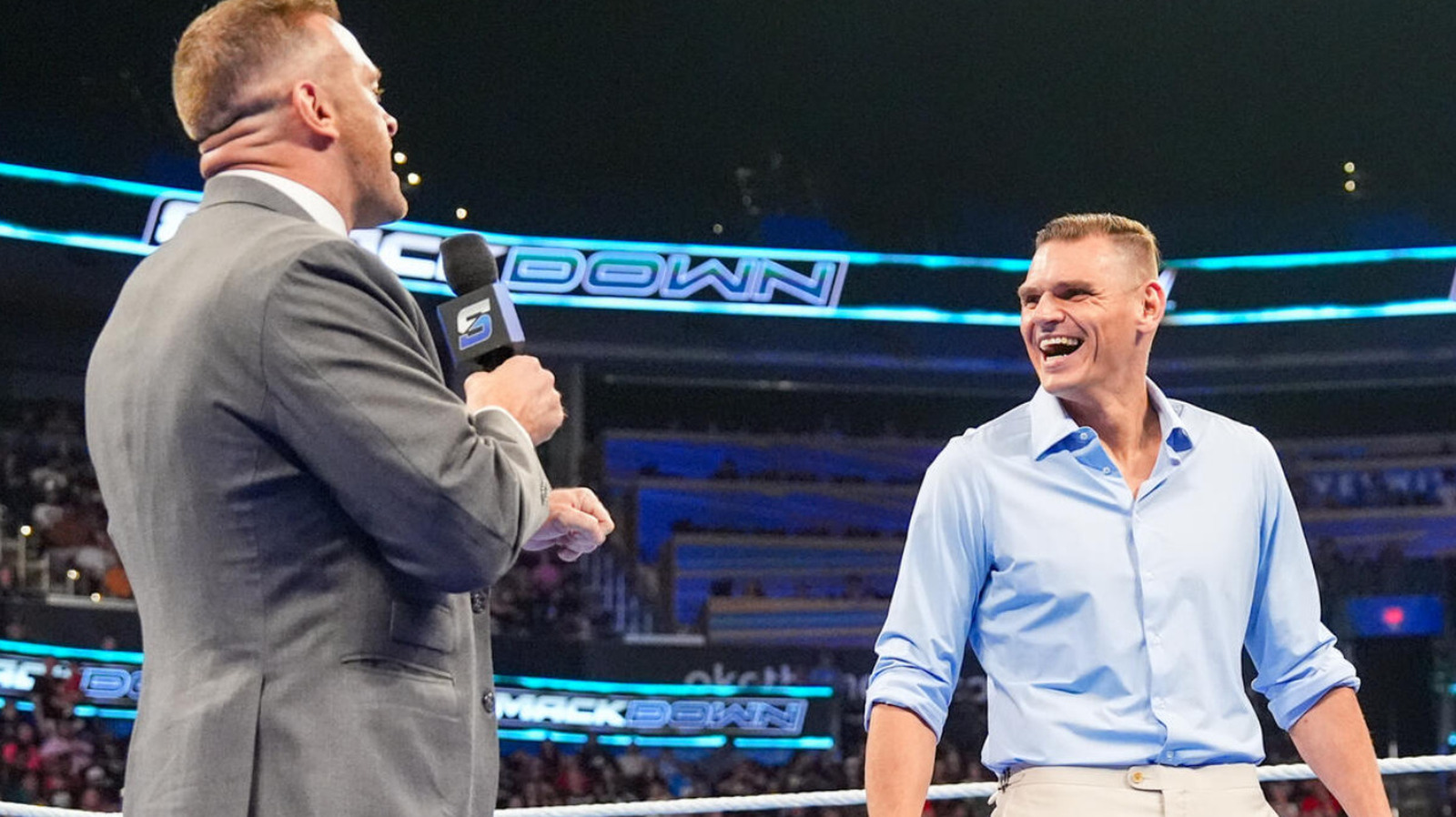
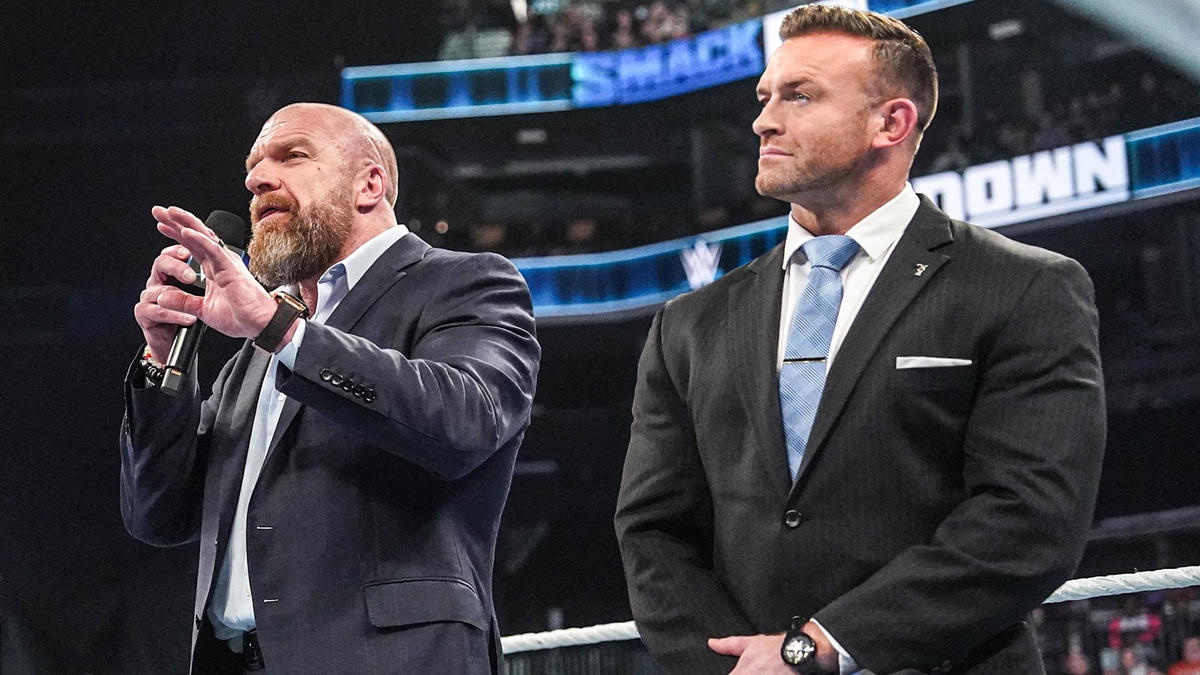
General Managers are tasked with oversight, not competition. The announcement that Nick Aldis will face Gunther at SummerSlam as reported by PWInsider shifts the focus from structural management to a high-stakes competitive mismatch. When evaluating the discrepancy in recent activity, the numbers reveal a troubling trajectory.
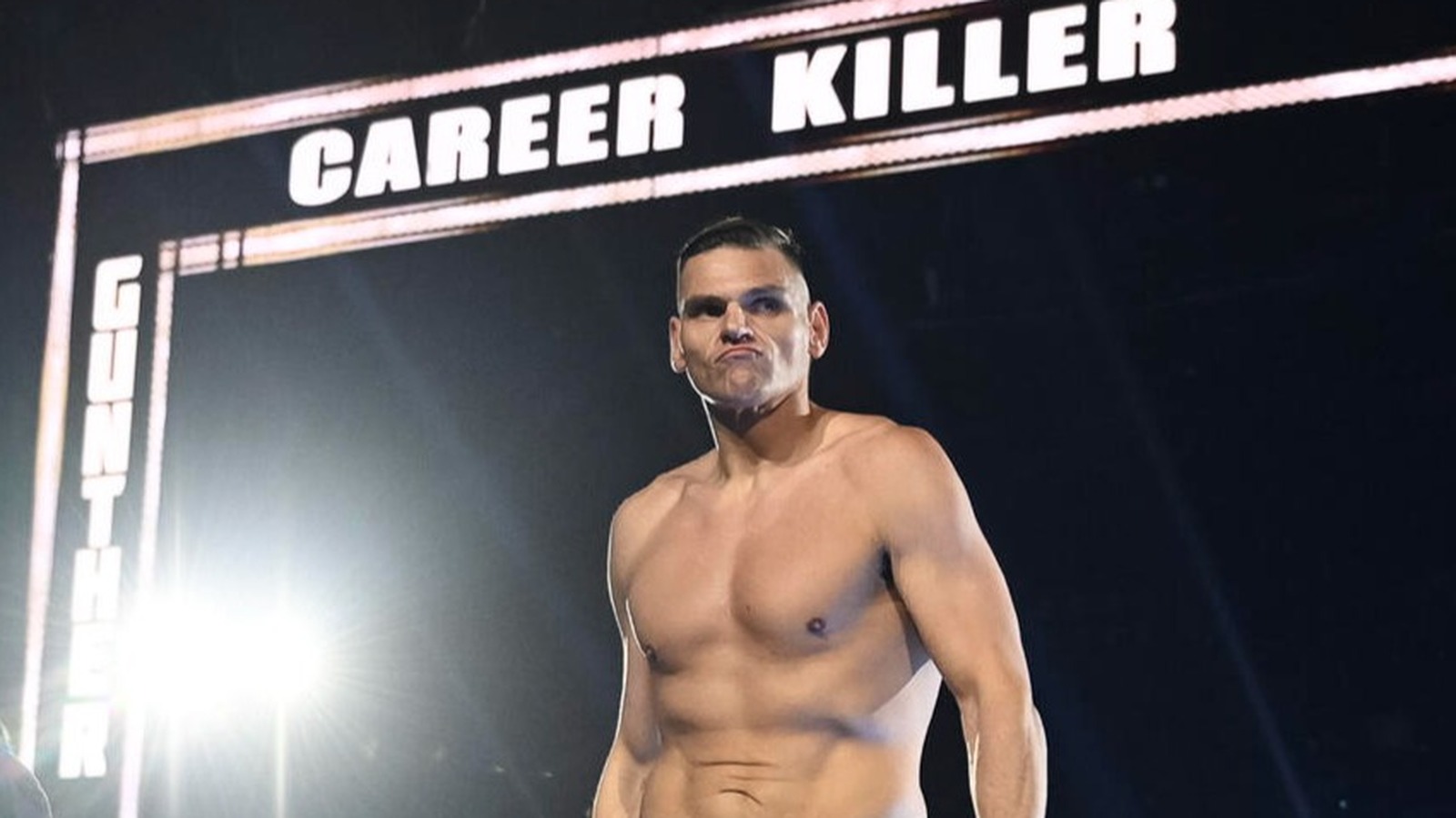
Gunther has logged 142 television matches since his main roster debut, maintaining a win rate of 78%. By contrast, Nick Aldis has transitioned into a strictly administrative role. His last recorded competitive match occurred over two years ago.
The statistical reality of the mismatch
In the modern wrestling environment, timing and ring rust are quantifiable variables. A wrestler who has spent 36 months operating exclusively as an on-screen authority figure faces a steep athletic deficit. This is not a matter of charisma; it is a matter of cardiovascular conditioning and refined reaction times.
Gunther operates at an elite cadence, averaging 14:22 per match. His signature move set, built around high-impact chops and the powerbomb, relies on specific timing windows that a non-active competitor cannot simulate in a performance center environment. Expecting a stationary authority figure to close this gap is analytically unsound.
The danger of ignoring roster positions
Booking a GM in a marquee match creates a logical bottleneck for the roster. Every minute Gunther spends selling for an executive is a minute removed from a viable challenger within the active division. Consider the opportunity cost involved in this decision.
If we look at the average match quality metrics for the current IC title scene, they hover at a high baseline. Inserting a non-active performer into a headline slot risks stalling that momentum. The decision mirrors the wrestling-to-comedy transition seen in other aging stars, yet it lacks the self-awareness required to actually work for the audience.
Predicting the impact on the SummerSlam card
A mismatch of this nature impacts the total match duration and flow of the event. If the bout extends beyond the 8-minute mark, the risk of a botched sequence increases significantly. When personnel lacking ring training enter a high-leverage environment, efficiency typically drops by 40% compared to a standard tag-team bout.
This booking decision ignores the fact that Gunther is currently a 92% accuracy shooter when it comes to delivering clean, effective sequences. Pairing him with an administrator effectively nerfs his primary asset: the ability to work stiff, realistic matches that define his current run.
Ultimately, the mismatch signifies a failure to protect the internal hierarchy of the brand. When an authority figure steps between the ropes, the stakes lose their competitive tension. The data suggests this will be the low point of the SummerSlam card, serving as a distraction from the elite technical wrestling the audience expects.