
The TNA acquisition rumors are a distraction from real structural problems
Measuring the noise against the reality of booking
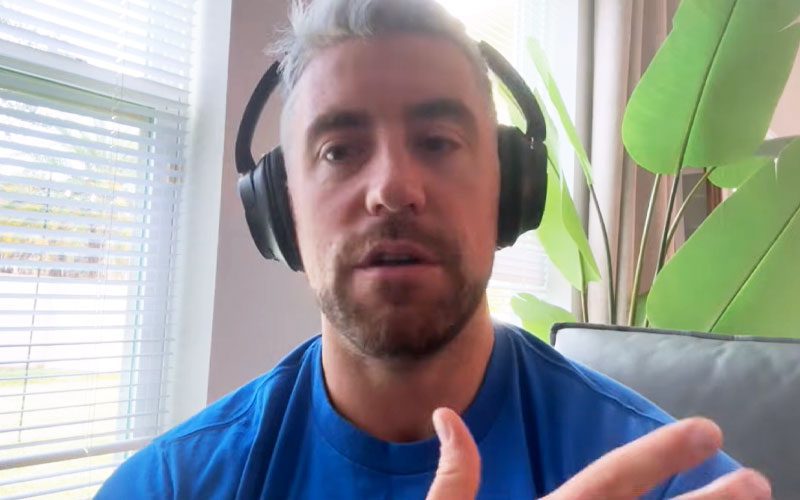
The wrestling business thrives on speculation, but the latest chatter surrounding TNA Wrestling is approaching a point of diminishing returns. As reported by Ringside News, the focus of the fan base has shifted toward behind-the-scenes mechanics rather than the product in the ring. Matt Hardy has recently addressed the persistent rumors regarding a potential WWE purchase, dismissing the idea that a buyout is imminent.
Hardy’s comments provide necessary context for those tracking the industry. The constant cycle of acquisition narratives often functions as a buffer for more pressing issues. When observers fixate on ownership changes, they ignore the pacing and character consistency problems that actually impact weekly viewership. It creates a vacuum where speculation outweighs actual analytical criticism of the product.
The Joe Hendry absence remains an avoidable booking error
Joe Hendry’s disappearance from WWE television stands out as the most glaring misuse of momentum in recent months. After an attack by Austin Theory, Hendry effectively vanished from the landscape. It is a tactical failure to have a performer with such obvious crowd connection sidelined during a tour where his presence is a known draw.
This isn't just a matter of bad luck. It reflects a rigid approach to storytelling where performers are benched to reset a feud, ignoring the necessity of maintaining heat. Hendry’s charisma was burning at an unsustainable rate, which management chose to extinguish rather than capitalize on. If you look at the recent reporting on his status, it remains clear that the creative direction had no contingency for his secondary feuds.
Evaluating the TNA noise versus product sustainability
The fixation on TNA being bought by a larger entity serves as a convenient distraction from the fact that TNA itself continues to operate under significant scrutiny regarding its long-term output. Matt Hardy’s dismissal of these rumors is grounded in the reality of how these promotions actually negotiate behind closed doors. Corporations do not typically broadcast their intent to facilitate a total absorption of a competitor.
Instead of hoping for an acquisition, focus should be on the internal development of talent within these independent channels. The obsession with consolidation kills industry health, yet it remains the primary topic of conversation among fans who should be demanding better match quality. If we stop worrying about who owns what and start judging the 90-minute program for what occurs between the ropes, the discourse would be significantly elevated.
We must look at the data points that matter: who is receiving consistent television time, and who is being sidelined for booking convenience? Hendry’s hiatus is a symptomatic issue of a system that prioritizes long-term arcs over the immediate heat generated by talented individuals. When top flight talent is neutralized via post-match beatdowns, the product experiences a flatlining of urgency. It discourages emotional attachment, as viewers learn that momentum can be halted at the whim of a nonsensical creative reset.
The path toward better critical evaluation
To improve our understanding of the current industry climate, we need to strip away the merger speculation and focus on the technical side of the performances. The wrestling media often provides a safety net for promoters when they fail to deliver by focusing on business news rather than the matches themselves. This is a mistake. We should demand better pacing and more logical conclusions to storylines.
Look at the way transitions are handled in tag team matches or how mid-card feuds conclude with clean finishes. These are the markers of a healthy promotion. When we ignore these fine-grained details in favor of office-politics gossip, the quality of both the shows and our analysis suffers. It is time to treat the wrestling ring with the same analytical scrutiny applied to other professional sports. The obsession with boardrooms is a poor substitute for caring about the quality of the product delivered on any given Friday or Saturday night.
Funko Pop! WWE: Cody Rhodes Hell in a Cell Edition (#152)
Celebrate the grit of 'The American Nightmare' with this iconic Hell in a Cell v
Frequently Asked Questions
What has Matt Hardy said about TNA being bought by WWE?
Why is the current focus on TNA acquisition rumors considered a problem?
How has Joe Hendry been misused by current creative teams?
What is the primary flaw in the current wrestling storytelling approach?
How can wrestling fans improve the quality of industry discourse?
More Coverage
The road to Night of Champions leads through Liv Morgan's chaos
an hour ago
Cody Rhodes sustains shoulder injury on SmackDown
2 hours ago
MJF is walking into Forbidden Door as a compromised champion
3 hours ago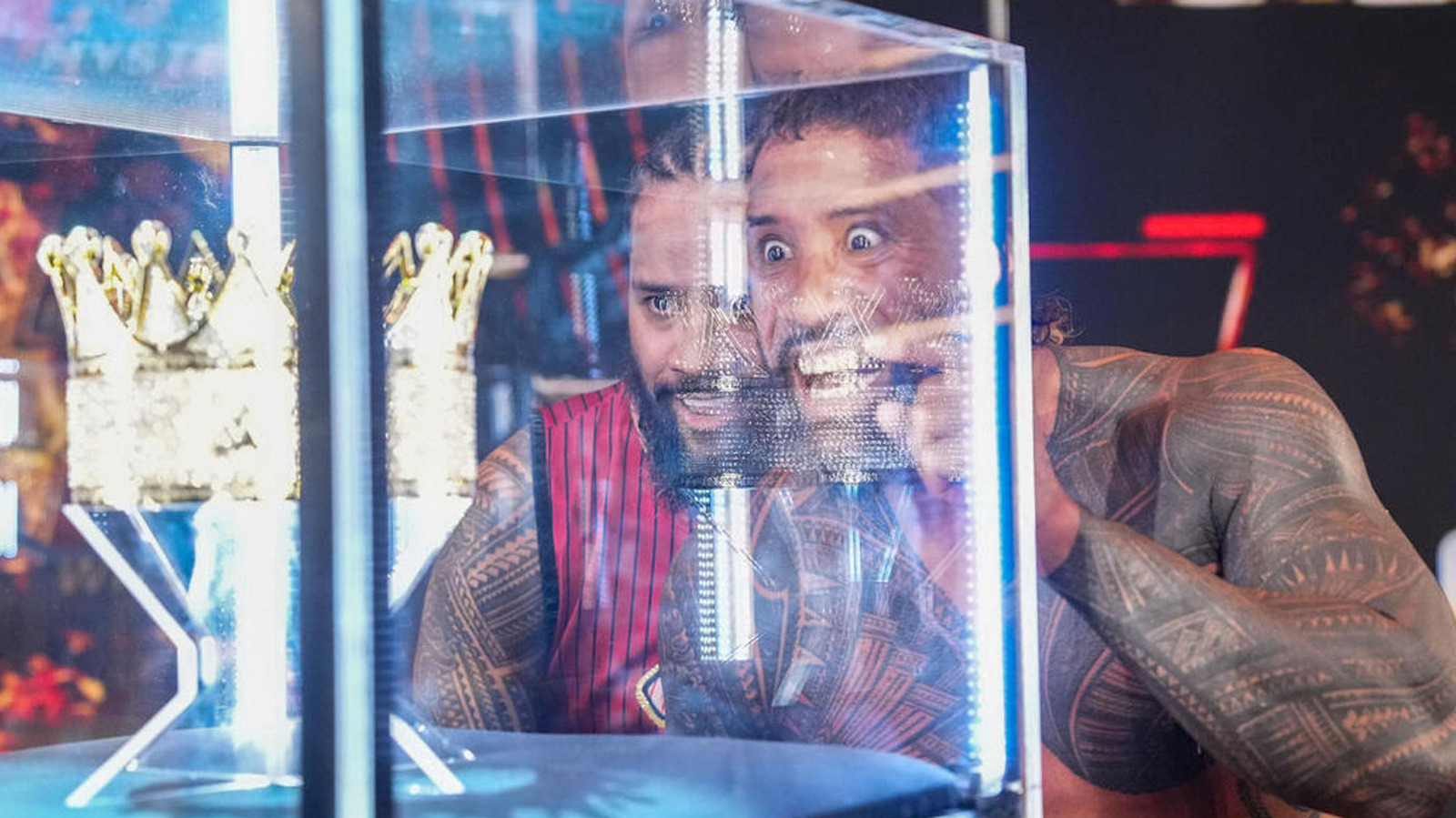
Jey Uso versus Oba Femi is a tactical nightmare for the Bloodline veteran
4 hours ago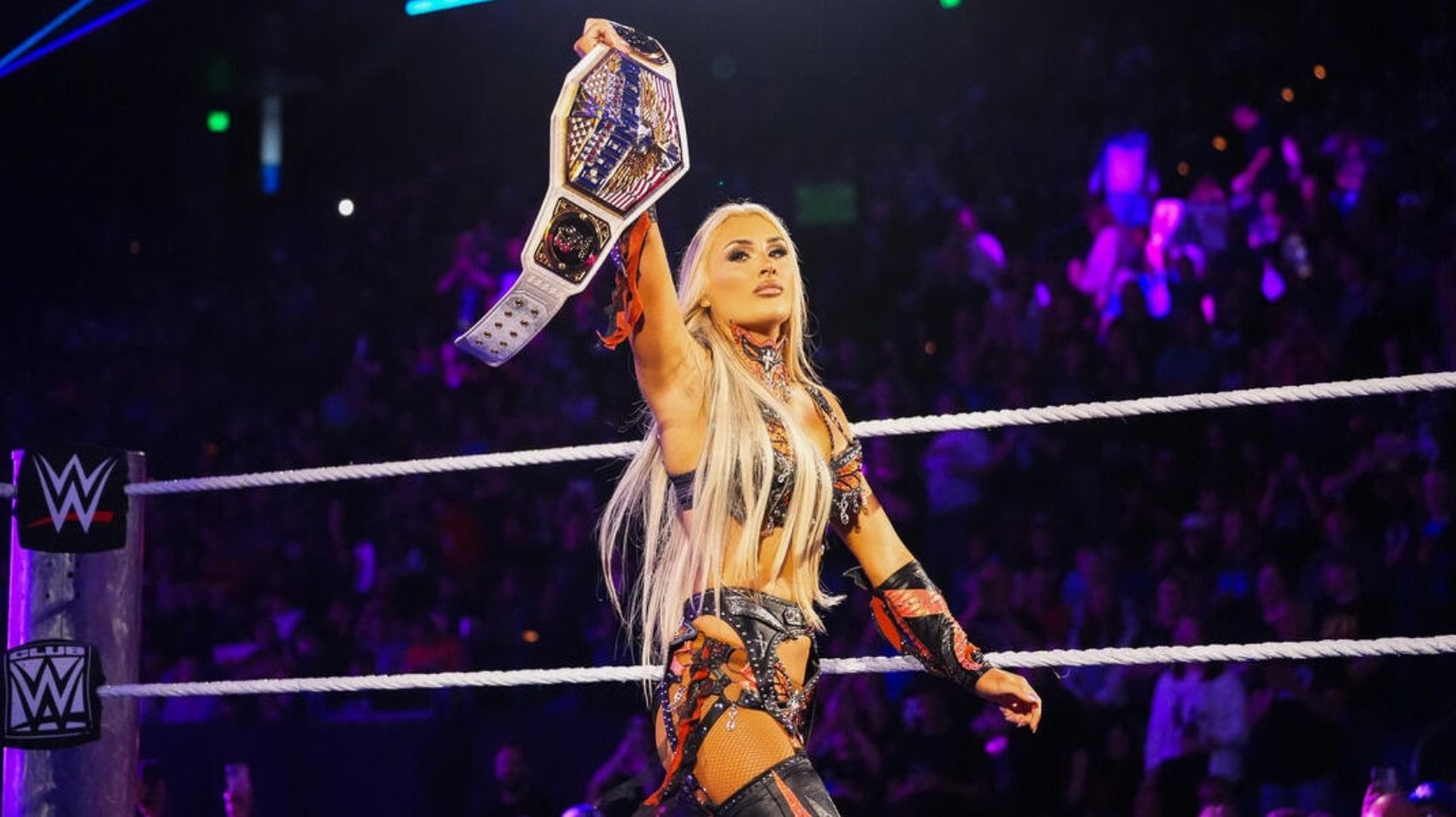
Tiffany Stratton's title reign demands actual competition
4 hours ago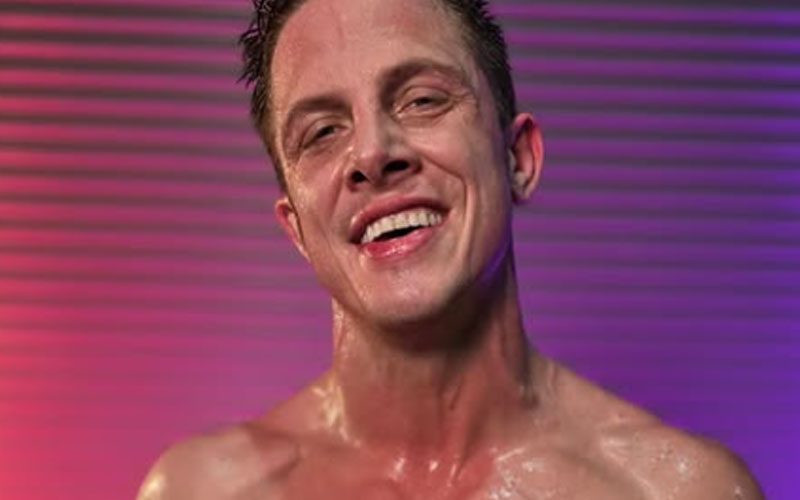
Matt Riddle cutting his hair is the weirdest wrestling story of the year
5 hours agoMore Analysis
SmackDown is stuck in a booking loop and it is painful to watch
an hour ago
The road to Night of Champions leads through Liv Morgan's chaos
an hour ago
Top 10: Defining Wrestling Moments of Mid-2026
2 hours ago
Cody Rhodes sustains shoulder injury on SmackDown
2 hours ago
MJF is walking into Forbidden Door as a compromised champion
3 hours ago