Thunder Rosa navigates a long road back
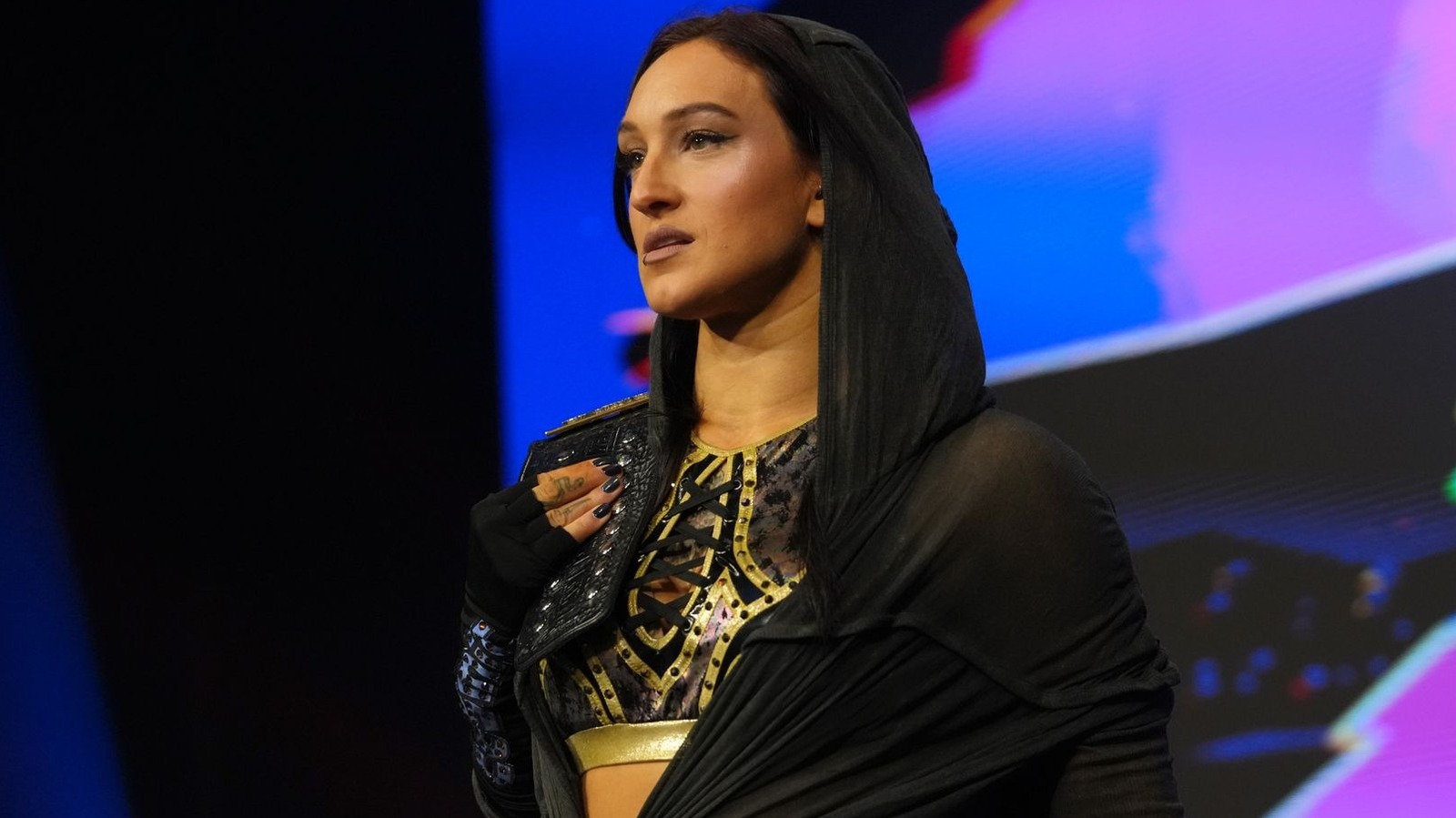
Former AEW Women's Champion Thunder Rosa has offered an unfiltered look into the reality of recent physical setbacks. In a candid admission, Rosa revealed that her confidence regarding a return to professional wrestling was shaken after her latest injury forced her onto the shelf.
The recovery process for high-impact athletes involves more than clinical rehabilitation. Rosa described a period where the uncertainty of her physical longevity cast doubt on her career path. Her statements confirm that the road back to in-ring competition is often delayed by internal hesitation as much as physical readiness.
Injury frequency remains a structural problem for AEW
Rosa’s case is far from an isolated incident within the promotion. The latest injury report from Wrestling Inc highlights how top-tier performers are struggling with the sustained intensity of the schedule. When champions are sidelined for extended blocks, the creative booking suffers, leaving the women's division searching for consistency.
This is not the first time a major star has questioned their future due to repetitive wear and tear. Historical trends in the industry show that performers who attempt premature returns often face recurring issues within their first six months back. The decision to prioritize long-term health over immediate creative momentum is a necessary, if frustrating, pivot for talent management.
Strategic implications for the division
The absence of a cornerstone talent like Thunder Rosa forces the matchmakers to pivot rapidly. When a top star cannot wrestle, the promotion often relies on temporary title holders or interim programs that lack the long-term payoff fans desire. This defensive booking limits the growth of the division and prevents natural rivalries from reaching a proper conclusion.
Furthermore, the physical toll discussed by Rosa raises questions about training facility oversight and match pacing. High-flying, high-impact styles are fan favorites, but they carry a high cost. If performers are consistently reaching a point where they doubt their ability to work, the current approach to match density needs a re-evaluation.
The revolving door of talent
While injuries drain the active roster, the periphery of the wrestling world is constantly shifting. Veterans are testing the waters for potential returns or secondary runs. Joey Janela has publicly signaled an openness toward a return, and JoJo Offerman is stoking speculation about recurring AEW involvement. However, adding more names to the roster mask the underlying issue of existing talent management.
The failure to keep marquee talent healthy remains the biggest hurdle for Tony Khan’s promotion. Replacing an injured star is possible; duplicating the drawing power of a former champion is not. Fans are less forgiving when the product feels disjointed by injury-induced reshuffles. If Thunder Rosa can manage a full return, her reintegration must be handled with extreme care to avoid another recurrence.
The return of legends is a band-aid, not a cure for the recurring injury cycle impacting the roster's main eventers. Physical rehabilitation accounts for only half of the challenge in this business. The remaining portion depends on a booking strategy that understands how to preserve the longevity of its most popular assets—a lesson the company has been learning the hard way for several years.