The severity of the Rosa injury
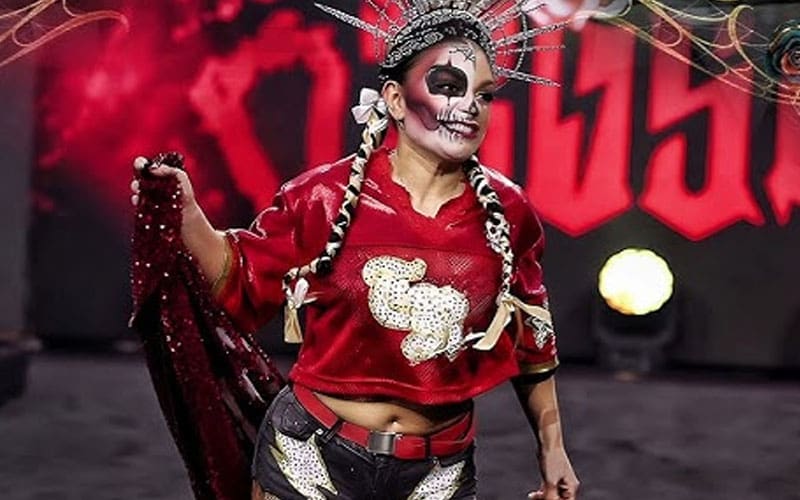
Thunder Rosa faced a career-threatening obstacle when a back injury forced her to relinquish the AEW Women's World Championship in 2022. The medical reality was grim. She recently confirmed that there were moments she genuinely questioned whether she would ever compete again.
This was not a minor tweak or a standard strain. The nature of the spinal issue required significant rehabilitation away from the bright lights of AEW programming. She described the recovery process as a test of mental fortitude as much as physical capability.
The rehabilitation timeline
The road back spanned longer than many fans realized. While the promotion moved forward with interim champions and new storylines, Rosa spent over a year working through specific medical protocols. She had to rebuild the stability in her lower back to handle the bump cards required in modern professional wrestling.
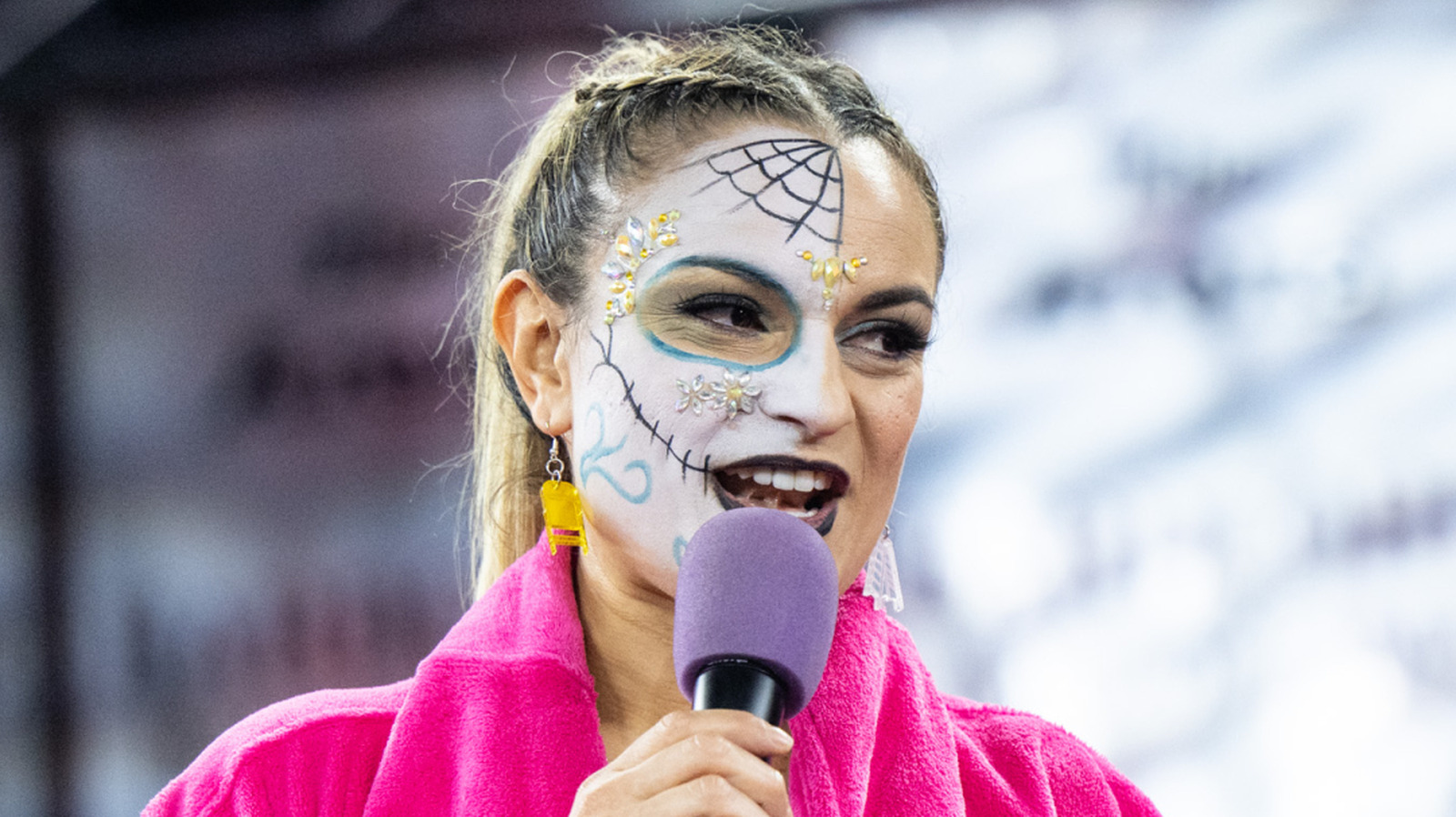
The return was not immediate. After months of silence regarding her status, she began appearing on broadcast commentary and backstage segments. This served as a buffer, allowing her to stay involved while her body continued to adjust to the rigors of travel and training. She eventually stepped back into the squared circle earlier this year.
Industry implications of spinal recovery
The wrestling industry treats spinal and back injuries with extreme caution following high-profile retirements in the last decade. Executives now prioritize long-term health over immediate booking needs. Rosa's return marks a success story in a business that often forces talent into early exits due to recurring tissue damage.
Her case highlights the shifting culture regarding injury transparency. When a competitor goes down, the current standard is to provide enough information to manage fan expectations without sacrificing the athlete's privacy. Rosa chose to be candid once she reached a stable point in her recovery, which helped maintain audience interest without resorting to speculation.
Strategic booking versus human reality
Booking dilemmas arise whenever a champion suffers a major setback. AEW handled her absence by creating an interim title structure, a move that drew mixed reactions from the fanbase. Some critics argued it diluted the prestige of the championship. Others appreciated that it kept the division active while the original champion recovered.
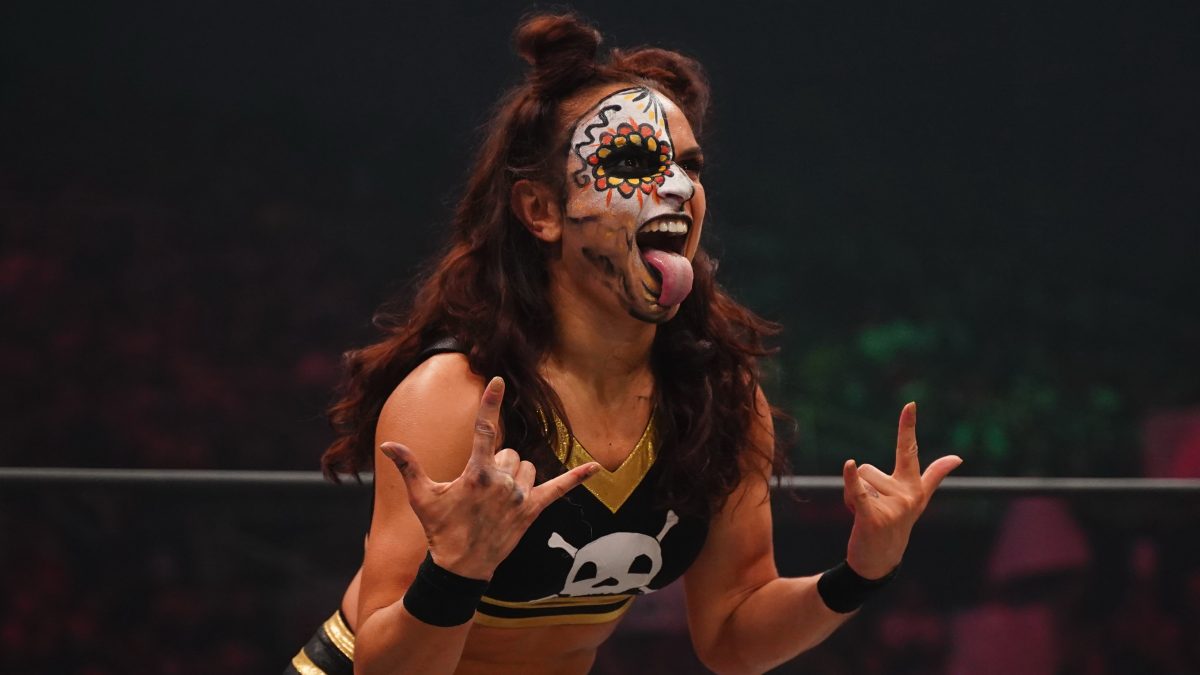
The current reality for Rosa involves managing a workload that looks different than it did pre-injury. High-impact maneuvers and heavy lifting are now balanced against longevity. Her match quality remains high, but the cadence of her appearances has changed to accommodate a maintenance routine that prevents flare-ups.
Looking forward
Rosa now views her tenure as a professional wrestler as a gift. Having survived the uncertainty of a potential career-ending diagnosis, she operates with a renewed focus on her current program. The goal is no longer just holding the gold, but maintaining the ability to step through the ropes every week.
This comeback provides a blueprint for other performers navigating similar medical histories. Success in this area is measured by the 100 percent commitment to physical therapy rather than intensity in the gym. She has shifted from an explosive style to one that emphasizes technical proficiency and pacing.
The critical observation remains that the division moved on rapidly in her absence. Reclaiming a top-tier spot requires not just a clean bill of health but a re-integration into the main event scene. She is currently working through those creative challenges while maintaining her physical health as the primary objective.
Ultimately, the story of Thunder Rosa serves as a reminder of the fragility of a wrestler's timeline. Professional wrestling is a grueling labor that rewards those who can adapt their bodies to the evolving demands of the business. She remains a fixture of the roster, having navigated the most difficult phase of her athletic life.