TKO is stripping WWE of the hidden gears that make pro wrestling work
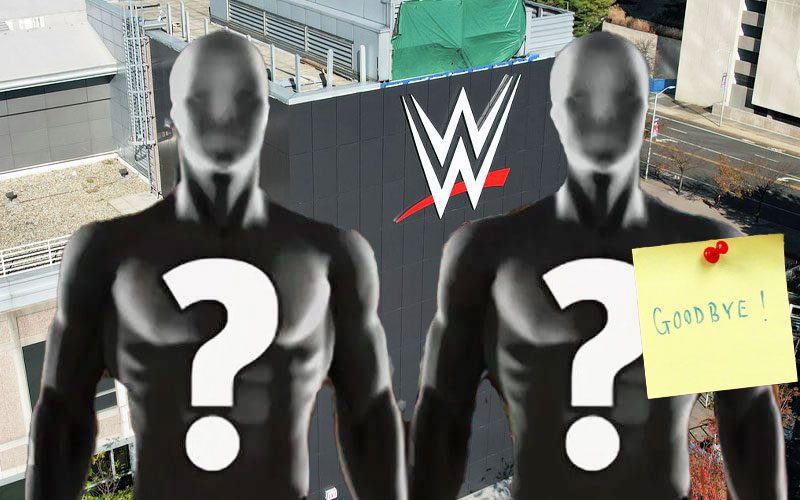
Two days ago, on Friday, June 26, 2026, reports confirmed another round of office layoffs at WWE. The announcement arrived without a public statement, leaving the exact number of departures undisclosed. This is not an isolated event but a persistent pattern of trimming.
When TKO Group Holdings first consolidated WWE and UFC, they eliminated over 100 corporate positions in September 2023. A second wave followed in December 2023, hitting human resources, finance, and event production. Now, as Ringside News reported, the corporate axe has swung again.
Corporate analysts frame these cuts as efficiency gains. They talk of removing redundancies and streamlining operations. The reality on the ground is a massive increase in workload for the remaining staff.
Pro wrestling is not a standard corporate enterprise. It is a traveling circus that requires immense coordination to produce five hours of live television every week. Stripping the office of its institutional knowledge hurts the product.
The office staff is the connective tissue of the company. They handle travel logistics, media relations, local marketing, and community outreach. When you eliminate these roles, you place a heavier burden on the creative and production teams.
This restructuring is beginning to look like a short-term margin play. TKO is looking for cost savings to satisfy shareholders. The long-term cost will be paid in employee burnout and operational errors.
Backstage reports suggest that many office workers are now handling UFC-related tasks without extra pay. The lines between the two promotions are blurring. This cross-promotional drift is causing friction within the ranks.
A lean office works when your business is seasonal or static. It fails when you are running an entertainment brand that tours fifty-two weeks a year. TKO is trading operational stability for a temporary bump in stock price.
The Fallacy of the UFC Blueprint
TKO is attempting to apply the UFC operating model to WWE. This is a fundamental misunderstanding of how professional wrestling functions. WWE is a narrative machine that tours fifty-two weeks a year.
UFC does not need to worry about long-term character arcs or weekly episodic writing. Their production is highly standardized, and their matchmaking team is tiny. WWE requires a large creative writing staff, agents, and producers to construct its weekly shows.
By treating WWE like a standard sports league, TKO is gutting the support staff. The writers are overworked, and the production team is stretched thin. This operational strain is starting to show on television.
We see it in the repetitive match structures and the lack of mid-card development. We see it when creative plans are changed hours before a show because there are not enough minds to vet the ideas. A lean corporate office works for UFC, but it cripples WWE.
Wrestling needs specialists who understand the unique dynamics of the business. It needs promoters, booking agents, and coordinators who know how to work with local arenas. TKO is replacing these veterans with corporate generalists from Endeavor.
The result is a corporate culture that feels disconnected from the product on the screen. The new executives do not watch the matches. They look at spreadsheets and cost centers, ignoring the human elements of the industry.
This disconnect is not just an administrative issue. It directly impacts the quality of the matches and the health of the roster. When the office fails to coordinate properly, the talent is left to navigate the chaos alone.
The transition to Endeavor's back-office systems was supposed to simplify operations. Instead, it has created bottlenecks in communication between departments. Creative plans are stalled because administrative approvals take weeks.
The lack of coordination affects even the simplest details of production. Ring crew workers are forced to work double shifts because of staff shortages. The physical toll on the crew is beginning to impact their efficiency.
Safety concerns are rising as experienced coordinators are let go. The new managers do not understand the logistical risks of setting up steel cages or complex staging. This operational negligence is a disaster waiting to happen.
Gutting the Roster's Middle Class
The office layoffs follow a series of talent cuts in April and May of 2026. On April 24, WWE released key performers including Zelina Vega, Santos Escobar, and Kairi Sane. They also eliminated the entire Wyatt Sicks faction, releasing Bo Dallas, Nikki Cross, Dexter Lumis, Joe Gacy, and Erick Rowan.
More departures followed in May. Tonga Loa was let go, and long-time tag team champions Kofi Kingston and Xavier Woods reportedly parted ways with the company. These cuts represent a systematic purging of the roster's middle class.
A healthy wrestling promotion requires a strong mid-card. Performers like Apollo Crews, Zoey Stark, and Alba Fyre, who were also released in April, provide the competitive depth. They are the workhorses who make the main event stars look good.
Without them, the show becomes top-heavy and repetitive. Fans are treated to the same main event matches week after week. The three-hour RAW broadcasts become grueling to watch when there are no compelling mid-card stories to fill the time.
Look at the damage done to the factions. The release of Zelina Vega and Santos Escobar effectively killed the LWO storyline, leaving a major narrative thread unresolved. The sudden deletion of the Wyatt Sicks wasted months of promotional build-up.
This is erratic booking driven by short-term budget concerns. It shows a lack of respect for the audience's investment in these characters. You cannot build long-term fan loyalty when storylines are abruptly aborted to balance a spreadsheet.
Even the tag team division has been gutted. Losing Kofi Kingston and Xavier Woods removes a legendary team that anchored the division for over a decade. The release of the Motor City Machine Guns, Chris Sabin and Alex Shelley, was another blow to the division's work rate.
The tag team division now feels like an afterthought. Matches are thrown together with random pairings, lacking the chemistry of established teams. This is a direct consequence of the post-spring roster restructuring.
The developmental system is also suffering from this aggressive downsizing. In April, NXT lost promising prospects like Andre Chase, Dante Chen, Tyson DuPont, and Luca Crusifino. These young athletes represent the future of the promotion.
By cutting them before they can develop, WWE is halting its talent pipeline. The developmental brand was built to cultivate new talent, but it is now being run like a cost-cutting department. This shortsightedness will catch up with the main roster in a few years.
A wrestling promotion cannot rely solely on its top stars. If a headliner gets injured, the company needs established mid-carders who can step into the main event. By purging the mid-card, WWE has left itself vulnerable to roster emergencies.
The fans are noticing the decline in roster depth. Live attendance at non-televised house shows has begun to slip. People are not willing to pay premium prices for cards that lack star power and narrative consequence.
The matches themselves are suffering from a lack of variety. Without creative mid-carders, the in-ring style becomes homogenized. Every match follows the same formula, leading to crowd apathy.
Morale and the Decline of Backstage Culture
The financial success of WWE is undeniable. The company is generating record revenue from media rights, live gates, and sponsorships. Yet, the benefits of this boom are not trickling down to the employees.
Backstage morale has plummeted due to changes in employee benefits. TKO recently ended the employee stock purchase program, which had allowed staff to buy company shares at a 15% discount. This was a valuable incentive for long-term workers.
They also cancelled peer-recognition programs and restricted access to complimentary live event tickets. These small perks made the grueling travel schedule bearable. Removing them feels petty and unnecessary for a company making hundreds of millions in profit.
Compensation is another major point of contention. Most staff members have seen their annual raises capped at a 3% cost-of-living adjustment. This does not keep pace with inflation or reflect the company's massive growth.
Writers and producers are expected to work longer hours for the same pay. They are managing larger rosters and coordinating more complex international events like the Night of Champions in Riyadh. The gap between corporate wealth and employee compensation is widening.
This environment of uncertainty has created a tense atmosphere behind the scenes. Employees are constantly waiting for the next round of cuts. This fear prevents creative risk-taking and leads to a conservative, formulaic product.
A creative business cannot thrive in a climate of fear. Writers are hesitant to pitch bold ideas because they do not want to draw negative attention. The result is the sterile, over-produced television we see today.
TKO is treating WWE like a manufacturing plant rather than a creative studio. They are optimizing the margins by cutting the human resources that drive the business. This approach may look good on quarterly earnings reports, but it damages the core product.
The cuts have also damaged the relationships between management and talent. Performers feel that they are treated like commodities rather than creative partners. This lack of respect is driving talent to look at other options in the industry.
Backstage interviews reveal a growing sense of frustration among the veteran performers. They see their friends being let go and their benefits reduced. The loyalty that once defined the WWE locker room is dissolving.
The loss of the peer-recognition program is a prime example of this cultural shift. This program allowed talent to celebrate each other's hard work. Its elimination signals that TKO does not value employee community.
The company's focus has shifted entirely to the bottom line. Every decision is made through the lens of cost reduction. This corporate rigidity is killing the passion that drives the wrestling business.
The Limits of the Margin Play
Endeavor's strategy of debt management and contract restructuring is clear. They are trying to extract maximum profit from WWE to offset their own corporate liabilities. This involves pushing talent toward fee-based contracts and minimizing employee overhead.
But professional wrestling is a relationship business. It relies on the trust between the performers, the writers, and the management. When that trust is eroded by constant layoffs and benefit cuts, the system begins to fail.
We are already seeing the warning signs. Talent morale is low, and creative direction is stagnant. The roster cuts have left the divisions thin and the match quality inconsistent.
WWE is currently riding a wave of popularity, but that popularity is built on stars who were developed years ago. If the company fails to nurture its mid-card and support its creative staff, they will struggle to build the next generation of headliners. The pipeline is running dry.
The office layoffs of June 26 are a symptom of a larger corporate disease. TKO is prioritizing short-term financial metrics over the health of the promotion. It is a strategy that risks the very foundation of the company's success.
To prevent a complete decline, WWE must reinvest in its human capital. They need to rebuild the office support staff and restore the employee benefits. They must stop treating the roster like a list of liabilities.
If they continue on this path of aggressive downsizing, the quality of the product will continue to slip. Fans will eventually tune out, and the record revenues will dry up. Corporate efficiency is a poor substitute for creative passion.
The coming months will be critical for the company. They must decide whether they are an entertainment promotion or a financial holding company. The choice they make will determine the future of professional wrestling.
Wrestling fans are loyal, but their patience is not infinite. They want compelling stories and competitive matches, not optimized balance sheets. TKO must learn that in professional wrestling, the people are the product.
WWE Universal Championship Title Toy Belt
Admit it, you've practiced the entrance in your living room.
Frequently Asked Questions
When did WWE experience its latest round of office layoffs?
Why is TKO Group Holdings implementing corporate cuts in WWE?
How do WWE layoffs impact the remaining staff and television?
What corporate areas were targeted in the December 2023 WWE layoffs?
How does the UFC business model differ from WWE's weekly needs?
More Coverage
How Sami Zayn cracked the code of Cody Rhodes' historic championship reign
an hour ago
Top 10: Top Moments
an hour ago
AEW is the logical next step for free agents Kofi Kingston and Austin Creed
19 hours ago
The numbers show why WWE was right to keep Charlotte and Alexa together
19 hours ago
Triple H is ready to strap the rocket to Oba Femi at Night of Champions
1 day, 8 hours ago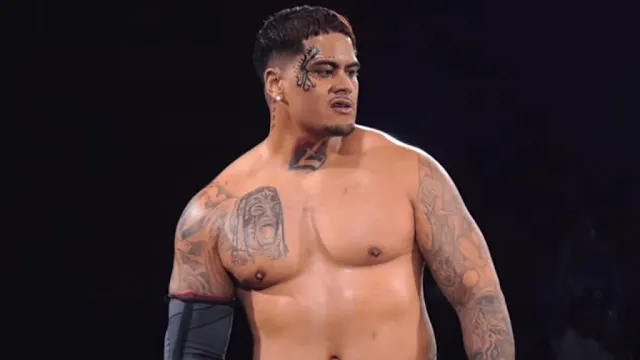
WWE's signing of Zilla Fatu proves they can't let the Bloodline go
1 day, 8 hours agoMore Analysis
How Sami Zayn cracked the code of Cody Rhodes' historic championship reign
an hour agoTop 10: Top Moments
an hour ago
Top 10: Top Moments
an hour ago
TNA is refusing to sell while the indie wrestling scene melts down
an hour ago
Triple H just completely broke the WWE main event system
an hour ago