
TNA is bleeding talent and their exit strategy is failing
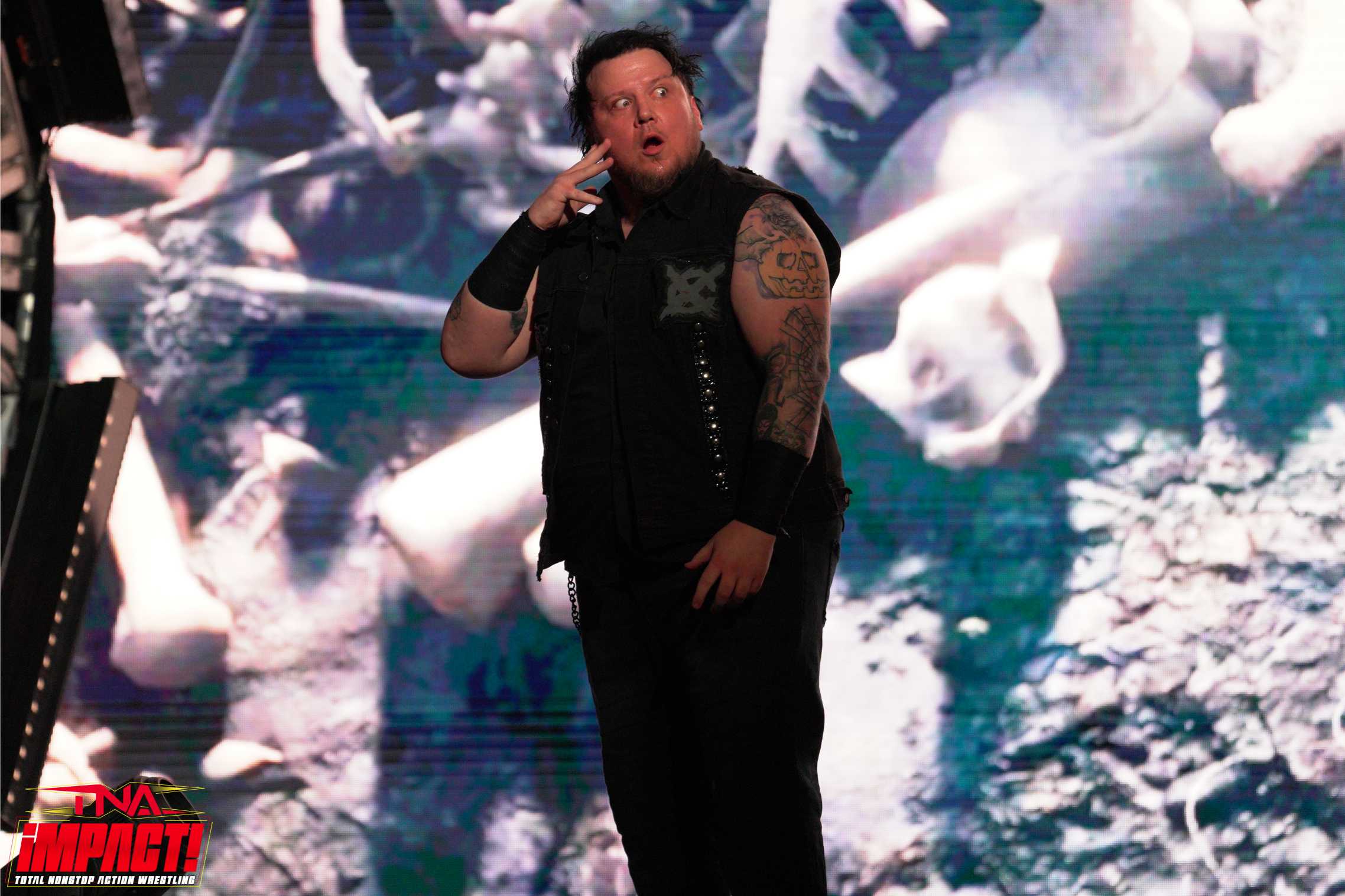
The revolving door at TNA
The recent exodus from TNA is more than a series of unfortunate contract expirations. When a roster loses main-event level anchors like Steve Maclin, alongside established figures such as Tommy Dreamer and Sami Callihan, the structural integrity of the promotion faces a genuine threat. As reported by PWTorch, the departures are coming in rapid succession, creating a vacuum that leaves the remaining creative team scrambling to justify their current booking pivots.
Sami Callihan reportedly exited via a broader workforce reduction. While mid-card cuts occur in every major promotion, losing a character like Callihan is rarely a simple swap. His ability to anchor high-intensity segments is difficult to replace on short notice. The depth of the roster is being tested, and the optics of losing high-profile veterans in such a compressed timeframe are undeniably damaging.
The CMLL ultimatum
Tessa Blanchard’s departure provides the most illustrative case study of TNA’s rigid management style. Blanchard confirmed that she was forced to choose between her standing with TNA and her ongoing commitments in Mexico with CMLL. Her decision to move on highlights a lack of flexibility that TNA can ill afford in the current talent market.
Refusing to collaborate with international partners who maintain strong developmental ties is a dated strategy. Blanchard’s transition to CMLL full-time allows her to explore a different stylistic base in Mexico, while TNA is left with a gaping hole in their women’s division. Demanding exclusivity in an era where cross-promotion adds value to both parties is a tactical misstep. The result is a diminished product for the viewer, and the loss of a talent who could have bridged two distinct fanbases.
Reflecting on the fallout
The public commentary following these departures has been predictable, yet telling. Blanchard has been vocal about the transition, indicating no bridge-burning, yet the underlying message is clear: the environment in Nashville has become restrictive. Tommy Dreamer’s departure, in particular, signals the loss of a veteran producer and locker room leader who provided stability during turbulent broadcasts.
The current situation mirrors the difficulties seen elsewhere, such as the post-mask creative scramble surrounding Chad Gable after his recent unmasking in AAA. While Gable manages to pivot his character, TNA has not afforded its talent similar runway. They are losing institutional knowledge at a pace that suggests a lack of forward-thinking retention plans.
These exits reveal a promotion struggling to define its identity. When a company relies on releasing talent as a primary tool for reorganization, the audience suffers through disjointed storylines and lack-of-momentum. TNA must recognize that rigid ultimatums are no longer a viable path to retaining a competitive roster.
WWE Championship Mini Replica Belt
Feel like the champion with this detailed 12-inch replica of the Undisputed Titl
Frequently Asked Questions
Which major wrestling talents have recently left TNA?
Why did Tessa Blanchard depart from TNA?
How did Sami Callihan exit the promotion?
What role did Tommy Dreamer play at TNA?
What is the primary criticism of TNA's management strategy?
More Coverage
TNA is rolling the dice on an OVW revival
5 hours agoMike Santana’s TNA return exposes a fundamental booking inefficiency
6 hours ago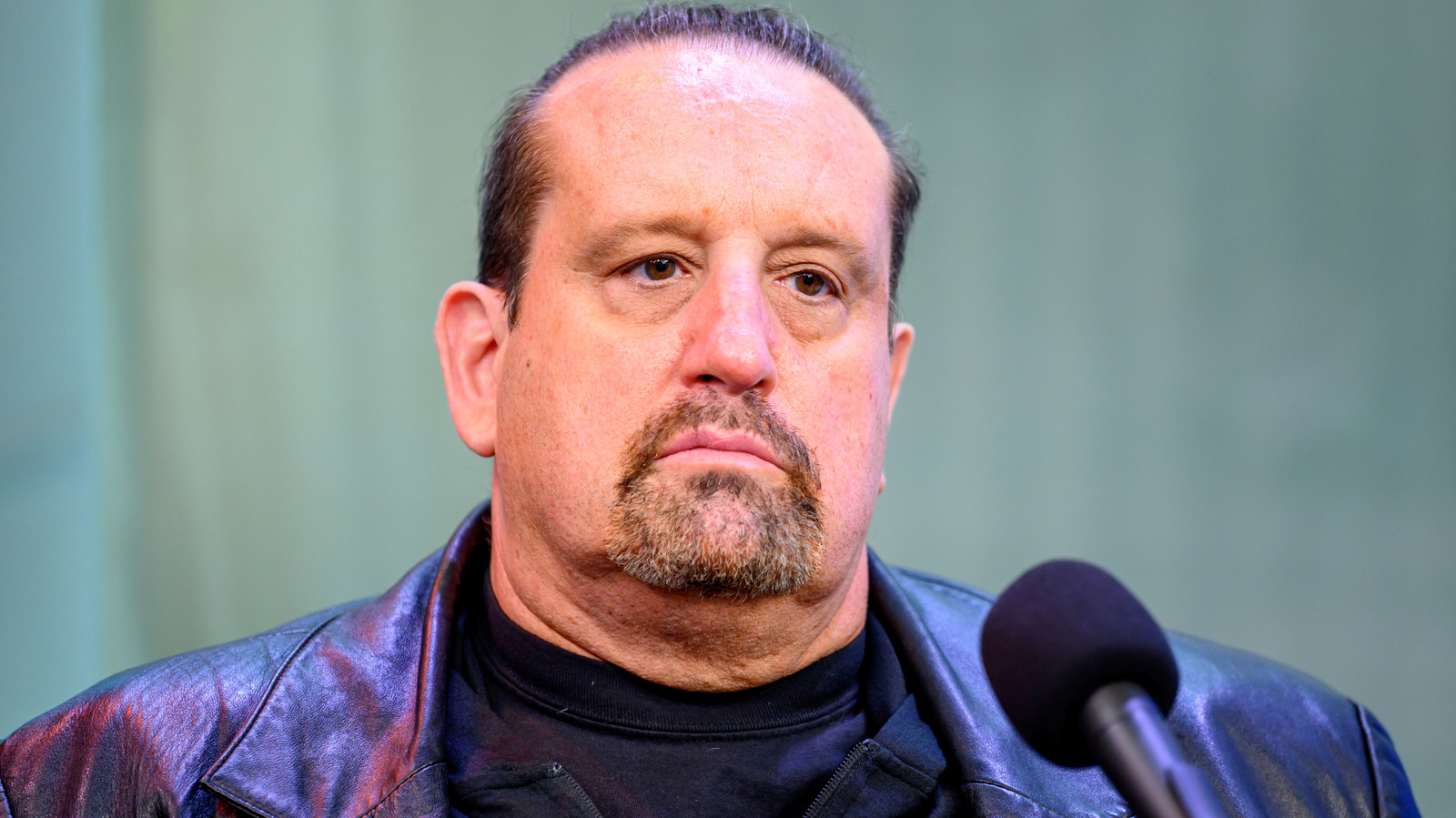
Tommy Dreamer exits TNA amid growing internal shifts
8 hours ago
The Tommy Dreamer era ends in TNA and the locker room is already buzzing
10 hours ago
The vacuum left by Sami Callihan in TNA management
10 hours agoTommy Dreamer’s TNA exit leaves the wrestling veteran as a free agent
12 hours agoMore Analysis
Cody Rhodes has peaked, and the storytelling is turning stale
2 hours ago
UFC Freedom 250 and the scariest headline in sports history
3 hours ago