Aichner Claims Title Shot Amid Albany Chaos
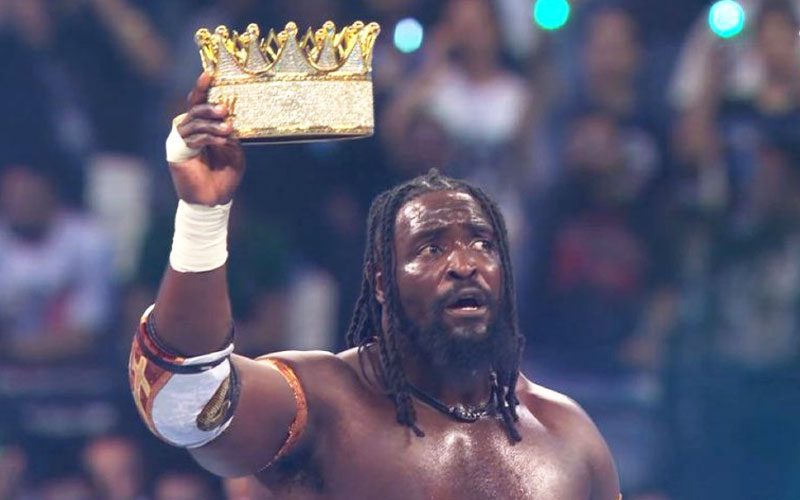
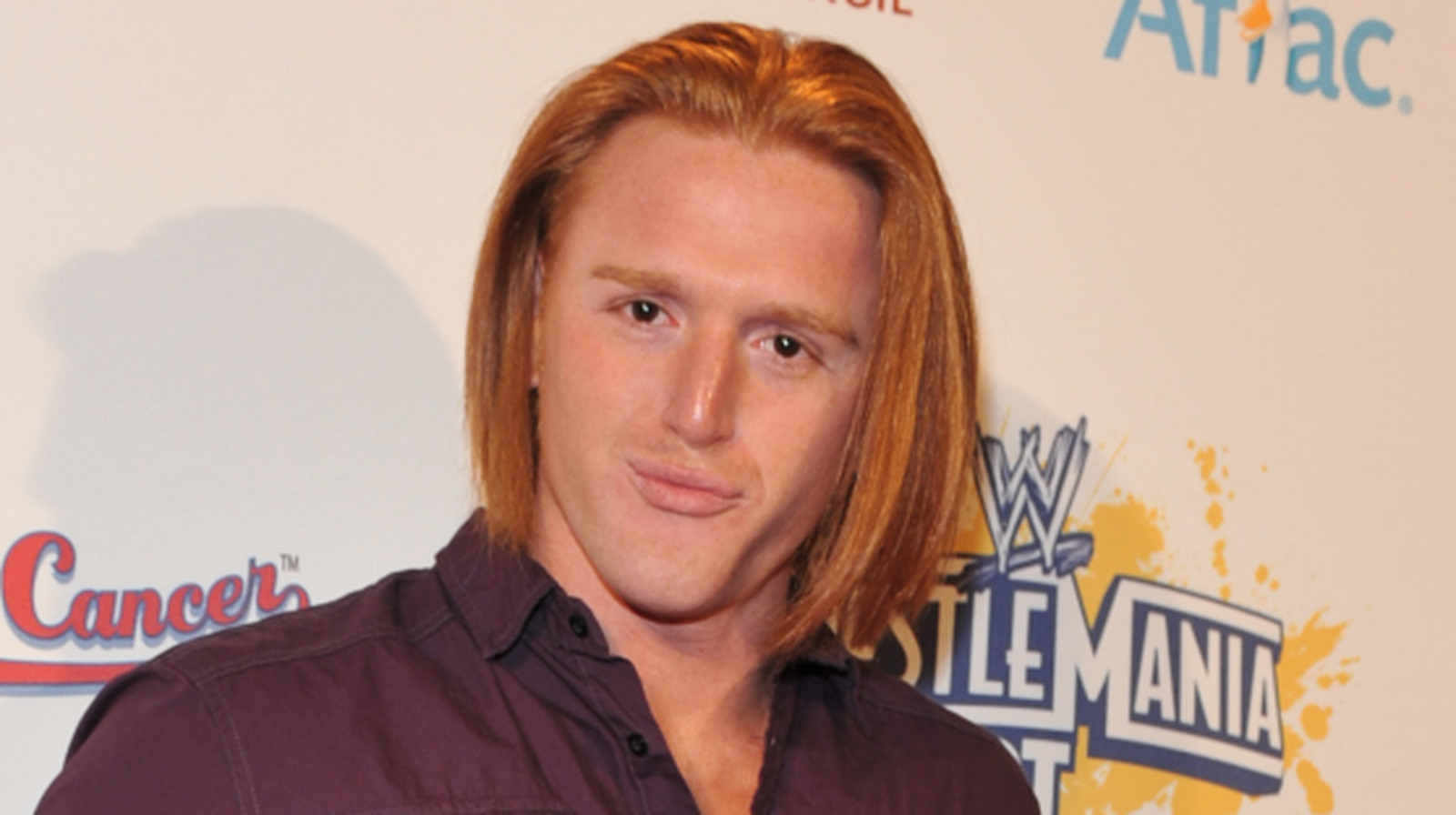
The X-Division championship picture has a new top contender. Fabian Aichner secured a future title match against Cedric Alexander on the July 2, 2026 episode of TNA Impact, pinning Brandon DE in a chaotic six-way contender's match. The former WWE star survived a field of high-flyers, but the Albany crowd witnessed a finish that was far from clean.
Aichner, who wrestled as Giovanni Vinci in WWE, has been a major focus on TNA television since signing a few months ago. He outlasted five other competitors to secure his spot as the top contender. Here is the list of opponents Aichner defeated in Albany:
- Brandon DE (BDE)
- Rich Swann
- Jason Hotch
- Mr. Elegance
- The Home Town Man
While the match featured several high-flying sequences, the ending felt somewhat disjointed. Multiple wrestlers missed cues in the final stretch, leading to a messy scramble. Still, the 35-year-old power specialist brings a different style to the division. As F4WOnline reported, TNA has not yet confirmed the date for Aichner's championship match. He is already deeply embroiled in a feud against The System and Alexander, setting up a high-stakes title match.
Edwards and Sadé Make Statements
Earlier in the night at the Broadview Center, the action was equally intense. Eddie Edwards defeated Leon Slater in a physical main event that highlighted the promotion's current booking direction. Edwards used a powerbomb of his own, followed by a Boston Knee Party, to secure the pinfall. According to the PWTorch report, the post-match angle was textbook heel behavior. Edwards and Cedric Alexander launched a two-on-one assault on the rookie Slater. The beatdown only stopped when Ricky Sosa ran down the ramp with a steel chair to make the save.
Meanwhile, the tournament to crown the first-ever TNA Knockouts Television Champion got underway. Mara Sadé defeated Tasha Steelz in a hard-hitting first-round encounter. Sadé caught Steelz with a German suplex followed by her signature submission to secure the victory. She now advances to the quarterfinals, adding immediate depth to the newly established division. The tournament represents a rare bright spot of long-term planning in a product that often relies on short-term booking.
Hardy Teases the Return of Cinematic Madness
While TNA looks to the future in the X-Division, legacy acts continue to dominate the headlines. Jeff Hardy revealed that a new cinematic match is close to reality. Speaking on The Extreme Life of Matt Hardy podcast, Hardy expressed massive excitement about returning to the format that redefined the Hardy brand a decade ago. The Hardy brothers are leaning heavily into their past to create interest in their current run, hoping to capture the lightning in a bottle that was their Broken Universe era.
Jeff recalled how their early Cameron, North Carolina home videos laid the groundwork for their famous Final Deletion match. The brothers believe that returning to their roots is the best way to stand out in a crowded wrestling market. Jeff Hardy laid out the lineage of the concept:
“It’s still very exciting for me and we’ve talked about this a lot. Well, I brought it up a lot recently that the first kind of the first versions of The Final Deletion were from the old Matt Hardy the Hardy Show because we had these brotherly fights… and that was kind of like what The Final Deletion ended up being. So, it’s cool that… we’re very close to doing a new cinematic match and we’re super stoked and excited because it’s going to be extremely epic and unforgettable.”
But nostalgia is a double-edged sword for a promotion trying to establish a modern identity. Jeff Hardy’s physical limitations are obvious every time he steps into a traditional ring. His movement is stiff, and his high-flying spots lack the velocity of his prime. Cinematic matches offer a way to hide these weaknesses, using clever editing, pre-taped spots, and dramatic storytelling to bypass the toll of decades of high-risk bumps.
However, TNA has a history of over-relying on these gimmicks when their weekly television booking stalls. The original Final Deletion was a lightning-in-a-bottle moment in 2016. Recreating that magic in 2026 risks looking like a retread of old ideas rather than a forward-thinking creative direction. Fans are used to the cinematic style, and the novelty has worn off since the pandemic era when every promotion ran them.
Jarrett Reveals the Blueprint of Ultimate X
The debate over gimmicks and innovation is nothing new for TNA. Jeff Jarrett recently pulled back the curtain on how the promotion created its most famous match type. Speaking with Chris Van Vliet, the TNA co-founder detailed the brainstorming sessions that led to the creation of the Ultimate X match. As a Ringside News article detailed, the goal in the early 2000s was simple: stand out from WWE's dominant shadow. The creative team wanted to capture the high-stakes drama of the ladder match but remove the physical prop entirely.
Jarrett explained the creative process behind the match:
“The creative room. There was a number of us in the room and, you know, I don’t want to sound completely self-serving, but I knew that the ladder match was so influential in, I’ll call it, the ’90s. It goes without saying, Shawn and Razor, sure, in multiples, but you know, tables, ladders and chairs. But, you know, the ladder being and just the picture and the story that a ladder match can tell, not the high spots, but the drama that a talent is climbing literally rung by rung a ladder to achieve a championship.”
Jarrett's focus was on the psychological aspect of the climb. He believed the suspense of a slow ascent was more compelling than the stunt work. The ladder itself was simply a tool to facilitate that climb, but it also cluttered the ring and limited the wrestlers' movements. The creative team wanted to strip away the clutter and let the athletes perform without restrictions.
Jarrett expanded on how this idea evolved:
“And so that was my thought in TNA often, how do we be innovative? How do we be different? And so my thought evolved around to I want to have a ladder match without a ladder and I want it to have the ability to have all their hot spots and do all their stuff and tell that story that they were going to, you know, have to figure somehow some way to get up top.”
This mindset birthed the steel truss structure and the crossing red cables that became synonymous with the X-Division. It allowed athletes like AJ Styles, Christopher Daniels, and Samoa Joe to build the company’s reputation. Ultimate X was a success because it was designed around the strengths of the roster, offering a unique visual that could not be found anywhere else in the industry.
Yet, the modern TNA faces a different set of challenges. While Jarrett’s innovations helped put the company on the map, the current product struggles to balance these classic concepts with fresh ideas. Relying on Aichner’s brute strength in the X-Division marks a shift away from the cruiserweight style that Ultimate X was built for. As Ringside News confirmed, the promotion continues to look to its past, but must make these concepts relevant today.
The current booking team must decide if they are going to innovate or simply curate a museum of TNA’s past. Aichner vs. Alexander will be a test of whether the X-Division can still deliver the kind of logic-defying matches that defined the promotion's golden era. If they fail, the division risks losing its identity entirely, leaving fans to wonder if the glory days are gone. TNA cannot afford to coast on the innovations of two decades ago if it wants to remain a viable alternative in the modern wrestling business. The product needs to push forward, or it risks fading into obscurity.