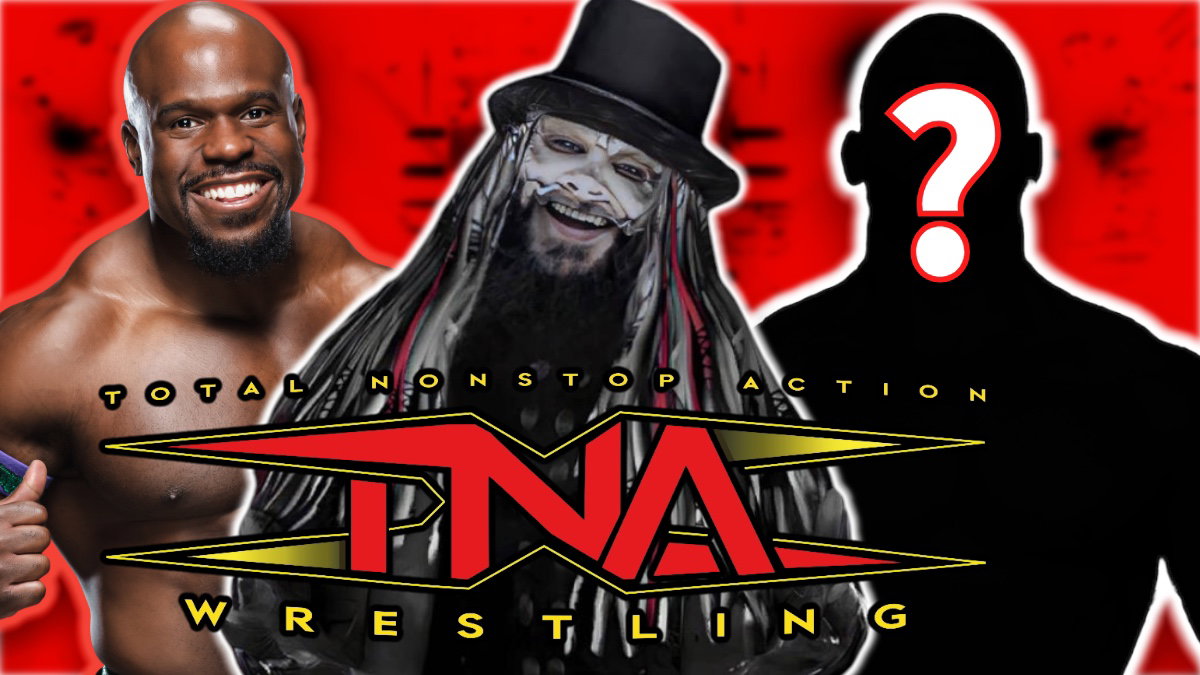
TNA is resetting the roster under a cloud of uncertainty
TNA Wrestling is currently in the middle of a significant structural overhaul. The promotion has confirmed seven new signings to stabilize a roster that has seen a steady stream of departures in recent weeks. For a company that relies heavily on its ability to manufacture stars from the independent circuit, losing established names creates a vacuum that management is scrambling to fill in real-time.
The promotion is navigating a complex window where behind-the-scenes staff and on-screen talent are both cycling out. This level of turnover is rarely smooth, and while new talent brings fresh matchups, TNA faces the immediate challenge of re-establishing its identity without the performers who carried the brand through the last eighteen months. Fans watching the product on a weekly basis are seeing a rapid shift in the lineup, which can often lead to a disjointed narrative flow.
A high-risk strategy for long-term depth
The decision to bring in seven new faces at once is an aggressive move. It signals that upper management wants to plug holes in the mid-card and tag team divisions before the next set of television tapings. However, the sheer volume of additions is a double-edged sword. Bringing in so many individuals simultaneously makes it difficult for the creative team to give each wrestler the necessary time to connect with the audience.
As WrestleTalk recently detailed, the influx is a direct response to a roster that had become depleted by recent exits. TNA has long functioned as a bridge for independent talent looking for national exposure. Striking the balance between serving as a developmental ground and maintaining a competitive product is a task that has defined the promotion since its inception. This iteration of the roster will likely rely on these new arrivals to prove their value before the end of the current quarter.
Analyzing the impact on the current product
Integrating new talent into established programs is a notoriously difficult task for wrestling bookers. If these athletes are siloed into their own storylines, the product risks feeling like a collection of disjointed matches rather than a cohesive show. Furthermore, the loss of veteran leadership during this transition period suggests that the newer, less experienced performers will be placed in spots they might not be fully prepared for yet.
The current state of the promotion reflects the volatility inherent in modern professional wrestling. Keeping a consistent fan base while swapping out a significant portion of the talent pool requires immense focus. TNA needs these seven signings to hit the ground running immediately; there is simply no runway left for trial and error in the current television climate. The pressure is on, and the upcoming pay-per-view cycle will serve as the primary litmus test for whether this roster shift was a necessary pivot or a desperate reaction to talent flight.
Critically, the promotion has not yet outlined a clear long-term direction for these newcomers. Relying on an influx of new bodies is a classic wrestling trope, but it often mask deeper fissures in the creative process. Unless TNA can provide these talents with strong character motivations and clear stakes, the signings will struggle to make a lasting impression on a fan base that has already seen dozens of departures over the past two years.
While bringing in fresh faces provides an immediate buzz, there is a tangible concern that the product is losing its continuity. Wrestling thrives on long-term storytelling, and that becomes difficult when the performers tasked with carrying the narrative are constantly rotating. This is a gamble by TNA ownership, and the success of the move depends entirely on how quickly the audience accepts these new faces as legitimate threats to the existing hierarchy.
Looking ahead, the market is saturated with options for independent talent. TNA must demonstrate that it is a destination for growth rather than a revolving door of contractors. If the new signees are relegated to filler roles in six-man tag matches or opening-segment losses, the move will rightfully be viewed as a failure of foresight. The window to stabilize is closing, and the next four weeks of programming will indicate whether this injection of talent has fixed the underlying issues or merely papered over them.
The company maintains that these changes are necessary to keep the programming fresh for viewers. From an industry perspective, this is a standard defensive maneuver for a mid-market promotion. Whether or not it drives subscriber growth or ratings spikes remains a secondary question compared to the immediate challenge of maintaining show quality. With the recent departures, the promotion is at a crossroads where failing to integrate this group could lead to a dip in quality that will be difficult to reverse.
In the final analysis, there is a clear divide between the names that have left and those coming in to replace them. The departures include performers with deep histories behind the curtain, whereas the new blood arrives as a blank slate. This provides a clean start, but it also increases the workload on the production team to build new gravitas for the incoming talent. Success in this business is not found in the signing of contracts; it is found in the execution of the mid-card push and the main event payoff.
TNA is wagering that the energy brought by these seven individuals will override the loss of the outgoing roster members. It is an ambitious bet on potential over reputation. If they get it right, TNA could emerge from this period of turmoil with a rejuvenated sense of purpose and a fresh crop of main-event contenders who are hungry for an opportunity that hasn't been promised to them elsewhere. If they get it wrong, the promotion will find itself searching for answers all over again before the autumn season begins.