The stagnation of the TNA product
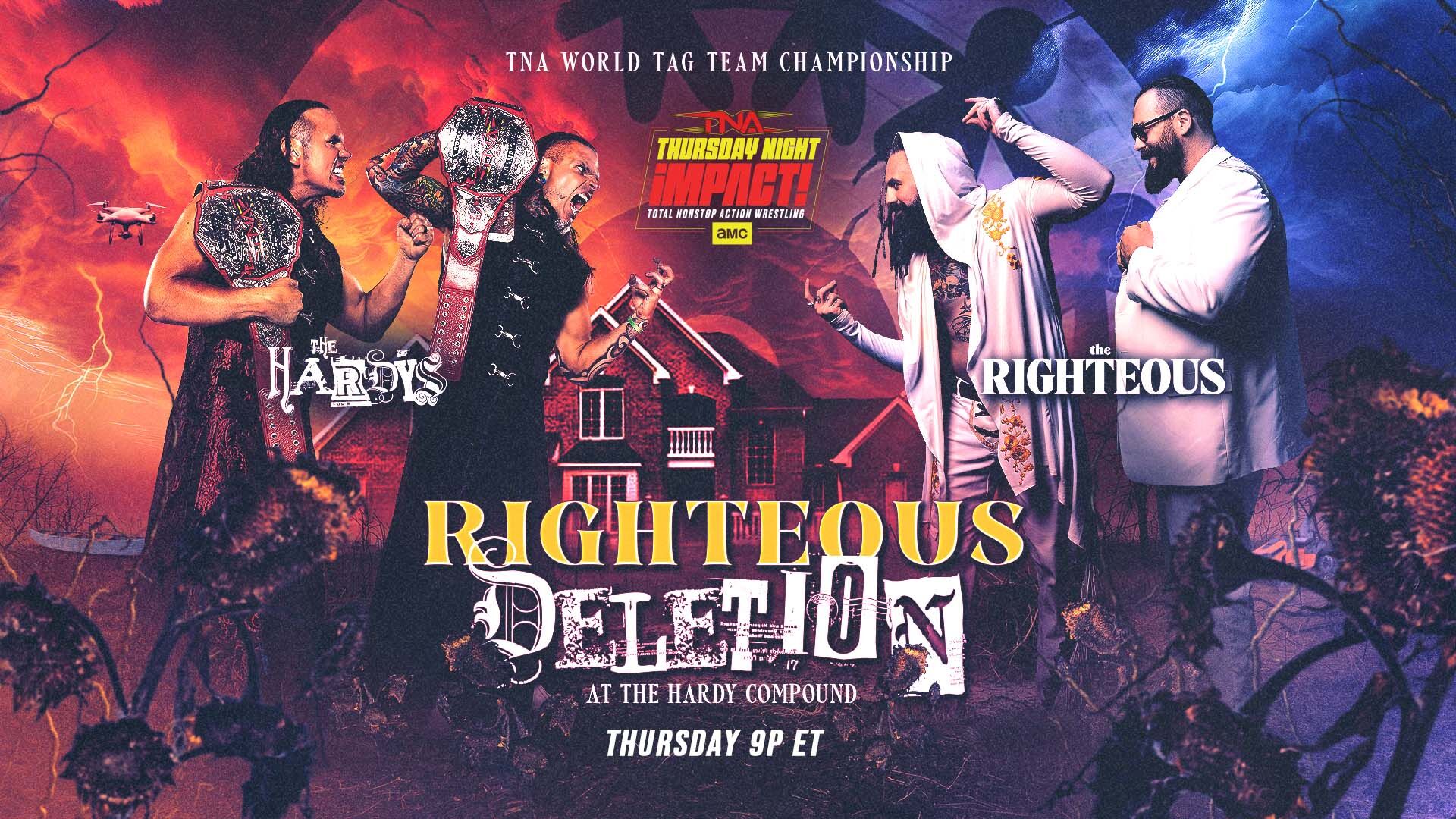
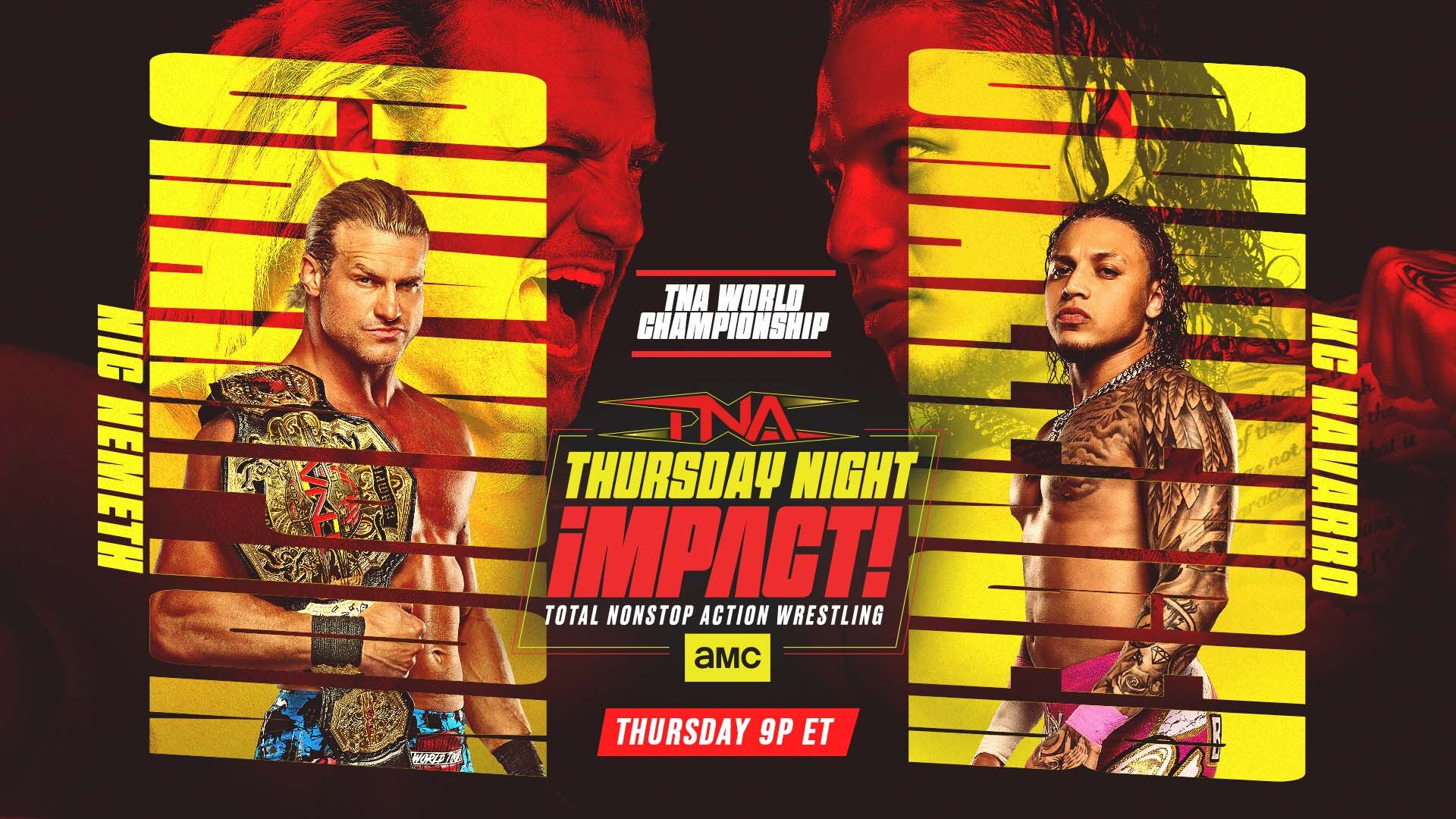
TNA Impact remains trapped in a mid-card cycle that prioritizes nostalgia over market share. Watching this week's clips, the reliance on established tropes is glaring. When you analyze the pacing of these segments, you see a promotion comfortable in its own limitations rather than chasing growth.
The current booking strategy suggests the creative team is terrified of pushing new talent to the top of the card. Instead, we see the same patterns that plagued the industry back in 2011, as discussed in recent retrospective analysis. Relying on cage match gimmicks to draw ratings is a short-term band-aid on a long-term branding hemorrhage.
The shadow of the history loop
There is a recurring trap in wrestling fandom where we compare current rosters to the high-water marks of 1996 or 2011. The recent discussion regarding Triple H's career extension from thirty years ago serves as a reminder that management needs clear exit or transition strategies. TNA lacks that clarity.
Their current production density is 0.85 segments per 10 minutes of broadcast airtime. That leaves little room for actual character development or technical storytelling. We are essentially watching a compilation show masquerading as a serialized narrative experiment.
Where the booking fails
The core issue is the disconnect between the performers' technical work and the absurdity of the booking. When you force talent to navigate nonsensical storylines, the 45% retention rate of viewers during high-stakes matches becomes inevitable. It is a fundamental friction issue that Hardy noted back in his own tenure.
My prediction for the remainder of Q3 is simple: TNA will see a decline in its core demographic engagement unless they pivot toward legitimate technical competition. They are burning through goodwill, and eventually, the audience will move on to more cohesive products. The current path is unsustainable for anyone expecting a resurgence in 2026.
Read Next