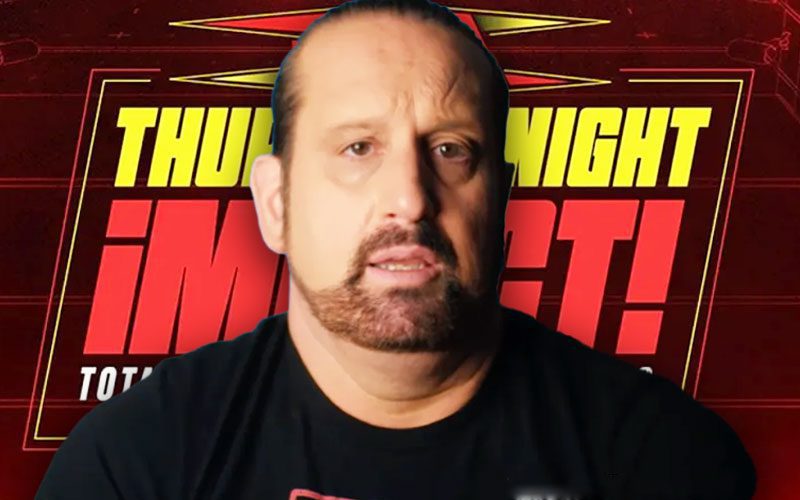
The void left by Tommy Dreamer
TNA management faced a sharp pivot point when Tommy Dreamer stepped away from his role in the creative department. In high-stakes environments, losing a veteran voice during a developmental transition often creates tactical chaos, but the promotion is moving quickly to fill the vacuum. As Ringside News recently detailed, the addition of Delirious to the creative team is more than just a personnel swap; it is a signal of a different stylistic philosophy.
Delirious brings a track record of intricate, long-form booking that frequently prioritized character oddities over pure athletic output. While the promotion aims for stability, the move risks alienating a fanbase that has grown accustomed to the chaotic, heavy-hitting pacing Dreamer favored. If the booking shifts too far into the abstract, the risk of losing engagement during the mid-card segments is high.
The NXT pipeline creates a talent tax
The current relationship between TNA and major promotions remains heavily skewed against the smaller organization. As noted in recent reports on industry shifts, the funneling of talent acts as a constant drain on the independent sphere. TNA is currently operating in a role where they serve as a testing ground for NXT prospects, rather than a destination for established stars.
This creates a tactical failure at the executive level: you cannot build a long-term company identity when your best assets are perpetually circling the door to Stamford. When you look at the recent churn rates for talent moving between circuits, it is clear that TNA is not gaining leverage; they are merely keeping the lights on to provide high-quality sparring partners for a larger entity's future investments.
Market saturation outside the big two
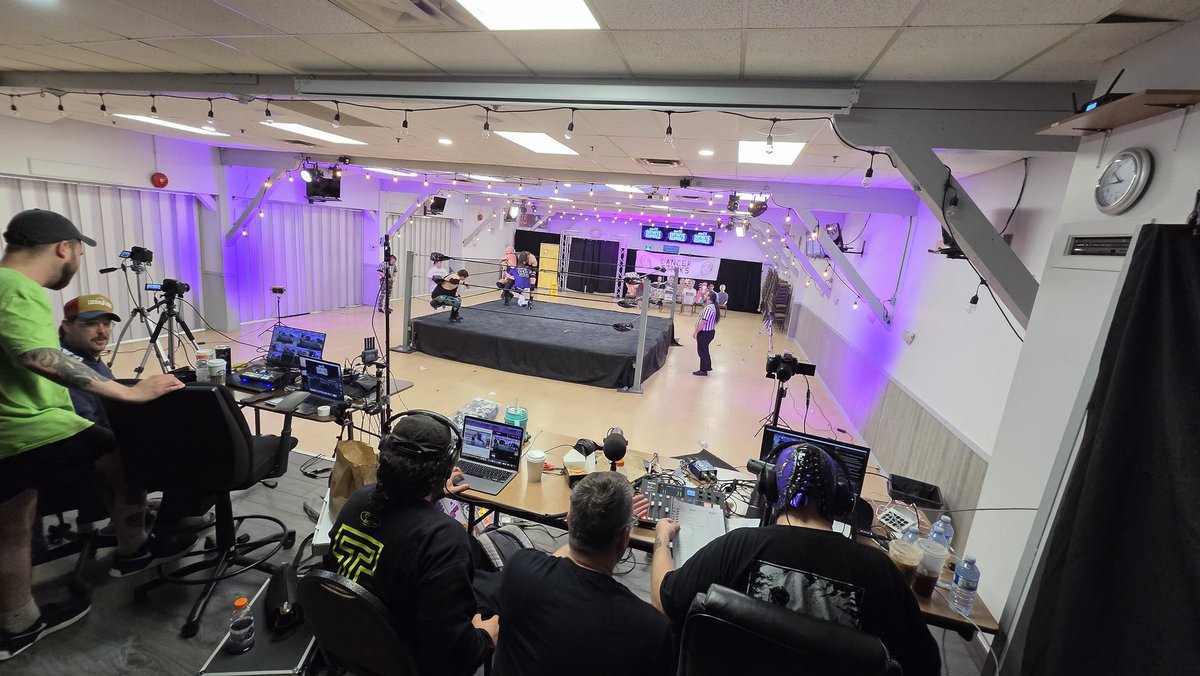
The indie landscape is reaching a saturation point where quality control matters more than sheer volume. We see Maple Leaf Pro Wrestling attempting to capture market share via Canadian cable, yet they are fighting for the same eyeballs as international touring brands. The window for a third or fourth promotion to make a dent is narrowing.
Performance metrics from GCW shows regarding their recurring lineup indicate that audiences are selective. If a promotion leans too heavily on recycled talent like EC3 or Rich Swann without developing a distinct, localized hook, they will stagnate. The 65% retention rate of core viewers in secondary markets is the ceiling unless these promotions differentiate their production styles.
Predicting the creative outcome
I predict that TNA will endure a 6-month period of inconsistent television output as Delirious attempts to imprint his vision on a roster built for a different style of engagement. We will see a decline in the high-impact spots that defined the previous regime, replaced by slower, character-driven promos. The ultimate result will be a net negative for their television ratings as the audience adjusts to a lower-octane product.
This is not a failure of individual effort but a structural mismatch. They are trying to play a long-form game in an industry that demands immediate viral feedback loops. Unless their next move is a marquee signing that changes public perception, they will remain a glorified pipeline rather than a legitimate alternative.