Backstage overhaul hits TNA's biggest summer showcase
TNA Wrestling is undergoing a massive, top-to-bottom structural reset that is currently threatening the long-term stability of its locker room. The company entered its Slammiversary 2026 pay-per-view in Boston on June 28 with a depleted roster and a completely revamped backstage hierarchy. What was originally booked to be a celebration of the promotion's premier summer showcase has instead turned into a damage-control operation to repair a fractured creative department and stem the bleeding of top-tier talent.
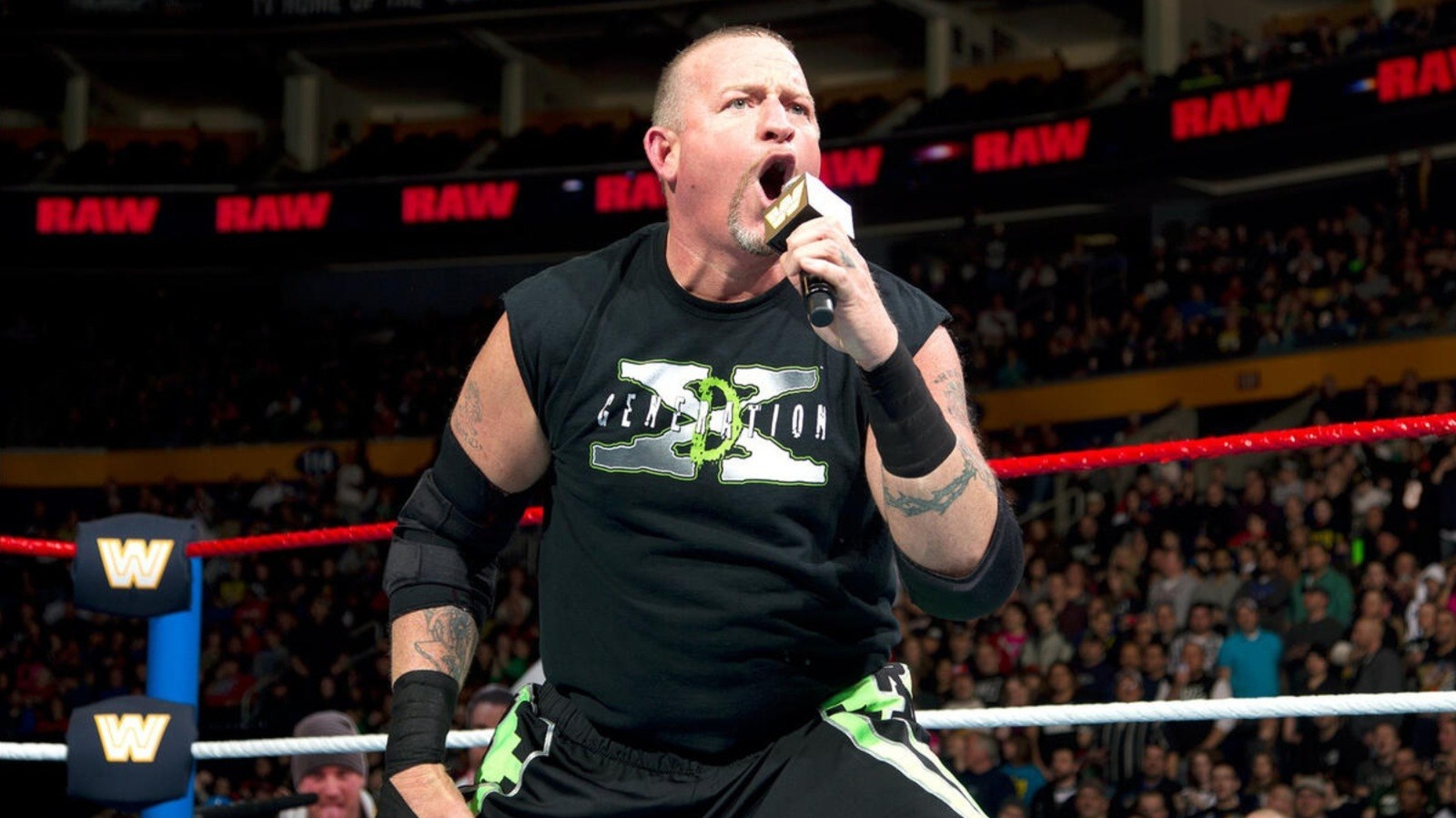
The backstage instability began with the sudden departure of Tommy Dreamer, who ended his tenure as Head of Creative after seven years of managing the promotion's weekly storylines. Dreamer served as the primary bridge between management and the locker room, and his exit left a massive developmental void behind the scenes. TNA executives scrambled to fill the gap by installing Hunter Johnson—better known as Delirious—as the head booker, though he will be supported by WWE Hall of Famer Brian James (Road Dogg) starting tonight at Slammiversary 2026 in Boston.
According to Dave Meltzer in the June 29, 2026 edition of the Wrestling Observer Newsletter, James is expected to make a quiet backstage transition rather than being announced publicly. James will not have final booking authority; instead, he will act as a creative producer alongside Vice-President of TV Production Eric Tompkins to assist Hunter Johnson in shaping the weekly television episodes. While James brings extensive WWE production experience, this sudden restructuring during a major pay-per-view weekend has left locker room sources questioning the company's long-term planning.
Maclin's departure exposes the cost of date-cutting policies
The backstage shakeup is only half the battle. TNA suffered a major roster blow when former TNA World Champion Steve Maclin requested and was granted his release. Maclin had been a main-event anchor during his five-year run, but growing friction over creative direction and pay cuts made his position untenable. This departure represents a severe tear in the main-event depth chart, leaving the roster thin during a major transition phase.
During a recent Instagram Live session, Maclin spoke candidly about his departure, pointing directly to creative frustration and administrative stagnation. He spent months pitching ideas to the creative team, only to watch them get repeatedly rejected by the booking committee. As Ringside News reported, Maclin felt his pitches were ignored despite his commitment to the product.
“TNA — I’ve been there for over five years, but things unfortunately changed there. Let alone, you pitch a good idea and get shut down even though it would be good for the company and for the show.”
The ultimate breaking point for Maclin was financial. TNA recently implemented date-cutting measures for weekly tapings, directly hurting the household income of talent on per-date contracts. Maclin asked TNA executive Carlos Silva for his release, which was granted on good terms, ending his run because he could no longer justify making TNA his primary commitment while others worked elsewhere.
The Callihan firing leaves backstage trust at an all-time low
The handling of former world champion Sami Callihan has further damaged locker room morale. When Dreamer's exit became imminent, Callihan believed he was heading into a meeting with executives to finalize a creative promotion. Instead, management blindsided Callihan by releasing him from the company, abruptly ending his near nine-year tenure.
Firing Callihan minutes after he expected a promotion sent shockwaves through the locker room. Wrestlers now question the transparency of the current management team led by Carlos Silva. This communication failure has eroded trust and left TNA without two of its most reliable veteran performers in Maclin and Callihan.
To fill the void, TNA is relying heavily on Eric Tompkins, whose backstage influence has grown. As Ringside News details, Tompkins gained significant capital after producing last week's AJ Francis segment, which drew praise backstage. However, combining a TV producer and a WWE veteran like Brian James to assist Johnson suggests a creative department designed by committee rather than a focused vision.
Historical context raises questions about the Delirious regime
History shows these shakeups are rarely smooth. The appointment of Hunter Johnson as head booker will draw immediate scrutiny. Johnson spent years as the head booker for Ring of Honor, where his booking style was criticized for being formulaic, eventually leading to a decline in audience engagement.
TNA's creative committee must balance Johnson's booking tendencies with Brian James's production-heavy style. James favors character-driven segments, which may clash with the athletic presentation TNA fans expect. Implementing these changes during Slammiversary weekend indicates urgency, but sudden adjustments rarely produce cohesive creative systems.
Competitors like WWE and AEW are positioned to profit from TNA's internal struggles. With TNA cutting dates and reducing pay, top performers are looking at their options. If the company continues to reduce its schedule, it risks becoming a feeder system for larger competitors offering stable schedules.
Diagnosing the strategic implications of TNA's budget cuts
The implications of TNA's date-cutting policy are severe. By reducing live events, the company saves on immediate production overhead but damages its roster depth. Wrestlers on per-date deals cannot afford to remain loyal to a promotion that actively reduces their earning potential.
Furthermore, booking by committee historically struggles in professional wrestling. A partnership between Hunter Johnson, Brian James, and Eric Tompkins risks creating a creative bottleneck where ideas are diluted. Management must address these financial concerns if they hope to stop the talent drain and establish a stable creative direction.