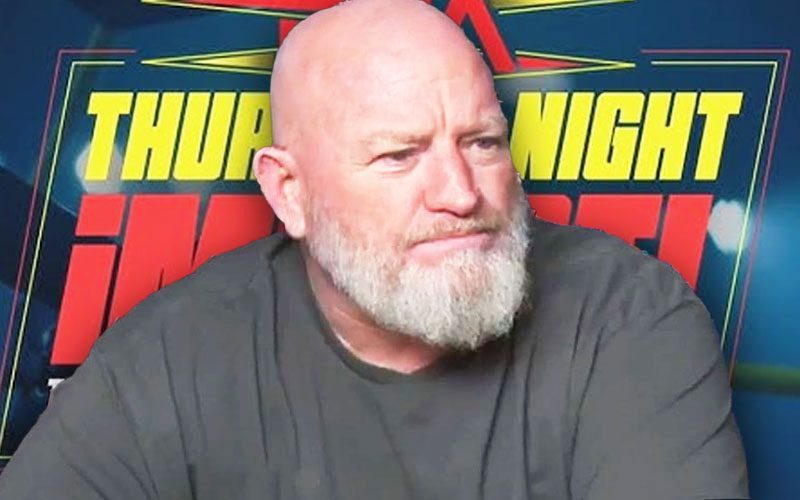
TNA Wrestling is dealing with a self-inflicted wound behind the scenes. The promotion’s push to revamp its backstage team has hit an administrative bottleneck. Brian James, known to fans worldwide as Road Dogg, was expected to stabilize a creative department currently operating shorthanded. Instead, he was a total scratch from the company’s recent television tapings.
James did not show up backstage for the iMPACT! tapings on July 1 and July 2, 2026. The sessions, held in Albany, New York, went ahead without the WWE Hall of Famer in the building. This absence comes as a surprise to many, especially after James made a high-profile appearance at the Slammiversary pay-per-view on June 28, 2026. That Boston visit was viewed by roster members as the start of a new backstage era.
The reality is that no contract has been signed. The two sides are still stuck at the bargaining table, trying to resolve contract details before James officially joins the team. It is a slow process that has left TNA’s creative department in a holding pattern.
The Albany Tapings and the Empty Chair
The Albany tapings were supposed to be the launchpad for a new creative direction. TNA is currently down a major writer following the departure of Tommy Dreamer. Dreamer’s exit left a significant gap in the writing room, leaving a depleted team to handle the weekly television product. James was identified as the ideal replacement due to his extensive experience running major weekly shows.
But the deal remains unfinalized, and the seat remained empty in Albany. According to reports, negotiations are still ongoing, but they did not progress fast enough to get James on a plane to New York. The promotion had to run its post-Slammiversary tapings with its existing, overworked staff. This administrative delay has forced TNA to stretch its current writers thin during a critical booking period.
Writers had to scramble to lay out the post-PPV storylines without knowing if James would soon override their decisions. This delay introduces unnecessary friction. TNA is attempting to build momentum, but administrative hurdles are slowing them down.
Negotiations Continue Behind Closed Doors
The situation was clarified by industry insiders who tracked the veteran’s movements. According to reports from PWInsider, the discussions between the two parties are still alive.
“We were told the two sides were still working out a deal for James, the former lead WWE Smackdown writer, to come in after his PPV visit.”
This indicates that his appearance at Slammiversary was more of an exploratory meeting than a formal debut, as documented in reports detailing where things stand between TNA and Road Dogg. James spent time backstage, spoke with key management figures, and assessed the locker room. The initial feedback was positive, but translating that positive energy into a signed contract is proving difficult.
“We can confirm those discussions are, as of today, still moving forward, but whatever the process is, they did not lead to him coming to this week’s TNA TV events.”
This negotiation drag is a classic pro wrestling contract hurdle. Money, creative control, and dates are all potential sticking points for a veteran of James’s stature. The former New Age Outlaw is not in a rush to sign, while TNA must balance its budget.
Historical Context: Road Dogg's Deep Roots in TNA
This is not James's first experience with the promotion. He has a long history with TNA that dates back to the early weekly pay-per-view era. Under the name BG James, he was a key figure in the mid-2000s locker room. He formed the popular 3Live Kru faction alongside Konnan and Ron Killings, establishing the group as a reliable act.
The team captured the tag titles, providing a stable presence. Later, James teamed with Billy Gunn to form the Voodoo Kin Mafia, shooting worked-shoot promos against WWE. Those runs established James as a backstage leader who understood the unique culture of TNA.
His return would represent a homecoming, but it also carries risk. Wrestling has changed since James last worked full-time in TNA. The promotion cannot rely solely on nostalgia to fix its current booking issues. Hiring a writer from the Triple H school of booking could modernize the product, but only if the contract terms allow him to work without corporate interference.
The WWE Relationship and NXT Crossover Implications
The strategic stakes are high for TNA due to their active developmental partnership with WWE NXT. The two promotions have exchanged talent regularly over the summer. Top stars have appeared on WWE television, drawing significant ratings spikes. Having a WWE Hall of Famer in the TNA writing room would strengthen this working relationship.
James is highly respected by WWE management. He served as the lead writer for SmackDown during a successful period and later worked as a coach and producer in NXT. His familiarity with WWE’s booking philosophy makes him the perfect liaison for these crossover storylines. He understands how WWE wants its talent presented on TNA television.
Without him, TNA risks mismanaging the NXT talent sent to their shows. Booking external talent requires delicate negotiations and a clear understanding of the parent company's goals. James possesses the institutional knowledge to navigate these waters. His absence in Albany means TNA had to handle these crossover bookings without his guidance, which could lead to creative missteps.
A Critical Look at TNA's Backstage Speed
The biggest critique of this situation is TNA’s lack of urgency. The departure of Tommy Dreamer was not a sudden event. Management knew they would need a replacement to handle the writing load. Letting Dreamer walk before securing James is a questionable administrative decision that has left the product vulnerable.
The Albany tapings suffered from this lack of direction. Rushed storylines and static character arcs were evident across the two nights of television. The promotion cannot afford to tread water when they have the attention of the wider wrestling world. They missed a golden opportunity to integrate James during a key transitional week.
This delay also sends a poor message to the locker room. Wrestlers want stability in the creative department. Operating with a temporary team leads to frustration and inconsistent performances. TNA needs to close this deal quickly to prevent backstage morale from slipping.
The Road to Philadelphia and the Recovery Timeline
TNA now has a narrow window to resolve this administrative issue. The company’s next television tapings are scheduled for July 30 and July 31, 2026, in Philadelphia, Pennsylvania. The venue is the historic 2300 Arena, a building known for its demanding, vocal fan base.
This gives management exactly 28 days to finalize a contract with James. If they fail to reach an agreement before then, they will be forced to produce another month of television with a shorthanded writing team. Entering Philadelphia without a clear creative leader would be a major mistake. The fans at the 2300 Arena will quickly reject a directionless product.
The timeline is tight, but achievable. Both sides want to make this partnership work. James wants to return to active creative work, and TNA desperately needs his experience. The next four weeks will determine if TNA can stabilize its backstage team or if this creative void will continue to plague their television product.