The Fallout Escalates
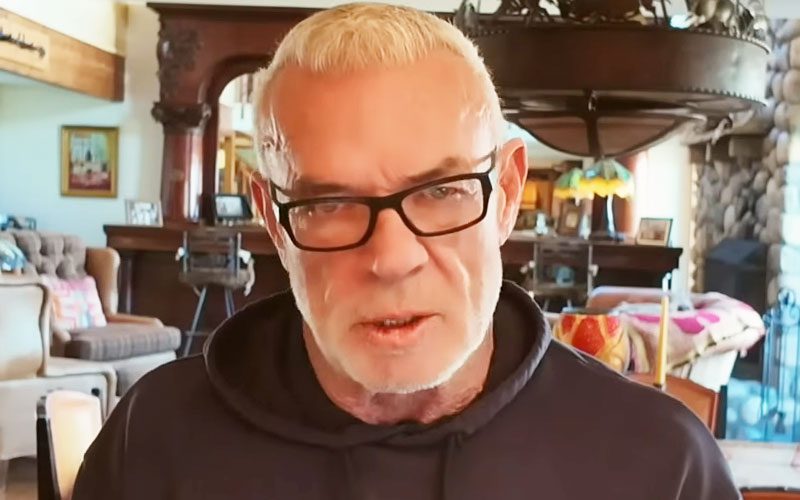
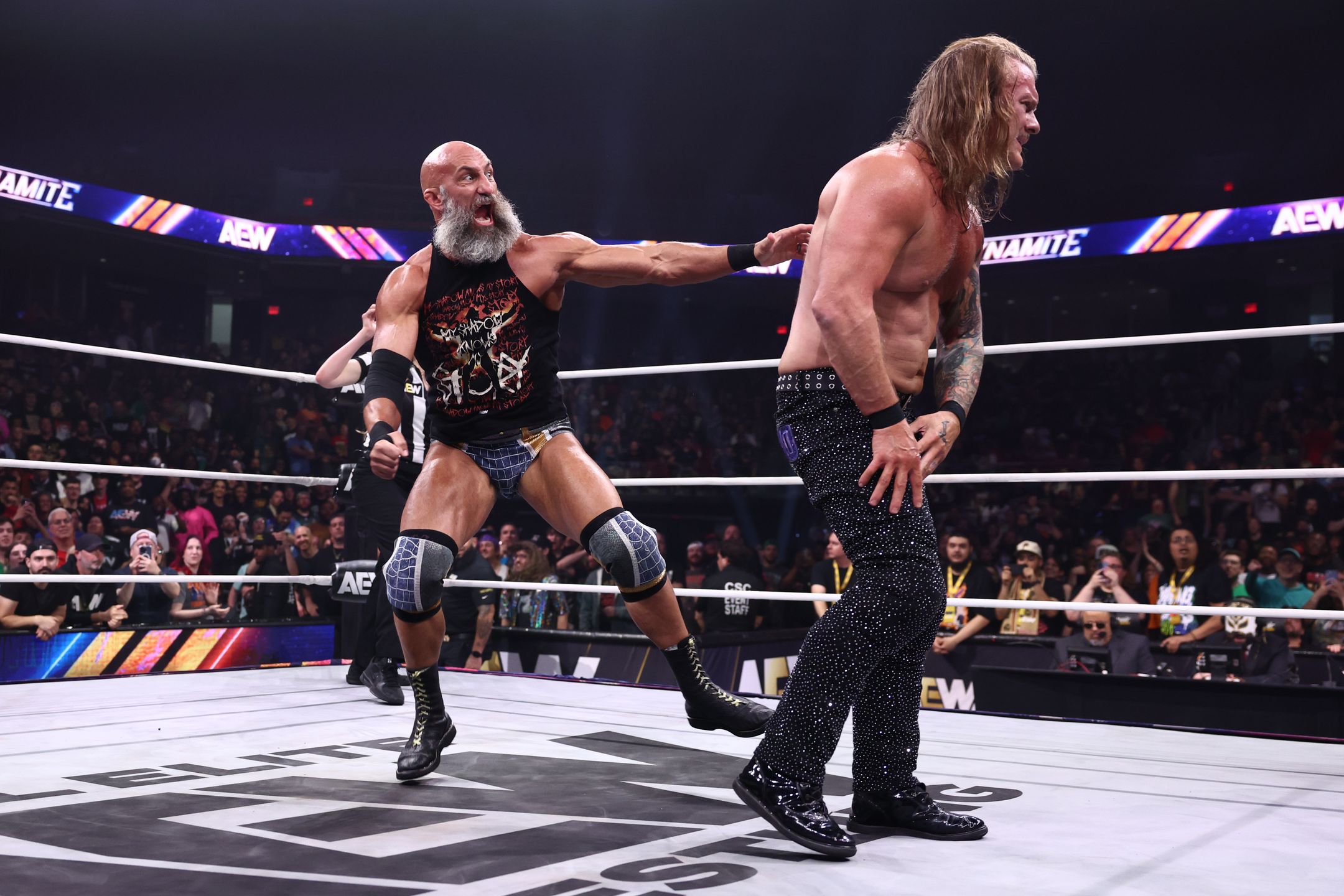
Tommy Dreamer is facing significant institutional blowback following his recent departure from TNA. A series of independent wrestlers have stepped forward to allege unprofessional behavior, specifically regarding unscripted and unwanted contact during independent bookings. These claims, emerging rapidly since his exit, center on allegations of predatory behavior during match layout and execution.
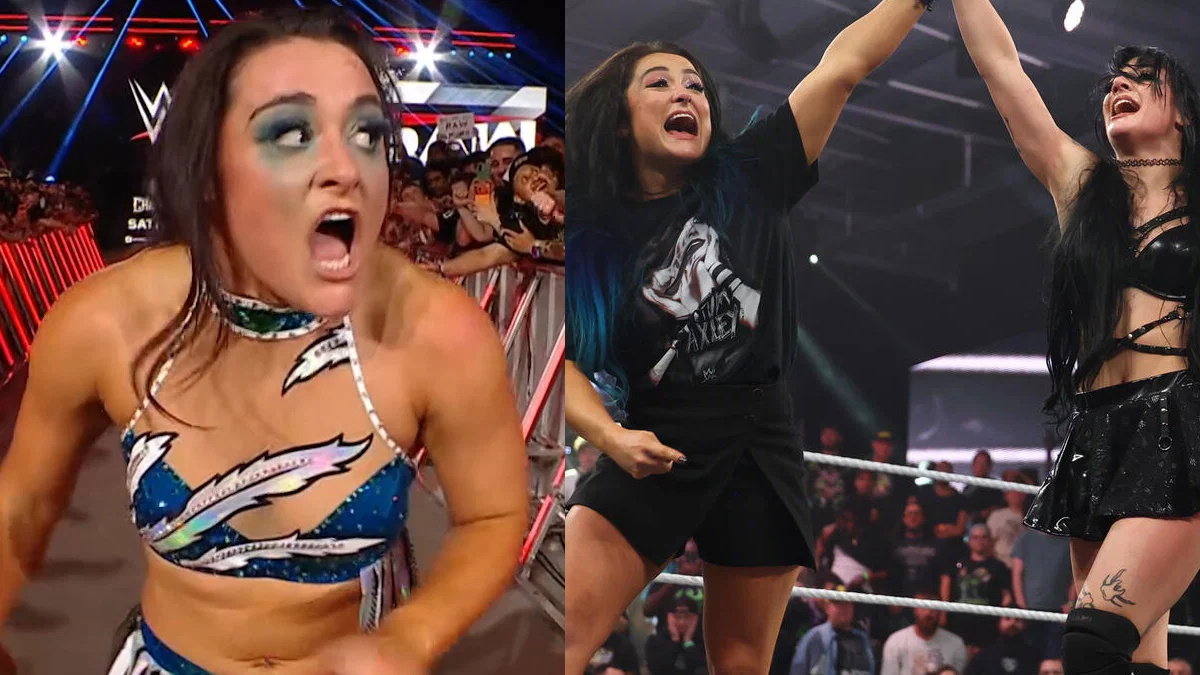
Multiple performers, including Dani Jordyn and Kennedi Copeland, have publicly detailed uncomfortable interactions. The specific allegations involve persistent pressure to execute spots involving non-consensual physical contact, such as a spanking maneuver and an unwanted grab. These reports suggest a pattern of behavior where Dreamer allegedly leveraged his seniority to force segments that performers felt pressured into accepting to remain in his good graces.
The Industry Response
The wrestling community is currently divided in its perception of these allegations. While many active talents are highlighting their negative experiences, other figures from within the industry have publicly offered defense. Missy Hyatt recently voiced support for Dreamer, signaling that defense lines are being drawn based on past working relationships rather than the specific nature of the recent claims.
Michael Elgin has publicly disputed the allegations, stating he never personally witnessed Dreamer mistreating talent during his tenure in TNA. This defensive posture from current and former colleagues echoes a common historical trope in wrestling: the tendency to prioritize internal loyalty over the accounts of subordinates. It creates a fractured narrative where the veracity of the claims is secondary to the tribalism of the locker room.
Strategic and Historical Precedent
The situation carries hallmarks of previous industry scandals where informal "vet" culture shielded toxic behavior. When veterans exert control over talent positioning, the power imbalance often precludes junior wrestlers from successfully saying no. As reported by F4WOnline, the inclusion of multiple testimonials demonstrates that this is not an isolated incident. The compounding nature of these stories makes a quick resolution or public rebranding attempt incredibly difficult for Dreamer.
TNA management now faces a PR crisis. The company must decide whether to distance itself definitively from these events or remain neutral while investigations occur. Historically, promotions that fail to act swiftly when talent-on-talent misconduct allegations surface often suffer long-term damage to their recruiting pipeline. Companies such as Ringside News have tracked the escalation of this story as it evolved from rumors to on-the-record accounts.
Analyzing the Evidence
The core of the issue lies in the lack of professional boundaries during the development of match spots. Wrestling is a contact sport, but the consensus within talent circles is that consent for specific physical acts must be explicit. Critics argue that even if Dreamer viewed these moments as improvised comedy or shock value, the failure to respect the boundaries of his opponents reflects a fundamental flaw in his approach to the ring.
The accusation regarding a push for an unwanted crotch grab remains the most severe detail currently surfacing. If confirmed, this moves the conversation beyond poor taste and into the category of physical assault. While Dreamer has not yet issued a comprehensive public rebuttal to every individual claim, the sheer volume of emerging stories puts his future bookings in a precarious position. The industry is watching to see how independent promoters handle these allegations, as many are now reassessing their willingness to feature him on future cards.
Future Implications
The immediate impact is a total cessation of his current momentum. Promoters are risk-averse; they avoid hiring talent currently embroiled in public accusations of misconduct. Whether these allegations hold legal weight or simply court of public opinion, the commercial value of his brand has dropped significantly. We are seeing a negative trend in his ability to secure high-profile dates for the remainder of 2026.
This case serves as another reminder of why locker room culture requires formalization. When veteran status allows for the circumventing of standard safety protocols, talent safety suffers. As F4WOnline reported, the conversation has moved to a wider discussion on professional conduct standards. The current fallout for Dreamer is a direct result of decades-old norms finally grating against a more stringent modern expectation for behavior. Failure to adapt to these norms has left him exposed, with few options to mitigate the professional damage mounting by the day.