The Market Shift
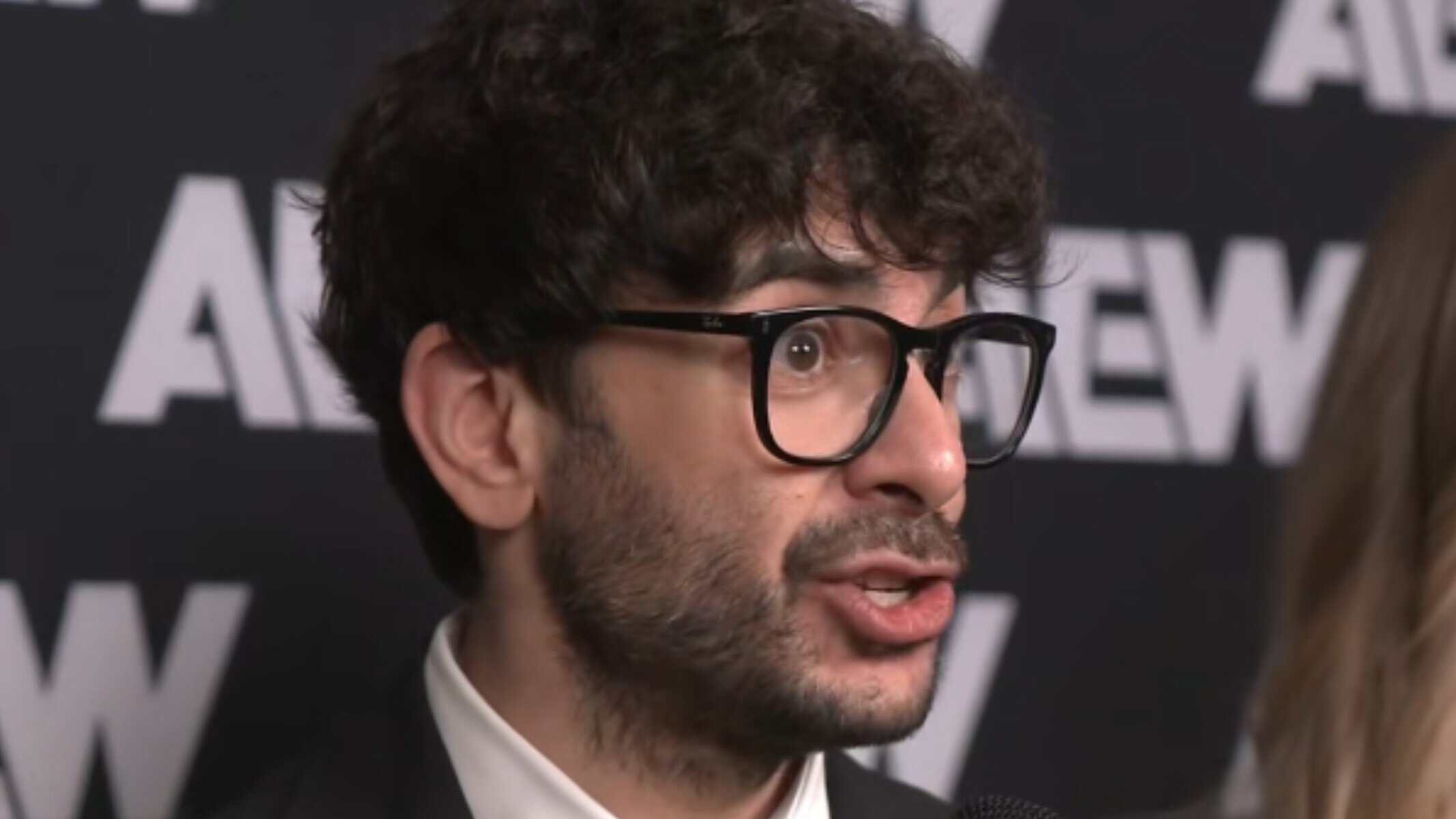
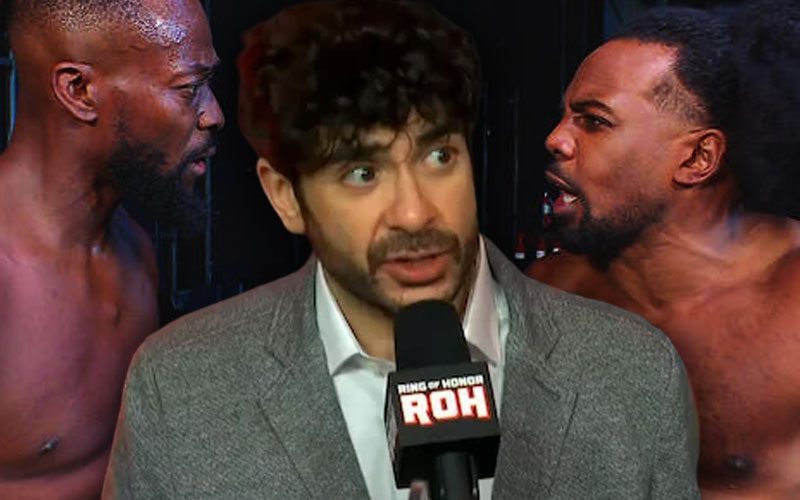
AEW remains hungry. With a wave of high-profile contracts hitting the open market this summer, Tony Khan is once again positioning his promotion as the primary destination for restless talent. The current cycle of free agency, which began heating up in April 2026, has seen several former WWE names testing the waters elsewhere. Khan’s willingness to expand his roster is no secret, but the focus this time suggests a tactical change in how he approaches veteran utility players versus high-ceiling indie talent.
Reports indicate that AEW’s recruitment strategy has shifted from sheer volume to targeted acquisitions that fill specific voids. The promotion is currently light on established mid-card heels who can anchor secondary television angles while the main event scene orbits around the AEW World Title. Recent comments from Tony Khan suggest he is monitoring the expiration dates of various talent contracts closely. This is the hallmark of a promoter who prefers to strike when a competitor’s roster management policies lead to friction behind the curtain.
The Trajectory of Current Targets
Most of the names surfacing in current discussions are not just looking for a new paycheck. They are looking for creative freedom, a resource that many find drying up in larger, more rigid corporate structures. AEW provides a specific pace of work and a style of in-ring presentation that favors high-impact, athletic sequences over long-winded scripted segments. This suits veterans who want to shift their focus toward putting on technical clinics.
However, the skepticism remains valid. Bringing in too many names at once often leads to the same problem that plagued the company during the 2022 expansion: bloated television time and forgotten storylines. If Khan brings in another influx of talent without trimming the back end of his roster, the show will continue to feel cluttered. Fans have already noted concern over the frequency of squash matches used to justify the current depth chart size. A marquee signing is useless if they don't have a clear path to a meaningful program within their first 90 days on the roster.
The Potential Fit
Why would a talent choose AEW right now? The answer is schedule. For wrestlers who logged heavy transit hours for the better part of a decade, the lighter travel requirements of the AEW calendar offer a significant lifestyle upgrade. The creative environment is looser, which allows for more character experimentation, provided the wrestler can cut a compelling promo without a teleprompter. Someone who thrives on physical storytelling without the need for constant narrative hand-holding will likely find a comfortable home in Jacksonville.
The creative direction potential here is high if the incoming talent understands the audience. AEW fans value the work rate above almost everything else. A technician arriving from WWE might find they need to tighten up their selling and increase their pace to match the expectations of the Dynamite crowd. Those who adapt to the faster tempo usually see their stock rise within weeks. Those who fail to adjust often end up languishing in purgatory on Rampage or Collision.
Probability Assessment
Sources close to the negotiations suggest that at least two high-level deals are in advanced stages. Given the timeline of the current free agency cycle, the probability of at least one major debut appearing before the end of the third quarter is high. I would peg the likelihood of a significant roster addition arriving within the next 6 weeks at roughly 75 percent. Khan is rarely one to let a vacuum in his lineup persist for long when high-value assets are sitting on the sidelines.
We should expect the debut to be handled with the typical spectacle Khan enjoys. Do not be surprised if this happens during a major television taping rather than a pay-per-view. With the current momentum of his flagship show, he will look to keep the ratings spike consistent through the autumn months by front-loading these surprises. It is a calculated play for eyes on screens.
Projected Strategic Impact
If these deals close, the fallout will be felt in the mid-card balance of power immediately. Adding a veteran who can work 20-minute matches with the current roster turnover would stabilize the secondary championships, which have struggled for consistent heat this year. The biggest risk is creative stagnation for existing stars who might see their screen time cut to accommodate the new arrivals. Management needs to be ruthless with their current roster to ensure the new faces actually move the needle rather than just adding to the noise.
Read Next