The Defining Shifts of 2026
The first half of 2026 has been marked by a transition from star-power reliance to high-stakes narrative gambles. While booking remains inconsistent, talent is finding ways to force change in the ring.
10. The Ascent of Independent Technical Staples
We saw a surge in high-workrate matches on secondary shows this spring. These technicians are finally breaking into title contention without needing a corporate-backed gimmick. The technical output in these bouts is objectively higher than the main event scene right now.
9. Anthony Bowens Attempts a Solo Pivot
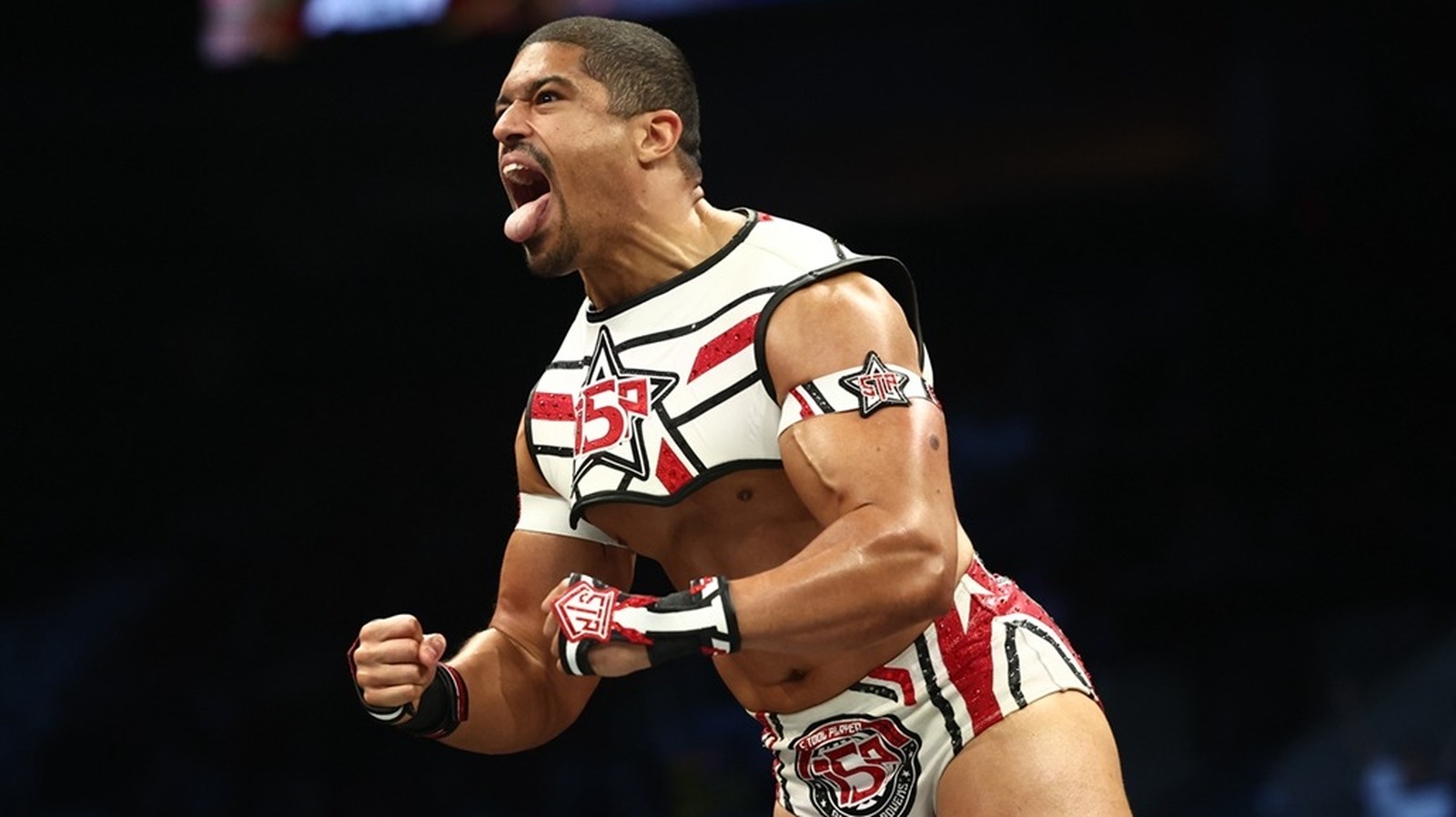
Anthony Bowens recently defended his, at times, polarizing transition into singles competition. As Wrestling Inc recently detailed, the shift was necessary to test his ceiling outside of tag team psychology. The execution remains uneven, often stalling during promo segments, but the risk displays a hunger that many protected veterans lack.
8. The Return of Stiff Striking Styles
After a period of floaty, choreographed spots, the pendulum swung back. Wrestlers like those in the mid-card are opting for heavy strikes that resonate with the ringside mics. It makes the matches feel like actual combat rather than coordinated dance routines.
7. Tag Team Division Rejuvenation
Tag wrestling finally stopped being an afterthought for the major promotions. We saw consistent 20-minute matches that prioritized double-team maneuvers over solo transitions. Consistency, however, remains a problem, as some weeks focus entirely on mid-card brawlers.
6. The Main Event Title Inflation
Too many wrestlers are holding championship titles right now, diluting the prestige. When every show closes with a belt on the line, the gravity of a title match evaporates. It is a booking strategy that prioritizes short-term viewership over long-term character prestige.
5. The Rise of Real-Time Audience Feedback
Performers are increasingly using crowd noise to dictate match pacing in real-time. This is forcing referees to communicate faster, which has lead to some hilarious botches on live feeds. Still, the agility displayed by the talent when things go sideways is impressive.
4. Women's Division Main Event Consistency
The women's divisions have hit a stride where they occupy the final slot of premium events more frequently. The in-ring quality has reached a point where putting them anywhere but the main event feels like a reach. Their heat retention during these segments is currently higher than the men's heavyweight roster.
3. The Death of the Predictable Run-In
Promoters have started subverting the classic post-match distraction sequence. We are seeing more clean finishes than at any point since 2023, which adds mystery to the final minutes of a broadcast. Every time a match hits the 22-minute mark, I am actually surprised we get a definitive pinfall.
2. The Integration of Experimental Long-Form Bouts
The push for longer matches, even on weekly television, has forced a higher level of cardio conditioning. It rewards endurance, though it occasionally turns a tight 15-minute story into a slog. When it lands, though, the climax feels earned rather than forced by timing.
1. The Shift to Talent-Led Creative Freedom
The best moments of 2026 have come from talent taking ownership of their own segments. When performers stop reciting scripts and start reacting to their opponents, the authenticity spikes. This shift is the single most effective tool the industry has in its toolbox for retaining viewers, provided they don't lose control of the narrative entirely. Honorable mentions go to the return of classic cage match staples and the improved production value of pre-taped segments.