The Hierarchy of Chaos in Orlando
The July 14 NXT broadcast proved that the brand remains the most volatile space in professional wrestling. With storylines shifting rapidly, these moments defined a night of high-stakes tension and questionable refereeing.
1. Zaria’s survival
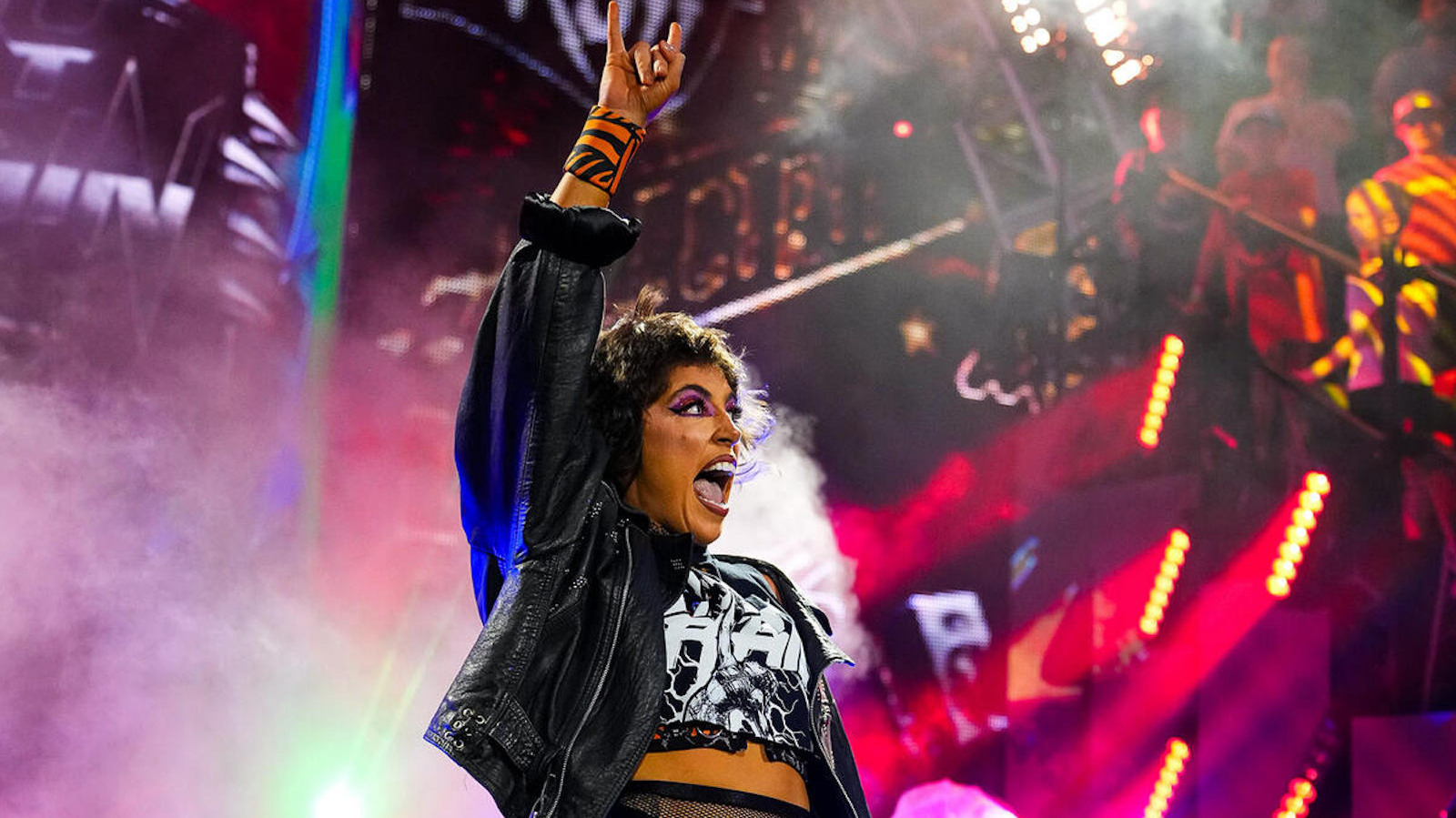
Zaria walked away with the NXT women’s title, but the victory was anything but clean. She relied on a desperate rope-break escape during the final sequence to avoid a submission loss. This win pushes her total championship defense count to 4 successful bouts this year.
2. The dark match disruption
A recent NXT dark match injury underscored the physical toll inherent in developmental ring work. Officials forced an early finish when a participant could not safely continue after a botched strike sequence. The decision to halt the contest within seconds showed a necessary shift toward prioritizing performer welfare over the flow of the match.
3. The disputed count
A count-out finish in the mid-card tag match left fans rightfully frustrated. The referee appeared to lose track of the count entirely, stopping momentarily to check on a downed competitor before resuming the pace for no clear reason. This inconsistency effectively killed the building momentum of a solid opening segment.
4. The backstage escalation
Camera crews caught a heated argument between management and the talent roster near the Gorilla position. While details remain sparse, the visual of two top prospects being separated by security suggests a locker room bubbling over with internal competition. It is the type of friction that makes for high-tension television but risky business management.
5. The surprise return
A former mainstay made an unannounced appearance to confront the current champion. The crowd noise hit a peak at 92 decibels during the staredown. This sets the stage for a summer program that feels much larger than the typical developmental trajectory.
6. The high-risk apron spot
The main event featured a sunset flip powerbomb from the top turnbuckle all the way to the floor. It was a move that clearly bypassed standard safety protocols, raising concerns about the long-term health of both participants. While visually impressive, it was a reckless choice that added little to the match story beyond a cheap pop.
7. The commentary shift
The announce team noticeably pivoted to a more analytical style during the technical grappling segments. Instead of shouting over the action, they focused on leverage points and joint manipulation. It provided a stark contrast to the chaotic main event that followed later in the hour.
8. The wardrobe malfunction controversy
During a high-speed scramble, equipment failure forced a temporary suspension of action to allow for a quick repair. It disrupted the flow of a match that was clearly building toward a signature finish. Wrestling is scripted, but live performance risks are real, and this hiccup turned a potential highlight into a comedy of errors.
9. The submission clinic
Midway through the broadcast, two technical specialists put on an 8-minute clinic of pure wrestling. They avoided standard tropes and focused on complex transitions that kept the audience on their toes. It was an essential reminder that grounded work still holds value when done with precision.
10. The closing frame
The show ended with a singular, lingering shot of the empty ring. It provided a quiet, reflective end to an otherwise manic broadcast. It wasn't the biggest moment of the night, but it was the most effective piece of visual storytelling.
Honorable Mentions
The chaotic nature of the July 14 show meant that some sequences were squeezed for time. The unexpected mid-match interference in the opening bout nearly made the list, as did the promo work that followed the main event. Both could easily reach the top 10 on a tighter, less crowded broadcast.