The Big Picture
Professional wrestling is defined by the thin margins between sustained momentum and creative stagnation. These ten moments represent the inflection points where the industry shifted, whether through brilliant execution or baffling decision-making.
The Ranking
10. The Street Profits Win World Tag Team Titles (2026)
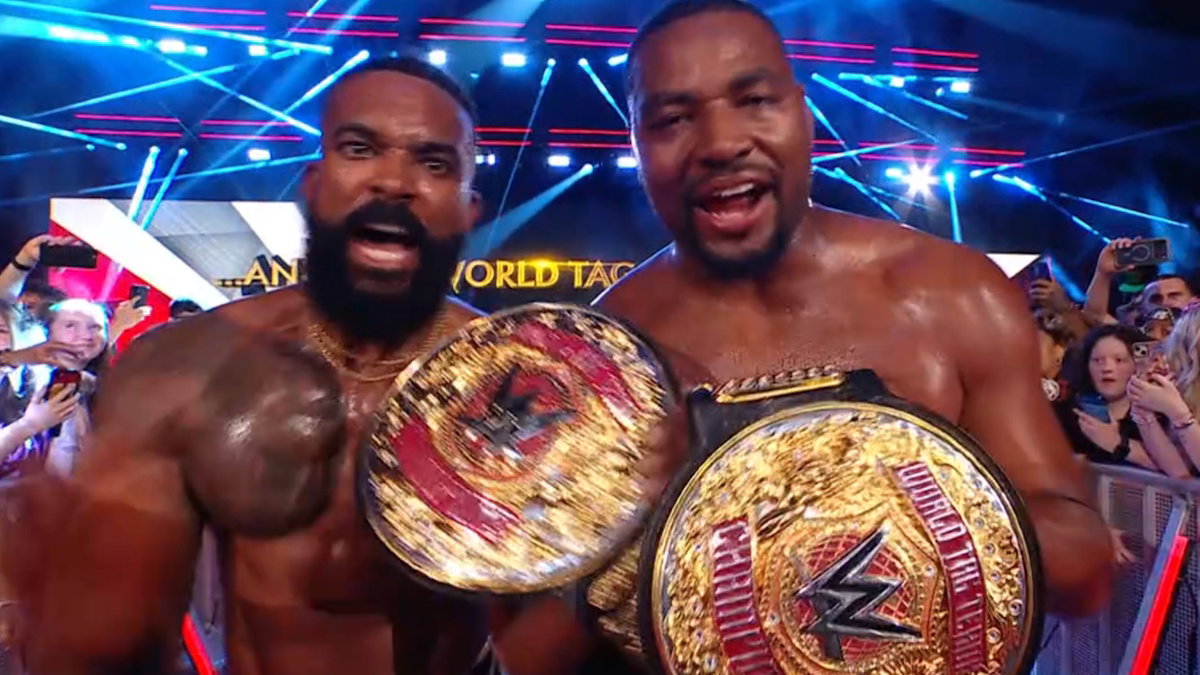
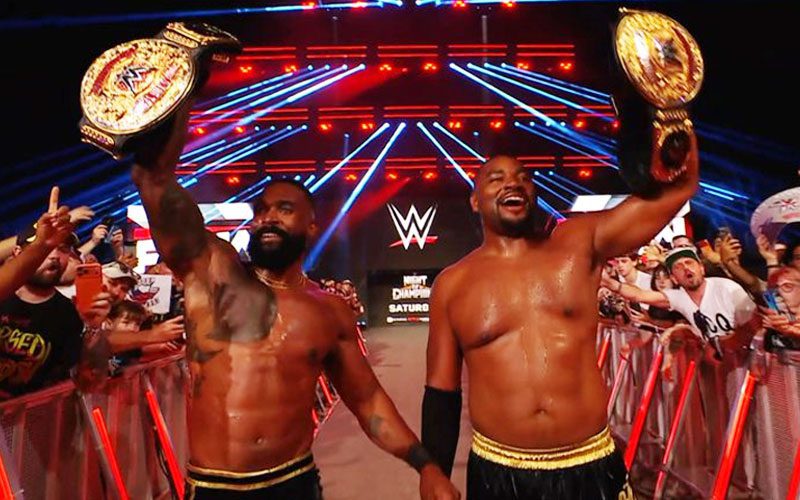
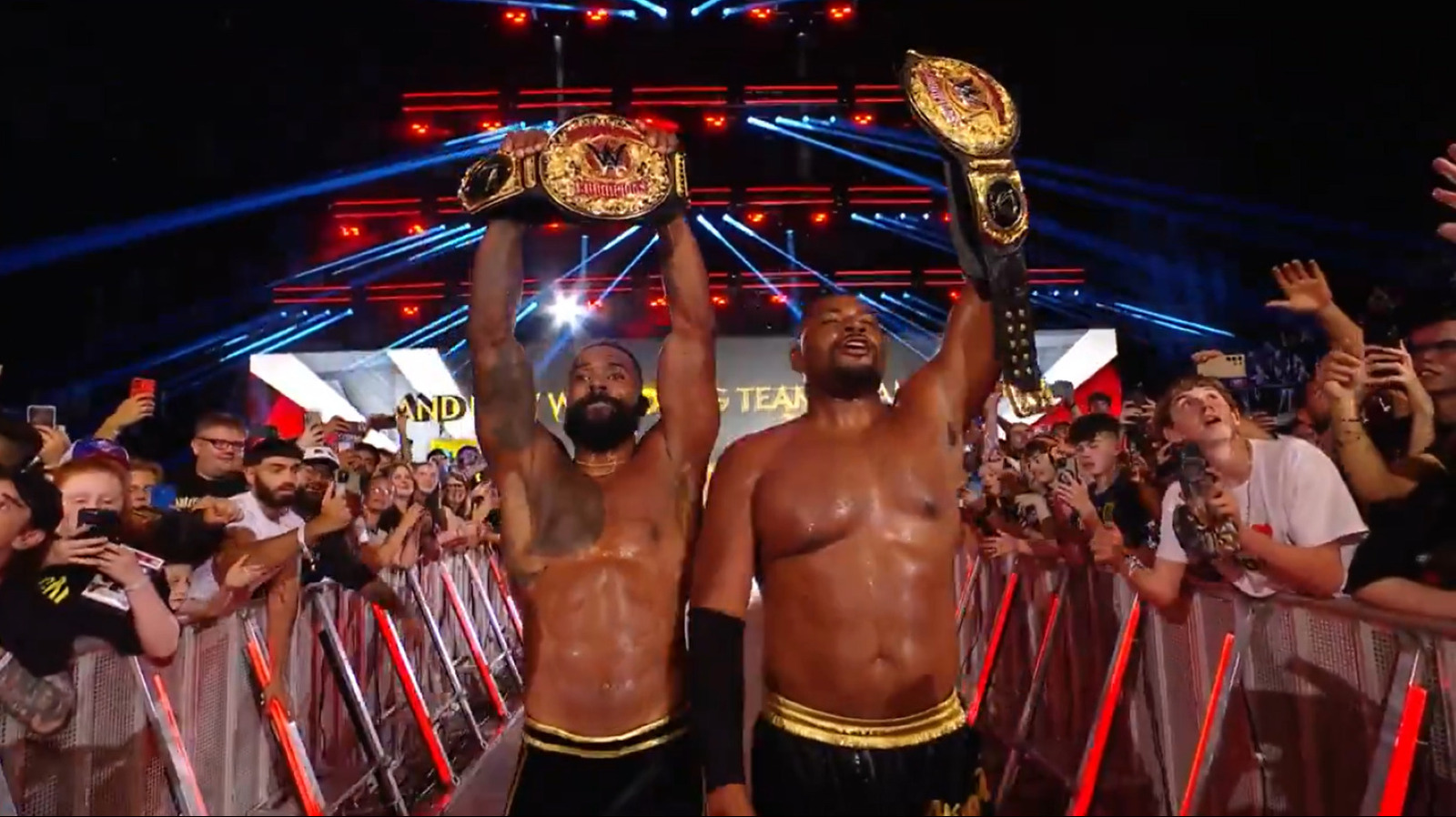
Montez Ford and Angelo Dawkins secured the World Tag Team Championship on Raw in a frantic finish. By utilizing outside interference, the pair finally dethroned the Vision in a match that prioritized chaos over technical precision. While the win provides a fresh dynamic for the Raw division, the reliance on external interruptions feels like a tired booking crutch. As Wrestling Inc reported, the interference-heavy finish leaves questions about the long-term legitimacy of this title reign.
9. The Rise of Bron Breakker
Bron Breakker moved from NXT dominance to a featured spot on the main roster with terrifying speed. His physical intensity is unmatched, yet his character work remains prone to sudden shifts in temperament. He earns this spot because he forces established veterans to work harder just to keep pace with his raw power. The booking often leans too heavily on his bloodline, which threatens to overshadow his actual in-ring growth.
8. Austin Theory's Failed Cash-In
The decision to have Austin Theory cash in his Money in the Bank briefcase on the United States Championship remains one of the most polarizing creative choices in recent memory. It effectively signaled a lack of long-term belief in his potential to carry the top prize. By wasting the most important gimmick in the company on a secondary belt, the office inadvertently kneecapped Theory’s main event trajectory for eighteen months. He has since recovered, but the missed opportunity is impossible to ignore.
7. The Joe Hendry Crossover
Joe Hendry’s ability to generate viral engagement has forced every major promoter to rethink how they evaluate talent acquisition. His music, branding, and charisma transcend standard wrestling metrics, making him a unique case study in modern fame. Critics argue his act is better suited for internet variety shows than high-stakes wrestling programs. However, when he steps into the ring, the crowd response is 100 percent authentic energy every single time.
6. Seth Rollins' Title Defense Streak
Rollins proved that a workhorse champion can sustain main event interest even when creative direction turns aimless. His series of defenses throughout 2024 set the bar for in-ring consistency, often hitting the 25-minute mark on weekly television. The flaw here was the frequent lack of a compelling narrative thread accompanying these matches. He was wrestling at a world-class level while the writers struggled to provide him with a coherent antagonist.
5. The Unification Logic
Merging the top championships was framed as a necessity to create a single, undisputed focal point for the product. In practice, this left the undercard talent with nothing to fight for during long stretches of the calendar. The storytelling became bogged down in three-hour broadcasts where the primary tension was rarely resolved. It was an ambitious experiment that highlighted the company's inability to write for two separate rosters simultaneously.
4. The Return of Stables
The industry saw a return to the faction-heavy structure of the late 90s, focusing on distinct groups like the Judgment Day and similar units. This allowed for multi-man feuds that kept the main event scene occupied without burning through one-on-one matches too quickly. A major downside is that these factions often devolve into repetitive tag match formats. Every week feels like a slight remix of the previous seven days, dulling the impact of the payoff collisions.
3. The Global Expansion
Taking events to stadiums in international markets has fundamentally altered the financial health of the business. By leveraging massive stadium crowds, the company has created an atmosphere that makes television sets look small by comparison. The trade-off is a predictable booking style designed to play to the back row rather than tell nuanced stories. The spectacle is massive, but the intimacy of the sport is frequently sacrificed for the sake of the gate.
2. The Refinement of the Mid-Card
The mid-card titles have regained a level of prestige through the Intercontinental and United States championship pursuits that was missing for over a decade. Wrestlers like Gunther and others have established that a secondary title can be the best match on any given card. These stories function as the workhorse engine of the industry. It is where the genuine, unscripted breakthroughs happen, provided the booking stays out of the way of the talent.
1. The Evolution of the Pay-Per-View Model
The shift to a premium streaming-first delivery model has changed how every match is structured. Producers now treat matches as chapters in a serialized script rather than standalone sporting events. This allows for longer-form storytelling across months, but it also creates a dependency on cliffhangers. It is a win for the bottom line, even if it forces the audience to commit to a 52-week cycle of engagement to make sense of the programming.
Honorable Mentions
The sudden emergence of high-flying talent in the cruiserweight division deserves a nod for keeping the opening bouts relevant. Additionally, the recent experimentation with documentary-style vignettes has provided needed depth for mid-tier performers. Both elements keep the broadcast from feeling one-dimensional, even if the primary storylines occasionally falter under the weight of expectations.