The Big Picture
Professional wrestling thrives on the intersection of reality and theater. These ten moments represent the inflection points where the industry shifted, either through technical excellence, booking audacity, or plain chaos.
The Rankings
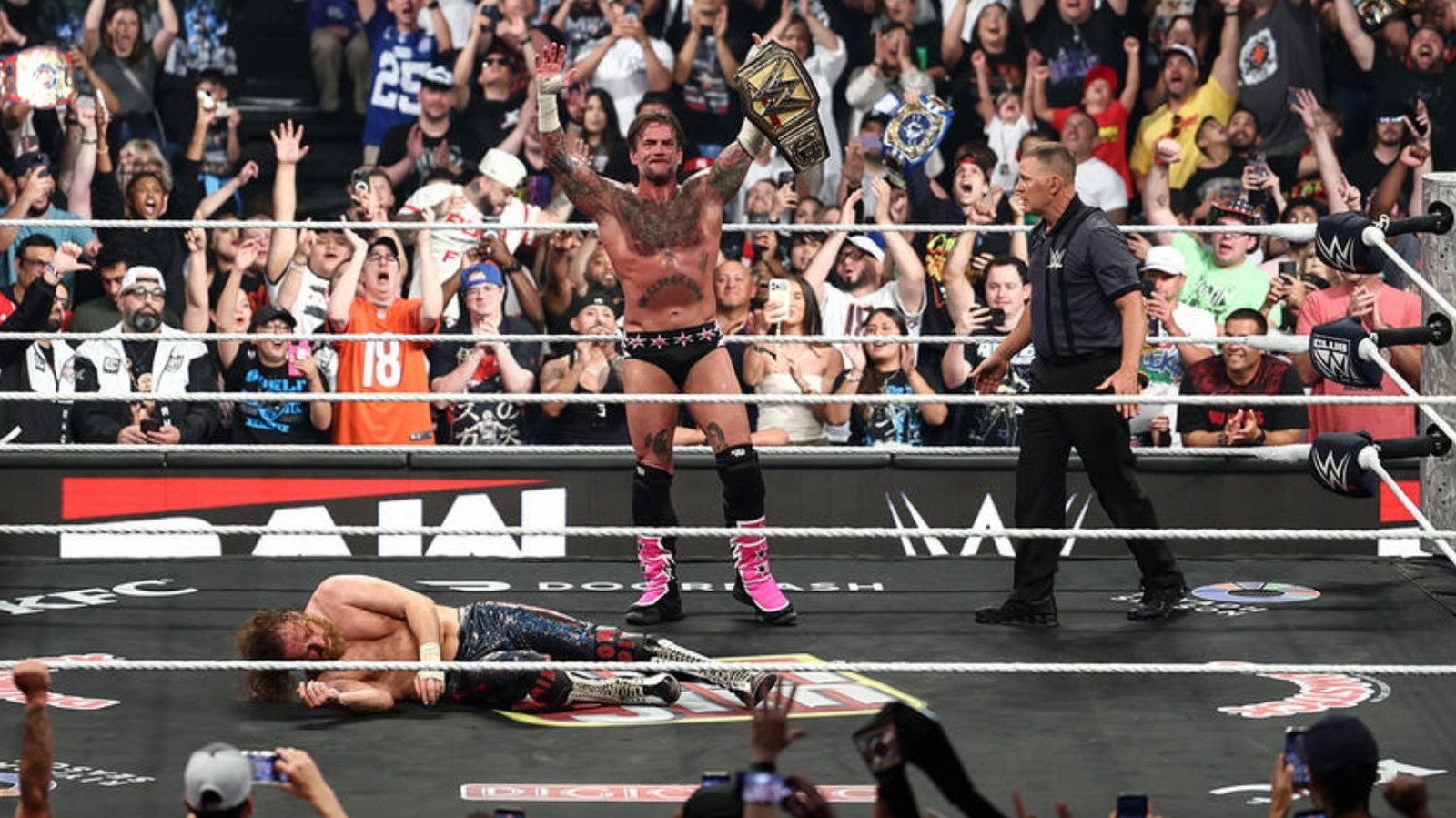
1. CM Punk’s 2011 Pipebomb. This moment shattered the kayfabe barrier, moving wrestling from a scripted show into a serialized reality drama. Punk sitting on the ramp, microphone in hand, forced WWE to acknowledge the internet fan base for the first time.
2. The formation of the Bullet Club at Invasion Attack 2013. Prince Devitt’s turn against Ryusuke Taguchi allowed for the creation of a faction that dominated global wrestling for over a decade. It proved that a Japanese promotion could export a Western-style stable to massive commercial success.
3. Daniel Bryan winning at WrestleMania 30. This ranks here because it was the ultimate concession to the audience. WWE spent months trying to ignore the Yes Movement before finally letting Bryan tap out Batista and Triple H in the same night for a 2-count finish that cemented his legend.
4. The Montreal Screwjob. While historically significant, it lands at four because the outcome was ultimately a booking disaster that nearly ruined the company’s moral standing. Bret Hart losing the title on a technicality remains the most controversial finish in standard televised history.
5. Mankind thrown off the Cell at King of the Ring 1998. This changed how we viewed high-risk spots. Mick Foley falling 22 feet through a broadcast table set a dangerous precedent that eventually forced the industry to adopt stricter safety protocols for its talent.
6. Brock Lesnar ending the Undertaker’s streak at WrestleMania 30. Many fans hated the decision, but the silence inside the Superdome was the most honest reaction in wrestling history. It successfully elevated Lesnar to a final boss level that the company relied on for years to come.
7. The debut of Chris Jericho on Raw in 1999. Interrupting The Rock’s promo remains the gold standard for how to introduce a new talent. Jericho immediately established himself as a main-event player by trading barbs with the biggest star in the industry.
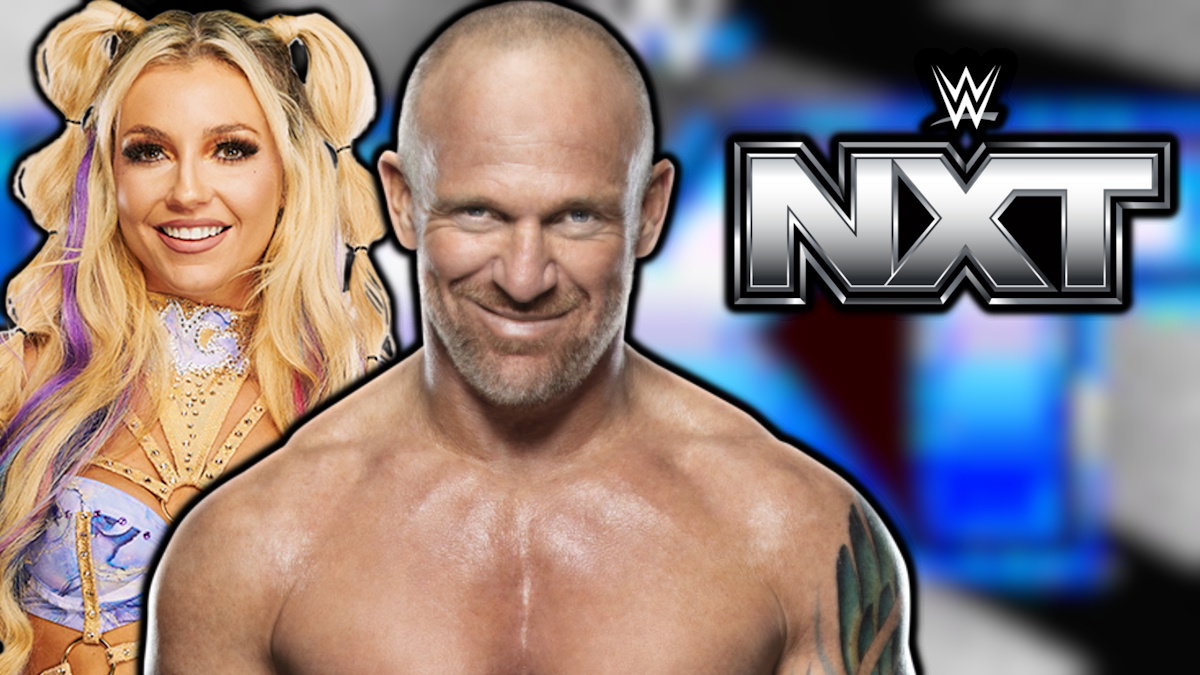
8. Tommaso Ciampa’s transformation in NXT. As reported by Ringside News, Ciampa navigated significant career transitions after leaving WWE, eventually finding a home in AEW. His work during his second NXT run proved that long-term character development matters more than high-flying spots.
9. The Outsiders appearing on Nitro in 1996. Scott Hall and Kevin Nash showing up on a rival network made the Monday Night Wars feel legitimate. It effectively destroyed the idea that wrestling was a closed shop for one major promotion.
10. Eddie Guerrero winning the WWE Championship at No Way Out 2004. This was the payoff to a decade of under-utilization. His victory over Lesnar, facilitated by multiple chair shots and a frog splash at the 28-minute mark, showcased a rare moment of genuine emotional investment from the locker room.
Reflections and Honorable Mentions
These moments are often celebrated, but they aren't without flaws. The Undertaker’s streak ending, for example, felt rushed and perhaps wasted on a man who didn't plan on full-time wrestling duties following the event. Booking choices in the mid-2000s often relied too heavily on external factors rather than homegrown talent development.
Honorable mentions go to the formation of NWO, Kenny Omega winning the IWGP Heavyweight Championship, and the first ever Women's Royal Rumble match. Each of these shaped the current era, even if they couldn't quite crack the top ten cut.