The Big Picture
Moments in wrestling define eras. Whether through a high-stakes title change or a brutal physical setback, these sequences shape the trajectory of entire promotions.
We are parsing the events that moved the needle. Some are purely athletic, while others are cautionary tales of the toll the industry takes on those in the center of the storm.
The Rankings
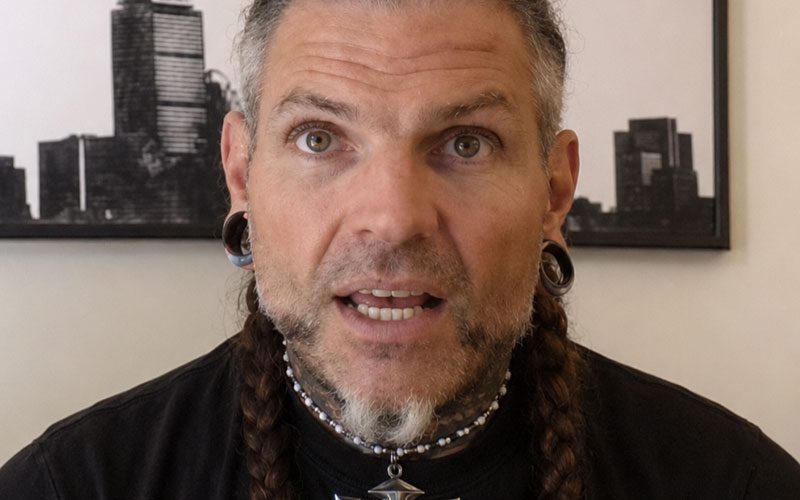
10. Jeff Hardy's TNA Return
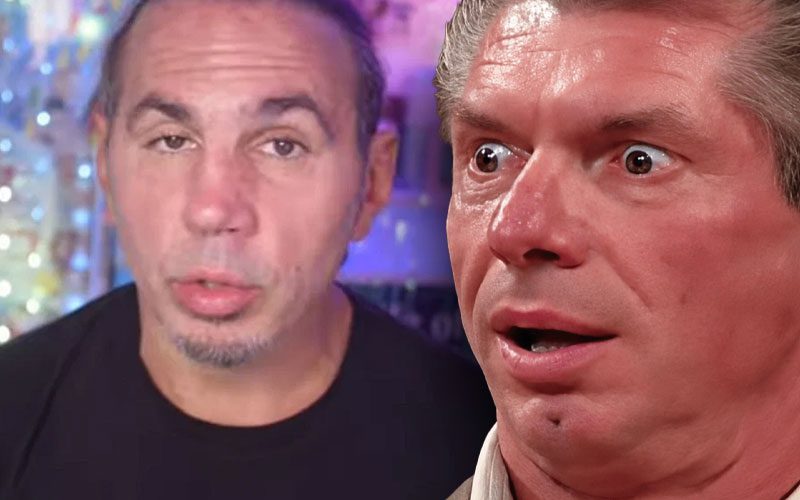
Jeff Hardy’s return to TNA ahead of Slammiversary was a massive nostalgia move. He is currently working through a neck issue, which keeps him from operating at his peak performance levels. This ranking reflects his legendary status, but the reality of his current physical state keeps him at the bottom of the list. It is a reminder that even icons cannot outrun the calendar.
9. The Creative Pivot
When an injury forces a company to rewrite its roadmap, the result is often chaotic. The current scenario involving Rhea Ripley confirms that even top-tier planning is fragile. Management has to scramble to fill a championship vacancy, which disrupts the momentum of the entire women's division. It earns a spot here because it highlights how quickly an entire booking strategy can dissolve.
8. Mid-card stagnation
Building a deep roster is the primary goal of any promotion, yet talent like Mike Santana often finds themselves waiting in the wings. His potential departure in July 2026 creates a clear lane for him to find a new home. This move represents the shift in philosophy where work-rate specialists prioritize television opportunities over loyalty to a specific brand. It matters because it exposes the failure of mid-card booking to actually utilize established veteran talent.
7. Podcast Revelations
Media appearances like the Battleground Podcast are where the real work happens in 2026. Jeff Hardy admitting he is not at 100 percent represents the shift toward transparency in professional wrestling. Fans no longer want the kayfabe version of physical health; they want the status report. This specific confession changed how people view his upcoming high-stakes matchups.
6. The Contract Clock
The expiration of contracts, such as the one for Mike Santana, serves as the engine of the wrestling industry. Executives track these dates with surgical precision to identify gaps in their rosters. When a deal reaches its final weeks, the leverage shifts decisively to the performer. It is the most boring, yet most important, part of the professional wrestling business.
5. Injury as a Narrative Driver
Injuries are often treated as bad luck, but they function as forced creative resets. The Jeff Hardy neck situation proves that injuries dictate the booking calendar more than writers do. When a talent is sidelined, the entire house structure collapses. It forces creative teams to elevate undercard performers, which can be the making or breaking of a mid-card career.
4. Television Slotting
The pursuit of prime television time is the primary driver of all professional wrestling conflict in 2026. Whether it is a talent looking for a move or a star trying to reclaim their spot, the quest for a marquee position is everything. If you are not in the main event or the primary title picture, you are essentially invisible. This obsession with placement is why the logjam exists in the first place.
3. The Slammiversary Build
Large-scale events require perfect health, which is rarely a reality in professional wrestling. The pressure surrounding the Slammiversary card is immense, especially with veterans like Hardy struggling with recovery. It sits high on this list because it showcases the tension between the necessity of a big show and the physical cost of performing on it. The build-up determines if the event feels like a spectacle or a hospital ward.
2. Internal Roster Volatility
The movement of talent, such as the potential jump described in recent industry reports, drives fan interest more than championship matches. Fans wait for these status updates with more anticipation than match finishes. This volatility proves that the brand loyalty of the audience is secondary to the individual performers they support. It is a sign of an industry built on personal branding above all else.
1. The Championship Vacuum
The number one spot goes to the sudden absence of a top champion. When a belt is vacated, it creates a vacuum that defines the next six months of programming. You cannot manufacture the stakes of a vacant title match. It forces an immediate and necessary push for fresh talent, which is the only way to evolve a brand.
Honorable Mentions
The constant cycle of contract negotiations provides the backdrop for every single match mentioned here. While not a singular event, the recurring theme of athletes testing free agency to secure a 3-year deal remains the most significant shift in power dynamics across the industry. Despite the hype, many of these transitions fail to meet expectations because booking quality remains stubbornly inconsistent.