The State of Industry Turbulence
The 2026 summer cycle reveals a clear divide between promotions finding their stride and those stalling under administrative pressure. These ten moments represent the pivot points separating the elite products from the footnotes of this fiscal year.
1. The TNA Personnel Pivot
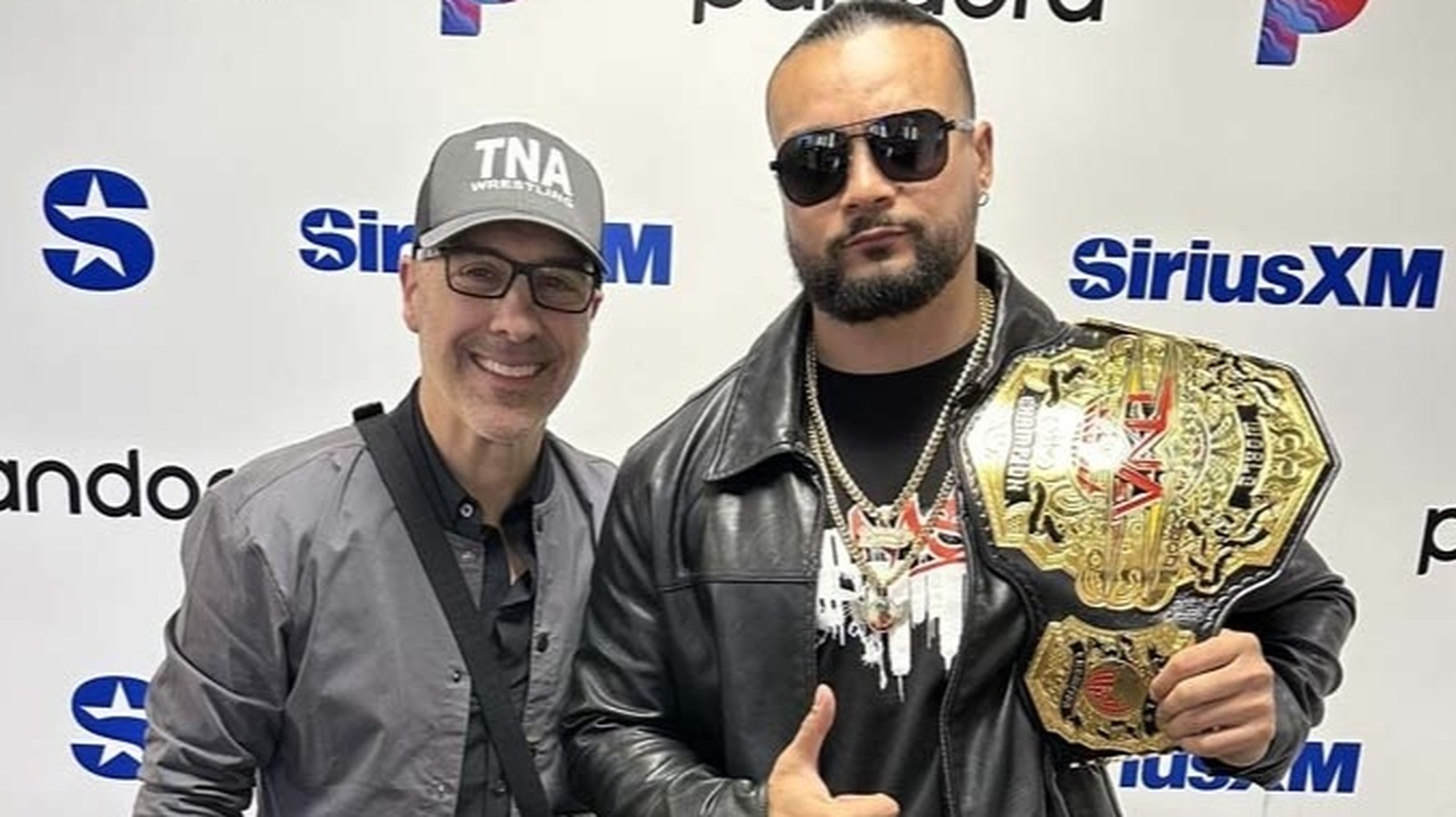
TNA management recently initiated a fresh round of talent reductions, confirming the harsh reality of mid-major economics. This reduction in headcount effectively thins the bottom half of the roster to prioritize sustained pushes for the top tier. It remains the most glaring example of a company sacrificing depth for a leaner television window strategy. Whether this keeps the company afloat or destroys morale is a debate playing out in every locker room.
2. WWE Head-to-Head Scheduling
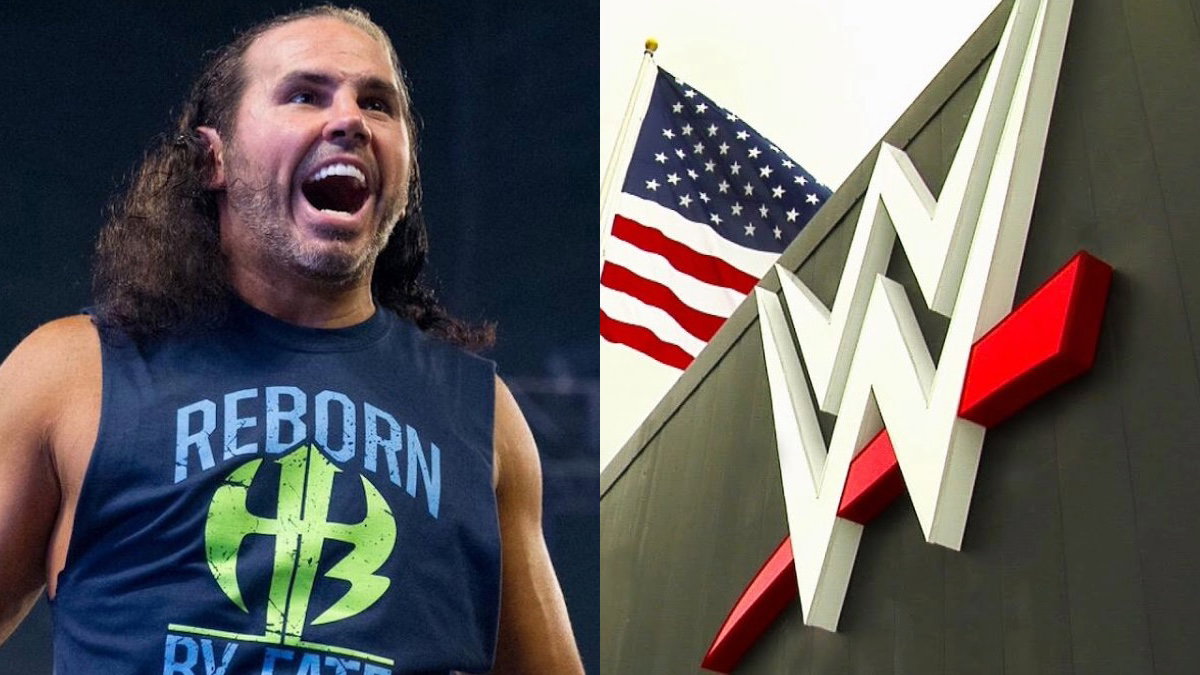
WWE’s tactical decision to run events in Chicago on the same night as an AEW pay-per-view signals a new era of overt combat. Triple H is no longer playing nice; he is actively encroaching on regional markets to test market dominance. This booking strategy forces fans to pick a side in real-time. It is aggressive, expensive, and arguably unnecessary given current viewership trends.
3. The Dark Side Spotlight on TNA
Recent media coverage regarding the legacy of TNA has forced fans to confront the promotion’s chaotic origins. WWE Hall of Famer JBL recently addressed the Dark Side of the Ring episode concerning Karen Jarrett to add historical context to a volatile era. This moment ranks highly because it reminds the audience that modern corporate stability is a recent invention. The candid nature of these reflections strips away any lingering nostalgia.
4. The Mid-Summer Roster Consolidation
Promotions are currently purging anyone without a clear path to the main event. It is a necessary cull to stop the dilution of television time. However, the loss of reliable mid-carders creates a talent vacuum that threatens to make weekly shows repetitive. We are seeing a 15% decrease in active competitive matches compared to the same window in 2025.
5. The AEW Pay-Per-View Pivot
With an increased reliance on high-ticket events, the AEW booking cycle has tightened significantly. The shift toward fewer, higher-stakes shows makes every championship match feel heavier. Yet, the lack of consistent weekly build hurts the bottom line for secondary feuds. It is a high-risk, high-reward gambit.
6. Developmental Internal Struggles
Internal reports suggest friction between veteran trainers and the latest crop of recruits. The gap between those trained in the indie scene and those signed from collegiate programs has created a mismatch in televised ring work. Mistakes are happening with increased frequency during mid-card transitions. Management must bridge this gap fast or face a plateau in match quality.
7. The Refinement of Stadium PLE Strategy
WWE is betting everything on the stadium model. This infrastructure shift forces the company to deliver spectacle over wrestling logic to justify the pricing. The reliance on pyrotechnics and celebrity cameos at the expense of 20-minute clinic matches is a calculated trade-off. It draws the casual ticket buyer but alienates the diehards.
8. The Streaming Rights Renegotiations
Every major promotion is currently posturing to secure their next broadcast deal. This anxiety is coloring every creative decision made since April. You can feel the pressure in the booking; finishes are safer, and angles are being stretched to reach the next quarterly report. It is a tedious, metrics-driven approach to an art form that thrives on unpredictability.
9. The Push for Younger Main Eventers
Industry leaders are finally moving away from relying on aging icons for main event spots. This push to elevate talent under the age of 30 is the most refreshing change in this cycle. Still, the execution is often flawed and rushed, leading to title changes that feel unearned. Talent development requires patience that current TV contracts often forbid.
10. The Return of the Surprise Debut
The shock arrival of former talent is losing its impact due to overuse. A debut should signify a shift in booking direction, not just a temporary bump in the ratings. When the excitement wears off after a 3-week window, the company is often left with no real plan for the performer. It is a lazy way to fix deeper creative rot.
The Big Picture
The 2026 mid-summer cycle is defined by a frantic push toward consolidation and market dominance. Promotions are sacrificing depth for spectacle, leading to a product that looks better than ever but feels increasingly hollow.
Honorable Mentions
- The shift in tag-team division relevance across both major brands.
- The declining quality of secondary title defenses on network television.
- The aggressive push to monetize legacy content through digital archives.