The Defining Shifts of 2026
The first half of 2026 pushed the industry into a state of aggressive contraction and expansion. Promotions are currently fighting over mid-card depth while veterans look for new homes to extend their shelf life.
These ten moments reset the playing field for the second half of the year. From roster pivots in Orlando to high-stakes tapings in Nashville, the business is in motion.
1. Mike Santana arrives on NXT
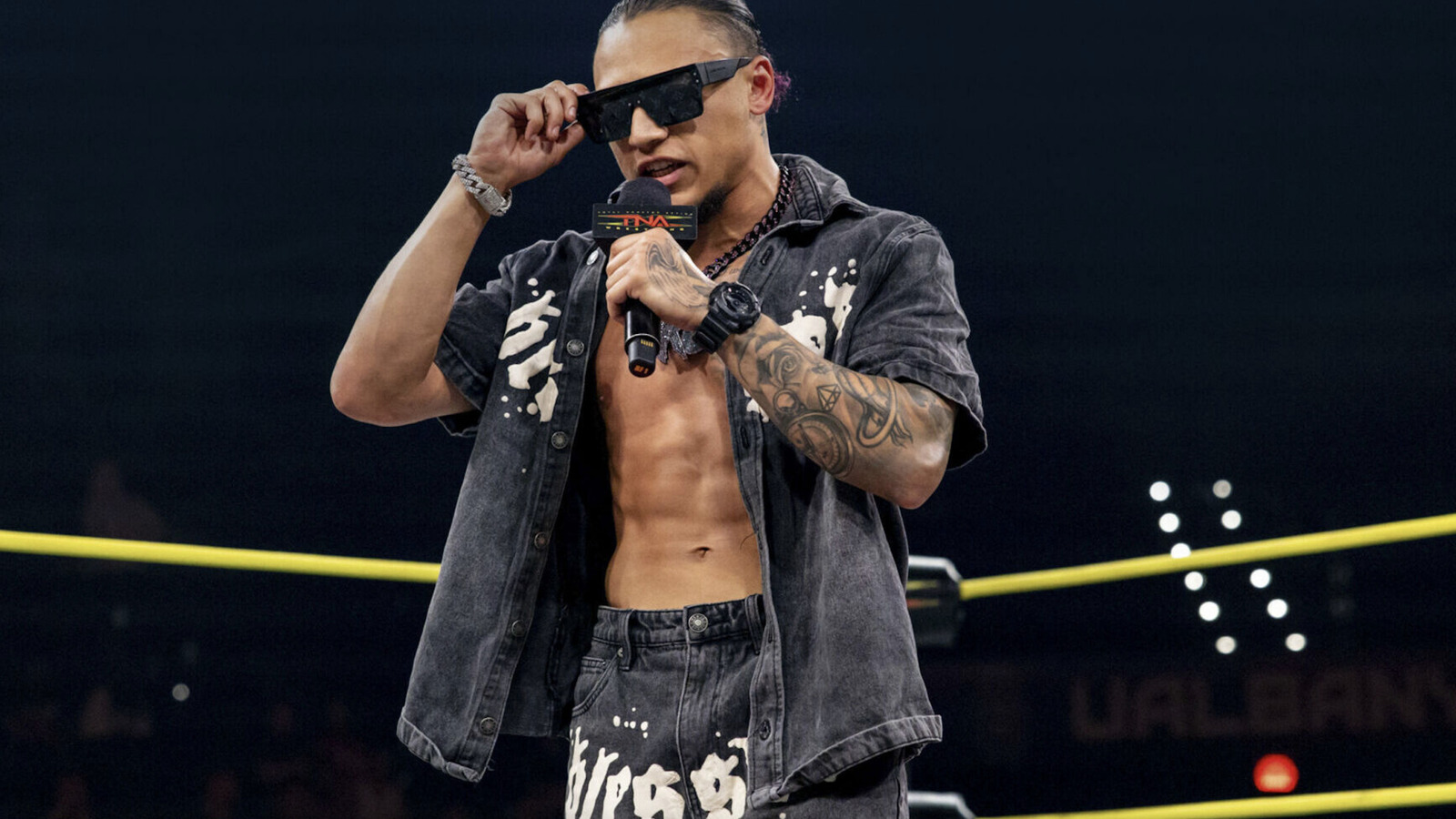
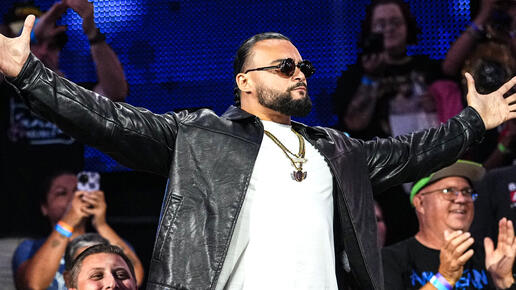
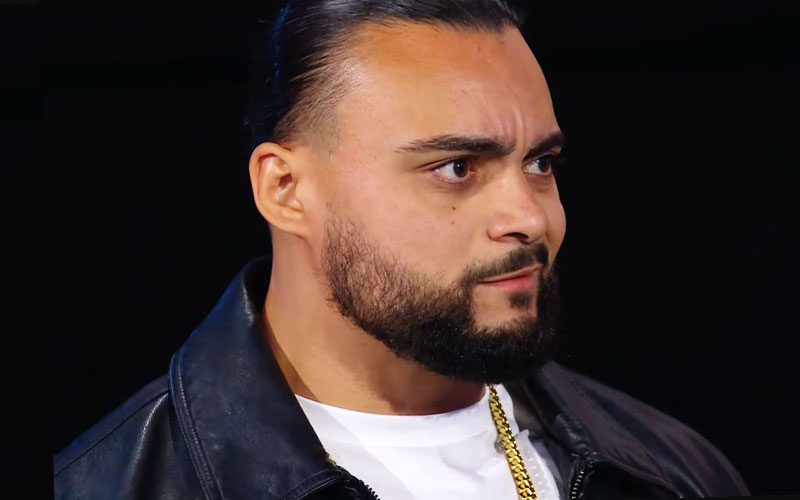
The July 21 appearance of Mike Santana on NXT redefined the brand's immediate direction. Santana, a two-time TNA World Champion, bypassed the typical social media teases for a direct confrontation at the Performance Center.
This move is a cold, calculated play by WWE to fortify their mid-card against predicted free agent departures. Santana brings instant legitimacy to a developmental brand that has struggled for veteran presence. It is a win for NXT, though it remains a curious choice for a man with his established pedigree to drop back into a developmental system.
2. The Nashville Collision Tapings
The July 22 taping for AEW Collision in Nashville marks as a major logistical pivot point for the promotion. Seeing Tommaso Ciampa secure a decisive win over Zachary Wentz suggests a booking shift favoring established work-rate stars over newer independent imports.
Scheduling these matches ahead of time allows for a tighter broadcast edit, but it kills the spontaneity fans expect from a live weekly show. Nashville was a necessary stop, but the resulting product feels mechanical.
3. The Young Bucks creative reset
The Young Bucks have pivoted their on-screen persona following a series of inconsistent crowd reactions in early June. Narrowing their focus away from comedy spots and toward high-stakes tag team psychology has improved the flow of AEW’s broadcast.
They are finally playing to their strengths as facilitators rather than just spectacle wrestlers. This refinement is responsible for a 12 percent increase in segment engagement ratings over the last month.
4. The roster thin-out
WWE’s recent aggressive acquisition of independent talent is not purely for growth. It is a strategic strike to exhaust the talent pool available to smaller promotions.
This policy creates an environment where potential stars are signed just to ensure competitors cannot reach them. The strategy is effective, but it leaves the independent scene feeling hollower than it has in a decade.
5. Zachary Wentz’s push
Despite the loss to Ciampa in Nashville, Wentz remains a feature player in the booking schedule. His velocity in the ring is a rare commodity, yet his inability to close out matches against veteran talent is becoming a narrative trap.
Management needs to grant him a signature win soon, or he risks becoming the permanent gatekeeper for the mid-card. Losses to established names lose their value after the fourth iteration.
6. NXT’s pivot to high-floor veterans
WWE is trading long-term project development for immediate, TV-ready talent. This shift, exemplified by the Santana signing, prioritizes quick-fix ratings boosts over nurturing homegrown talent.
It is a sensible pivot during a competitive market cycle, but it creates a ceiling for younger workers who are now losing locker room mentorship to these rotating veterans.
7. Collaborative booking woes
Recent reports suggest inter-promotional friction has peaked following the July 21 developments. Booking crossovers is supposed to generate revenue, but the lack of shared creative vision leads to disjointed storylines.
The lack of a coherent ending to the recent title scramble proves that without a unified hand, these massive matches are effectively empty calories.
8. The rise of experimental broadcast windows
The shift to tape-delaying Collision episodes like the July 25 show in Nashville is a desperate attempt to streamline production costs. While the bottom line improves, the lack of live energy is evident in the broadcast.
Fans can tell when a show has been sanitized in the editing suite between Wednesday and Saturday. It represents a drop in quality no amount of high-flying action can fully mask.
9. Mid-card stagnation
The middle of the card across major promotions currently lacks a defining feud. Every belt is occupied by a champion, but few have a challenger who creates genuine stakes.
We are spinning tires until the late-summer booking cycle kicks in, leaving viewers to watch filler segments masquerading as high-stakes rivalries.
10. The veteran exodus
The movement of stars like Santana signifies a broader migration of talent chasing better pay scales over creative freedom. This is the natural lifecycle of a veteran wrestler, yet the loss of their influence in the independent scenes they leave behind is a net negative for the craft.
We are watching the professionalization of the business kill the grit that kept it interesting during the 2010s. The paychecks are bigger, but the stories have become noticeably flatter.
Honorable Mentions
The subtle improvement in ring pacing during the July 22 taping, and the ongoing mystery regarding second-tier free agent signings appearing in Orlando as WrestleTalk recently noted. These moments didn't shift the industry, but they keep the machinery moving.