The Anatomy of the Blue Brand
SmackDown functions as the primary engine room of professional wrestling. It manages an aggressive schedule that requires constant narrative propulsion and precise execution, often stretching rosters to their absolute breaking point.
These ten moments represent the apex of that output. They serve as the benchmark for how the show balances legacy, power dynamics, and sudden physical volatility.
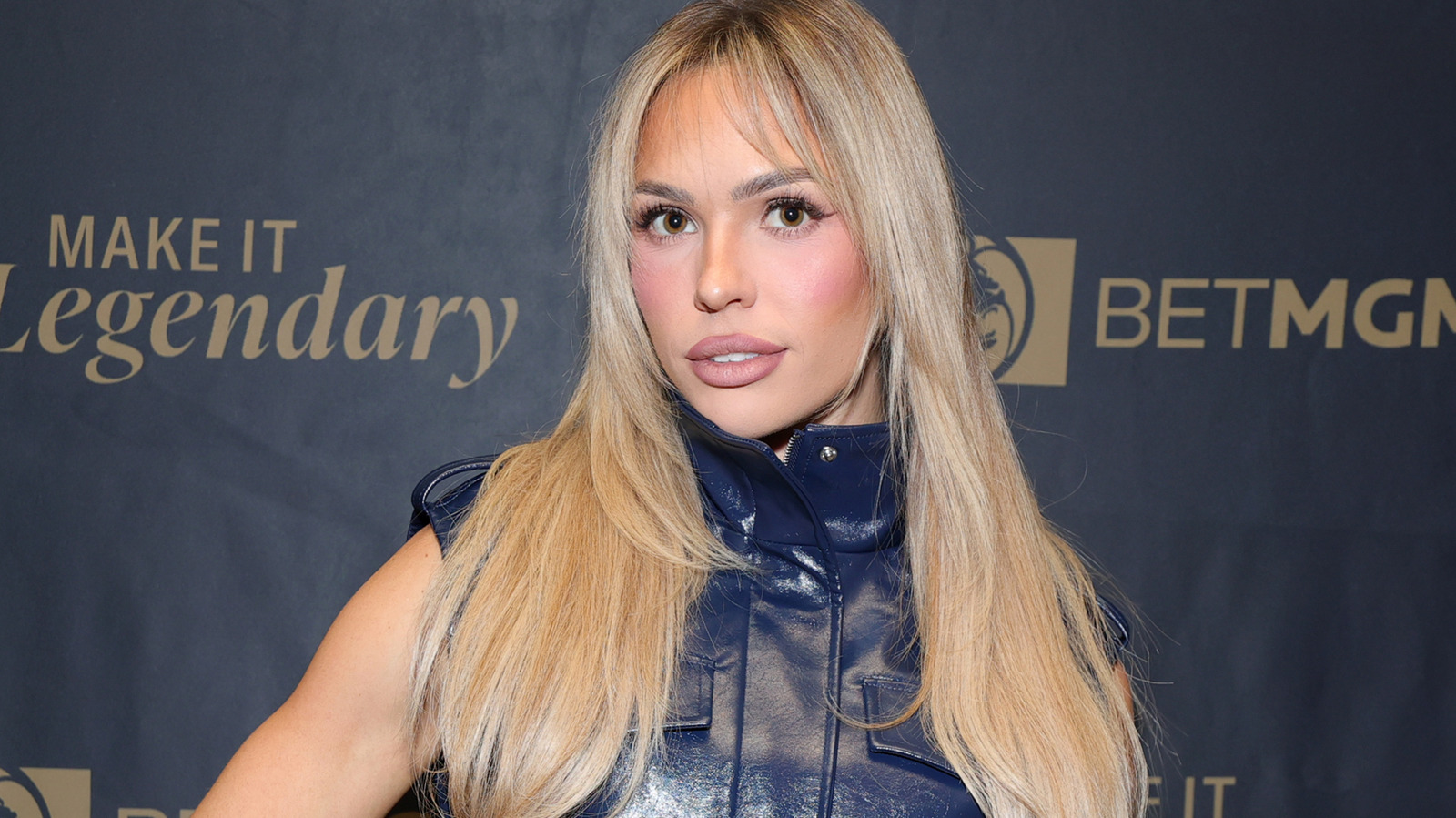
10. Tiffany Stratton vs. Jacy Jayne
This match served as a vital technical showcase on the July 17 episode. Watching these two exchange high-impact sequences highlights the depth of the current women’s division. It earns this spot because it allowed both performers to transcend their usual archetypes. The precision of the closing sequence proved that even secondary feuds can elevate the weekly product.
9. Finn Balor vs. Tama Tonga
The aggression displayed between these two suggests a deep-rooted fundamental shift within the new Bloodline power structure. Balor took significant punishment, showing why he remains a credible threat regardless of the booking chaos surrounding him. The intensity was visceral, though the lack of a clean finish slightly dampened the overall payoff. It sits here because the underlying friction between these two is the best sub-plot on the show.
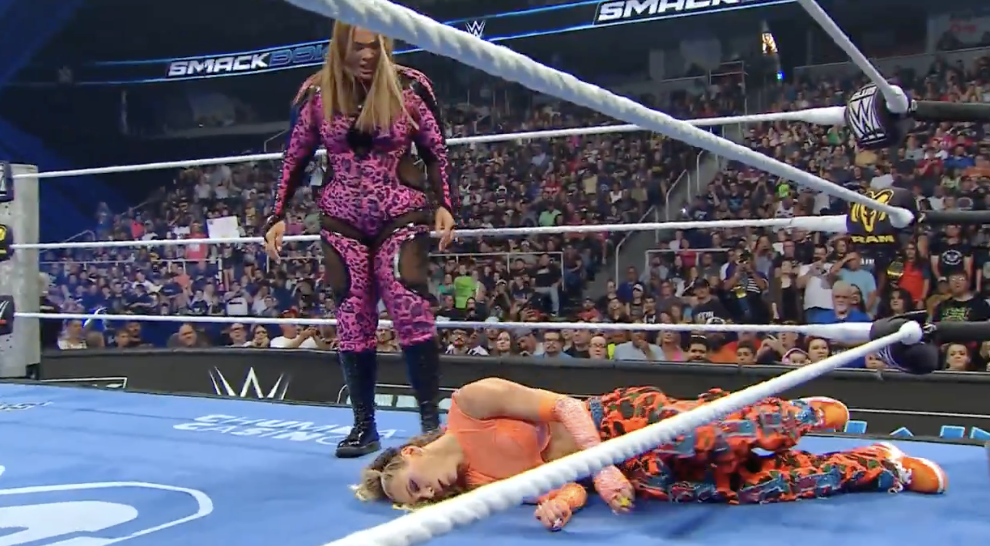
8. Nia Jax vs. Jade Cargill
This collision acted as a necessary clash of titans during the July 17 broadcast. Nia Jax continues to lean into her role as the primary antagonist, moving with a reckless efficiency that forces opponents to adapt or fail. Jade held her own, though the pacing struggled during the mid-match reset. It is ranked here because it sets up the SummerSlam qualifier against Charlotte Flair, a bout that defines the summer hierarchy.
7. Rhea Ripley Injury Fallout
The pivot following Ripley’s physical exit was handled with a standard of urgency often missing in televised wrestling. The promo segments regarding her vacancy felt heavy, grounding the show in a reality that few programs dare to touch. It ranks this high because the ripple effect forced every other performer on the roster to step up. Without this disruption, the women's title picture would be far less compelling.
6. Cody Rhodes vs. Gunther
Putting the top champion against the most dominant physical force on the roster was necessary for brand credibility. The sheer duration of the match allowed them to tell a story of endurance. I place this here because the psychology was impeccable, even if the interference felt like a tired trope. The crowd reaction on July 17 proved that this is the marquee rivalry people want to see.
5. The Gunther-Pearce-Cody Segment
Gunther has mastered the art of being a classic heel who never breaks character. His interaction with Adam Pearce and Cody Rhodes provided the best dialogue of the week. It outranks the actual match because it established the stakes without requiring a single bump. As noted in recent analysis, this segment anchored the entire show.
4. Crossover Casting
A recent development saw a SmackDown star find success in the wider entertainment industry. It was reported that a movie starring a SmackDown wrestler earned a festival selection. This is a massive win for the company’s reach. It ranks at four because legitimate mainstream recognition does more for the brand than a dozen scripted promos.
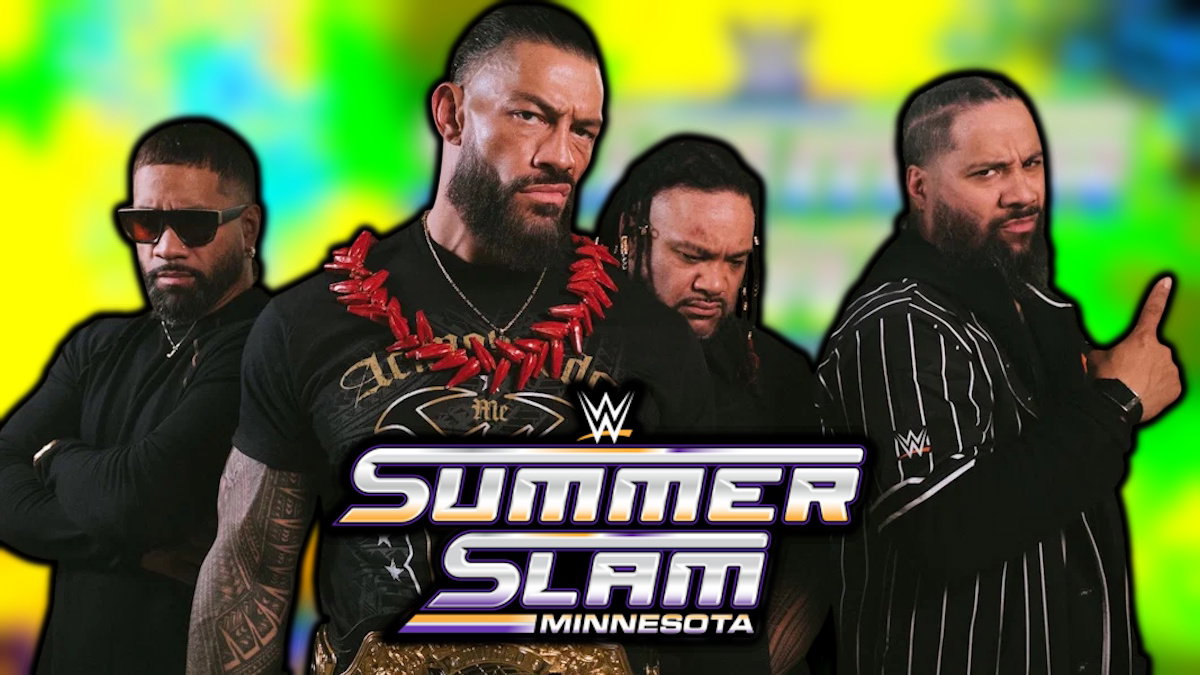
3. The Bloodline Reshuffle
The tactical shifts occurring within the Bloodline faction have effectively revitalized a stale group dynamic. Balor and Tonga are the current faces of this change, and the result is a product that feels less predictable. It sits at three because it dictates the rhythm of the entire show. Whether or not you enjoy the booking, it remains the most vital narrative thread.
2. High-Stakes Qualification
The announcement of the Nina Jax and Charlotte Flair qualifier is simple, effective storytelling. There is no fluff here, just a clear incentive for the athletes and the audience. It ranks second because it gives SmackDown an automatic hook for next week. Matches with clear geometric consequences are the bedrock of good television.
1. The Consistency of the Mid-Card
The number one spot goes to the overall pacing of the undercard. Without the work put in by supporting players, the main event segments would lose half their gravity. Every successful week relies on performers who can pull off a technical clinic on short notice. It sits at the top because it is the most overlooked element of the show's success.
Honorable Mentions
Matches involving the tag team division deserve praise for finally finding a cohesive rhythm after months of stagnation. Additionally, the camera work during backstage ambushes has drastically improved in terms of clarity. Unfortunately, the excessive use of commercial breaks during high-intensity segments remains a glaring flaw that frustrates the viewing experience.