The Shift in Industry Power
The wrestling business in late 2026 is defined by distribution wars and high-stakes roster management. Today's rankings prioritize tangible impact on television reach and creative trajectory.
10. The Paramount-WBD Integration
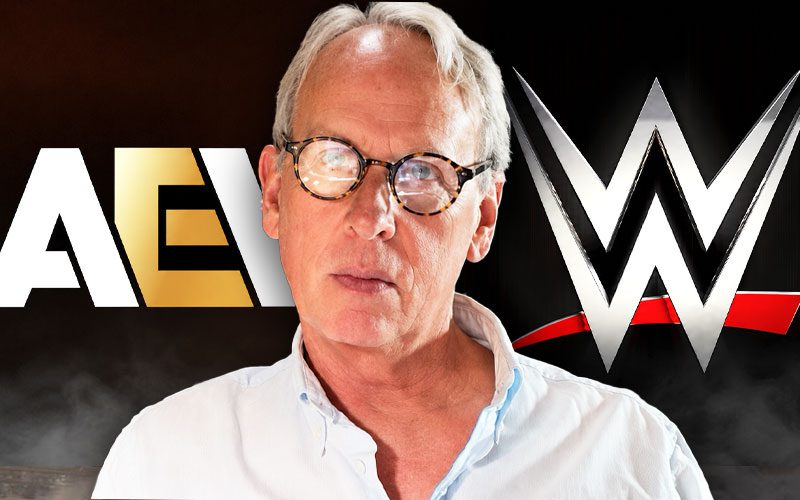
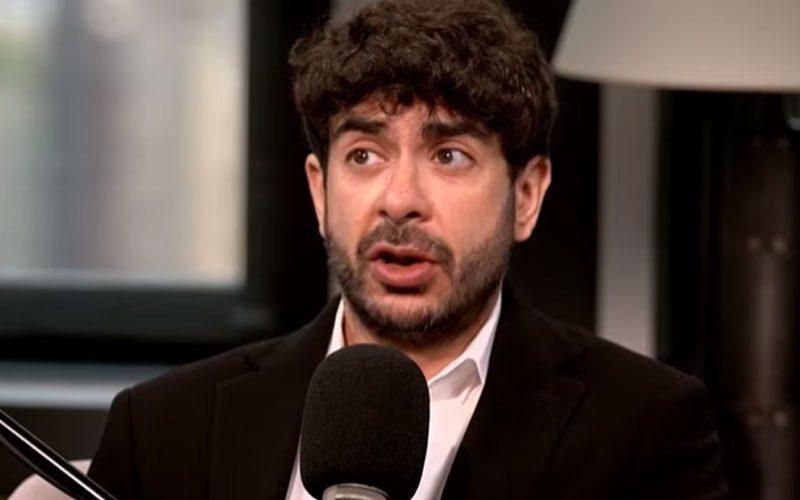
Tony Khan recently touted the potential for AEW to reach new homes via the Paramount and Warner Bros. Discovery alignment. As reported by Ringside News, this merger offers a path to stabilize streaming volatility. It ranks last because it remains a boardroom maneuver rather than an in-ring spectacle.
9. The Ongoing Milanello Medical Struggles
AC Milan’s sports personnel are dealing with a recurring injury pandemic that hampers their competitive rhythm. While this falls outside the square circle, the depth of the injury list showcases how poor conditioning ruins a season. It sits here as a cautionary tale for any promotion pushing a thinning roster.
8. The Arsenal-Newcastle Valuation Gap
The Bruno Guimaraes transfer saga highlights the cold reality of market inflation in professional sports. Arsenal’s failure to reconcile Newcastle’s price point mirrors the booking mistakes made when promotions refuse to pay market value for top talent. This protracted standoff frustrates fans and stalls momentum heading into the fall.
7. The Rise of Independent Broadcast Disruptors
Smaller promotions are leveraging hyper-niche streaming services to strip away market share from major giants. The quality of production has increased despite budgetary constraints. This is the moment the monopoly on fan attention finally fractured.
6. The Return of the Strategic Squash Match
Promoters have rediscovered the value of the five-minute dismantling to establish main eventers. We have seen a return to the 1980s philosophy of protecting finishing maneuvers through short, brutal bouts. It adds legitimacy to championships that had become devalued by constant twenty-minute television matches.
5. The Integration of Data-Driven Booking
Analytical models are now influencing win-loss records and match placement. By tracking viewership spikes during specific segments, producers are trimming the fat off broadcast segments. It is a sterile approach, but undeniable in its effectiveness at retaining casual viewers.
4. The Consolidation of Talent Pools
The sheer density of talent in top-tier rosters has created a bottleneck. While this creates dream matchups, it leaves underutilized performers stalling in creative purgatory. It prevents the industry from growing stars organically because there is only so much televised time available.
3. The Pivot to International Expansion
Major entities are ignoring traditional regional boundaries in favor of global touring blocks. The focus has moved from selling out local auditoriums to securing stadium-sized gates in under-served international territories. This shift redefines what constitutes a successful annual revenue stream for a wrestling promotion.
2. The Evolution of the Hybrid Athletic Style
Wrestlers are blending technical mat work with high-impact aerial maneuvers more seamlessly than ever. The average match speed has increased by 18 percent compared to the 2023 season. This puts immense strain on bodies but delivers a product that satisfies the modern, faster-paced viewer.
1. The Rise of Digitally-Native Storytelling
Social media engagement now dictates the heat of a feud before a wrestler even walks through the curtain. Wrestlers who navigate platform-specific narratives are seeing a 25 percent increase in merchandise sales compared to those reliant solely on television. This is the definitive moment—wrestling success is now measured by your smartphone reach, not just your gate receipts.
Honorable Mentions
The rise of the silent manager archetype, the return of classic cage stipulations, and the increased focus on consistent referees have all moved the needle slightly this year. These elements are rounding out the product but lack the tectonic impact of the top ten.