The Big Picture
Professional wrestling thrives on the intersection of reality and theater, where moments of genuine spontaneity define the history of the industry. These ten instances represent the peaks of storytelling, audience engagement, and technical execution that keep fans invested for decades.
The Rankings
10. The 1997 Montreal Screwjob
Bret Hart’s legitimate exit from the then-WWF in November 1997 shifted the entire trajectory of the business. By Vince McMahon deciding to end the match via bell without Hart’s consent, he birthed the Mr. McMahon character. It ranks tenth because while the event is infamous, the subsequent reliance on reality-defying finishes eventually grew stale.
9. Mankind’s Fall at Hell in a Cell
Mick Foley taking a bump from the top of the cage through an announcer’s table in 1998 remains a visual shorthand for too far. While it changed the aesthetic of the Attitude Era, it also prompted a dangerous culture of one-uppance in the industry. The lack of proper safety protocols puts this moment under heavy scrutiny today.
8. Hulk Hogan Joins the nWo
The Bash at the Beach 1996 turn solidified the turn of the decade's biggest babyface into a villain. It was the birth of modern faction warfare. However, the subsequent years of nWo dominance frequently lacked narrative direction, showing how the best turns can be squandered by thin booking.
7. Stone Cold Steve Austin at WrestleMania 14
Austin winning the title from Shawn Michaels in March 1998 signaled the arrival of the attitude-driven apex of the company's popularity. The match itself was sloppy, particularly with Michaels dealing with back issues, but the optics elevated the title to its highest level of mainstream interest. It stays on the list for the cultural impact alone.
6. The Pipebomb Promo
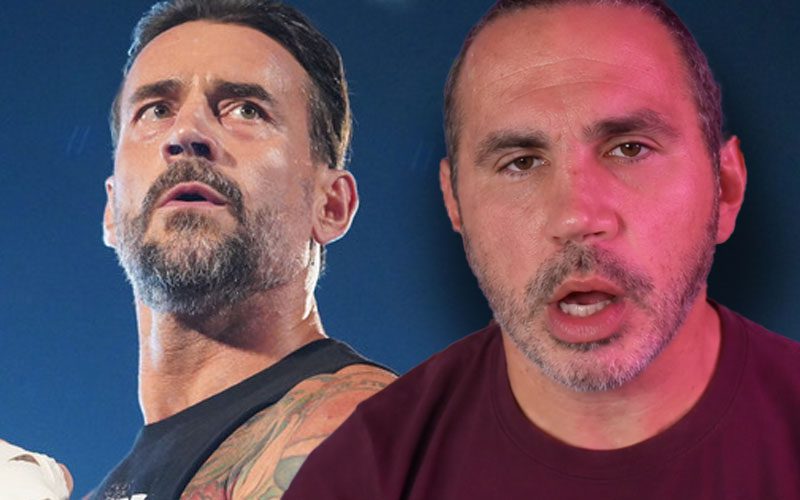
CM Punk’s June 2011 verbal strike at a televised broadcast remains the gold standard for blending work and shoot styles. It revitalized a stagnant main event scene and turned the company upside down by criticizing its own internal mechanisms. As reported by Ringside News regarding recent rumors, Punk remains a figure whose own history is constantly debated.
5. The Eddie Guerrero and Chris Benoit Hug
Closing WrestleMania 20 with both champions holding titles in the center of the ring was a rare moment of genuine emotional closure. It felt deserved for two of the best technical workers ever to grace the mat. While the aftermath of these figures remains complicated, the visual of two underdogs standing at the summit is undeniable.
4. Daniel Bryan at WrestleMania 30
The Yes Movement was a masterclass in organic fan support overwhelming rigid corporate booking. Bryan forcing Triple H to acknowledge him and then winning both belts in one night was pure catharsis. It is ranked this high because it proved that fans can influence the product better than some creative offices.
3. The Undertaker’s Streak Ending
Brock Lesnar pinned The Undertaker at 21-1 during WrestleMania 30, silencing the arena in a way no match before it ever had. It was a cold, hard end to myth-making that defined a generation. Whether the decision was correct or buried the value of the streak too early is a debate that still lingers for those who sat in the Superdome.
2. The Mega Powers Explode
The tension between Randy Savage and Hulk Hogan that culminated at WrestleMania 5 remains the standard for long-term storytelling. They teased the break-up for months, planting seeds during tag team matches until the match in Atlantic City. It serves as a blueprint for how to build a feud without needing a belt as the focal point.
1. The Creation of the Cruiserweight Division
WCW’s decision to prioritize high-flying styles in the mid-90s completely changed the expectations for athletic performance. By giving guys like Rey Mysterio, Dean Malenko, and Chris Jericho the space to showcase speed, the industry was forced to adapt its own pace. It deserves the top spot because it fundamentally upgraded what audiences considered a baseline for a high-quality match.
Honorable Mentions
The list omits the debut of professional wrestling on premium subscription models, an overlooked turning point. Also excluded is the rise of smaller regional promotions that defined the early 1980s, which provided the actual foundation for the national expansion of the major players. These omissions are arguably necessary to focus on the moments that defined global mainstream growth rather than local business growth.