The High-Stakes Shifts of 2026
Professional wrestling in 2026 has been defined by late-game booking pivots and a massive transition in how legacy stars are utilized against rising talent. The industry is currently moving away from long-term, static storytelling toward rapid, reactionary shifts that favor immediate crowd reaction over long-range roadmaps.
The Rankings
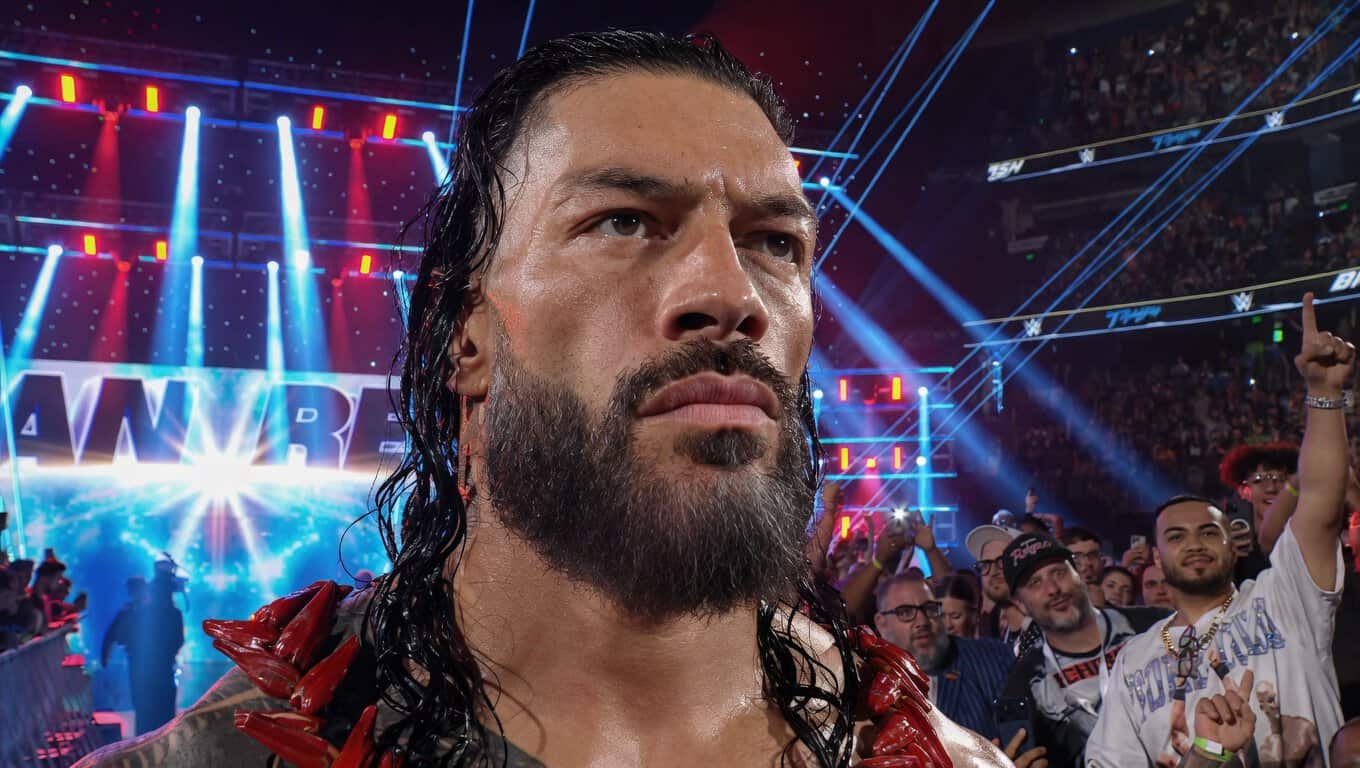
1. Roman Reigns winning the 2026 Royal Rumble. Original creative plans reportedly shifted just weeks before the event, vaulting Reigns over the intended winner to secure a main event slot. This move effectively reset the championship hierarchy despite internal frustration regarding the deviation from the initial plan.
2. The surprise debut of high-flying talent on the post-Mania Raw. This was arguably the loudest pop of the year, signaling a shift toward signing independent circuit veterans who could work immediately. It proved that the front office is finally prioritizing in-ring work rate over sheer physique.
3. The Tag Team title unification match at SummerSlam. Management consolidated the belts into a single pair to streamline the division, though the aftermath resulted in a thin roster depth. It was a bold move to clean up a cluttered title scene.
4. The unexpected heel turn of a top-tier babyface in May. This was executed with clinical precision during a standard title defense, catching the live audience completely off guard. It jumpstarted a stagnant division that had been spinning its wheels since the turn of the year.
5. The decision to shorten main event match times. By capping marquee bouts at the 20-minute mark, the booking team successfully kept energy levels high throughout the telecast. The change addressed the exhaustion viewers felt from dragging storylines.
6. The return of the hardcore stipulation to prime time. While some veterans criticized the move as regressive, the spike in ratings for the episode indicated a clear appetite for high-impact brawls. It added a layer of unpredictability that standard matches lacked.
7. The mid-card championship transition in March. A title change occurred not through a clean pin, but via a chaotic multi-man scramble, which felt like a massive downgrade for the belt's prestige. It remains the most criticized booking decision of the current cycle due to its lack of narrative stakes.
8. The experimental live-broadcast house show in June. By integrating social media fan voting into match outcomes, the company found a new pulse for engagement. The gimmick worked better than expected, even if the logistics were occasionally messy behind the curtain.
9. The signing of a decorated international star to a multi-year deal. This acquisition drastically altered the path of the secondary titles, as the technical quality of matches surged overnight. It represents a significant investment in pure wrestling ability.
10. The retirement announcement of a foundational legend. While the timing felt abrupt, it paved the way for the internal transition of power within the locker room. The industry is slowly pushing out the old guard to make room for 2027 prospects.
The Big Picture
The current state of professional wrestling shows a clear preference for short-term gains over multi-year institutional stability. While the unpredictability keeps the product refreshing, the constant overturning of written plans, as noted in reports regarding the Royal Rumble, suggests a front office that struggles to stick to a script. If the company continues to book by the seat of its pants, they risk alienating fans who crave cohesive, long-form narratives.
Honorable Mentions
The debut of the new international broadcast partnership, the redesign of the secondary championship belts, and the surprise return of a manager who hasn't been seen since the mid-2010s. All three have moved the needle, but none have redefined the product quite like the top ten listed above.