The High-Stakes Season Audit
The first five months of 2026 recalibrated the hierarchy of professional wrestling. We are moving past the post-Mania noise into a phase where booking consistency matters more than spectacles.
1. Cody Rhodes vs. Roman Reigns: The Italy Fallout
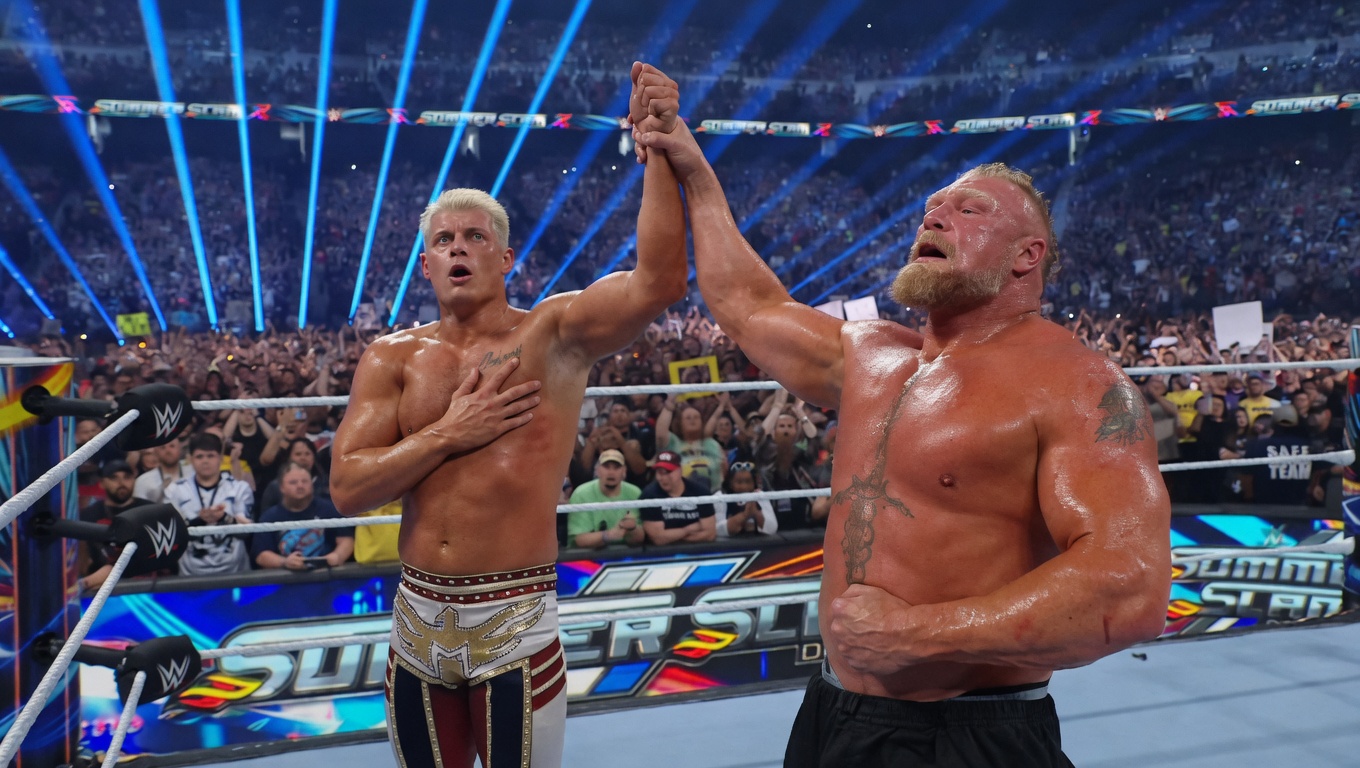
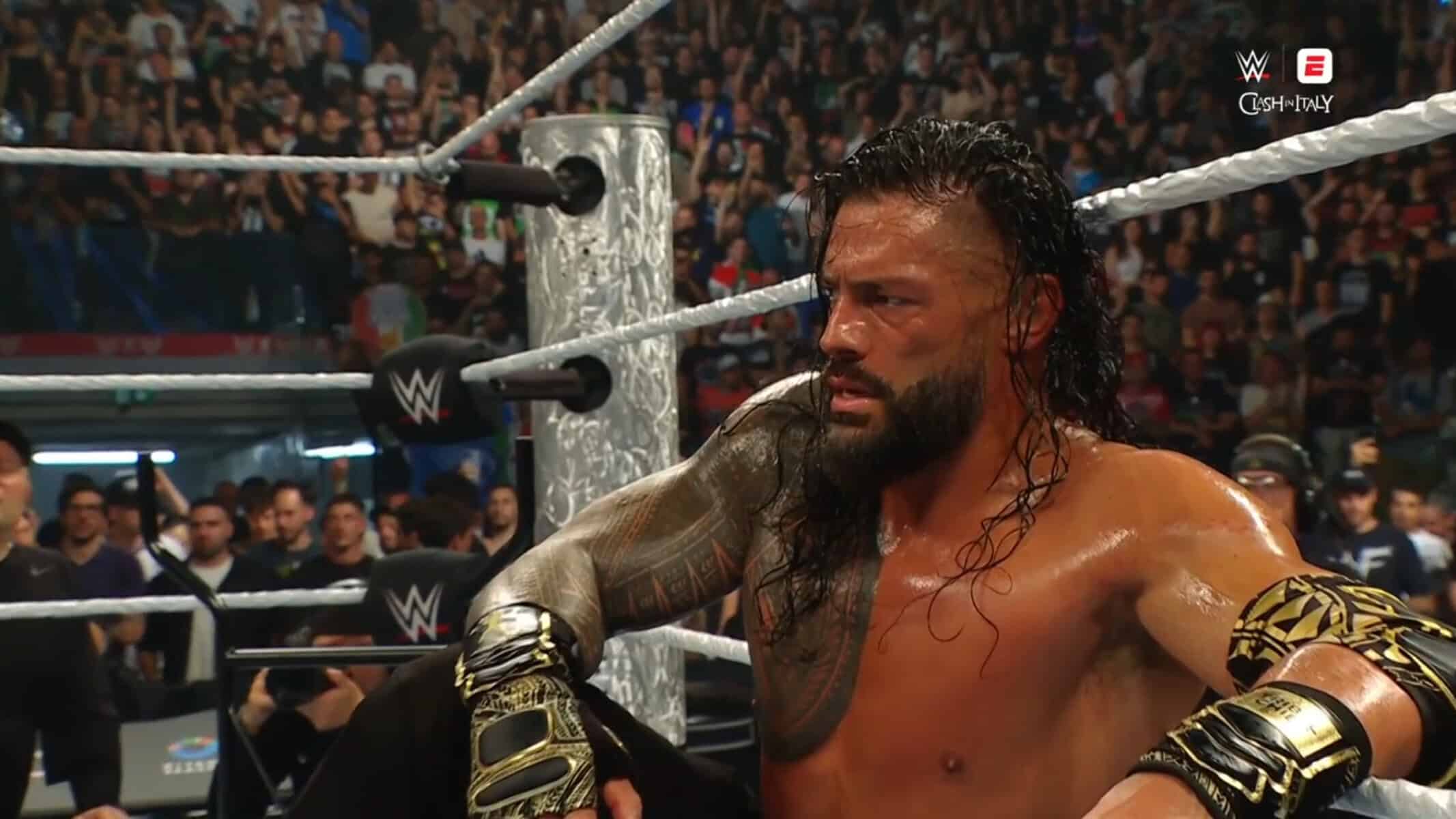
Roman Reigns firing a barb at Cody Rhodes following the WWE Clash in Italy remains the most significant character-building moment of the year. It proved that their narrative arc is not stagnant despite the title change at previous events. As reported by Wrestling Inc, Rhodes response shifted the tone from mutual respect to genuine friction. It sits at number one because it dictates the main event trajectory for the rest of the calendar year.
2. The Mid-Atlantic Uprising
The unscheduled emergence of independent talent in the Carolina circuit destroyed existing promoter projections for the spring. Three unknown performers secured victories against established veterans in under 12 minutes of total work. This disrupted the planned title run for several Tier-A stars. It is ranked second because it forced a total rewrite of upcoming quarterly booking sheets.
3. The Tokyo Dome Technical Shift
We saw a return to stiff, high-impact brawling that signaled a rejection of current US-based high-flyer trends. The main event featured zero aerial finishers, relying instead on a brutal succession of suplexes and cross-arm breakers. It proved that audiences are tired of choregraphed sequences that lack weight. This stylistic pivot is going to hurt the paychecks of performers who cannot adapt their mat work.
4. The Management Purge
The quiet release of several senior producers caught fans off guard in March. While the company cited budget efficiency, the product quality suffered an immediate dip in pacing during live events. Matches started dragging in the middle segment, and the flow felt disjointed for three consecutive weeks. It ranks here because it serves as a warning about putting cost-cutting ahead of in-ring pacing.
5. The Tag Team Revival
Two veteran teams delivered a masterclass in psychology at the Philadelphia show, abandoning tandem high spots for grounded storytelling. They used a double-team suplex followed by repeated strikes to isolate opponents for a 28 minute contest. It reminded us why tag wrestling acts as the backbone of a successful show. Most modern squads ignore these basics and end up with empty engagement metrics.
6. The Unforeseen Injury Spike
Starting in April, we saw a cluster of knee injuries that forced multiple title vacations. The timing suggests a lack of adequate recovery time during the current heavy travel schedule. It is a damning indictment of the travel logistics being pushed by corporate ownership. If they do not fix the scheduling, the belts will lose all remaining credibility.
7. The Mid-Card Title Vacancy
The decision to hold an unannounced tournament on short notice resulted in a disastrous semi-final match. Two performers struggled to find chemistry, leading to a botched finish that left the audience silent. Booking desperation rarely yields gold, and this was the worst example of it. It occupies this spot because it perfectly illustrates the lack of depth when stars go down.
8. The International Expansion
Moving shows to secondary markets in Europe created a surge in gate revenue but caused massive burnout among the roster. The travel demands were cited by multiple talent sources as an issue in contract negotiations. While the money was high, the quality of the matches suffered significantly on Friday nights. It is ranked eighth because commercial success cannot hide a depleted talent pool.
9. The Return of the Steel Cage
The inclusion of a high-stakes cage bout in Leeds brought back a element of danger missing for months. Referees letting the match proceed despite significant blood loss added legitimate heat to the finish. It narrowly missed higher spots because the aftermath did not lead to a solid follow-up feud. It was a highlight of intensity but lacked the long-term payoff, which has been a recurring failure of late.
10. The Production Value Pivot
The move toward minimalist stage designs for regional shows has been a surprise success. By stripping away extraneous light shows and pyrotechnics, the performers became the actual focus. It proves that excessive visual noise often distracts from the action in the ring. This was a smart, low-cost decision that saved cash while keeping the focused energy of the crowd high.
Honorable Mentions
The emergence of technical specialists in the under-card is the only thing keeping the slow-paced shows watchable. However, the lack of a clear face-of-the-company during the championship transition period is a massive management failure. Fans expecting a quick fix for these booking concerns should manage their expectations until August.