Setting the standard for excellence
The 2026 wrestling season has been defined by high-stakes booking and physical escalation. These matches and segments represent the peaks of a year that has tested the limits of the talent roster.
1. Damian Priest's post-match interaction in Chicago
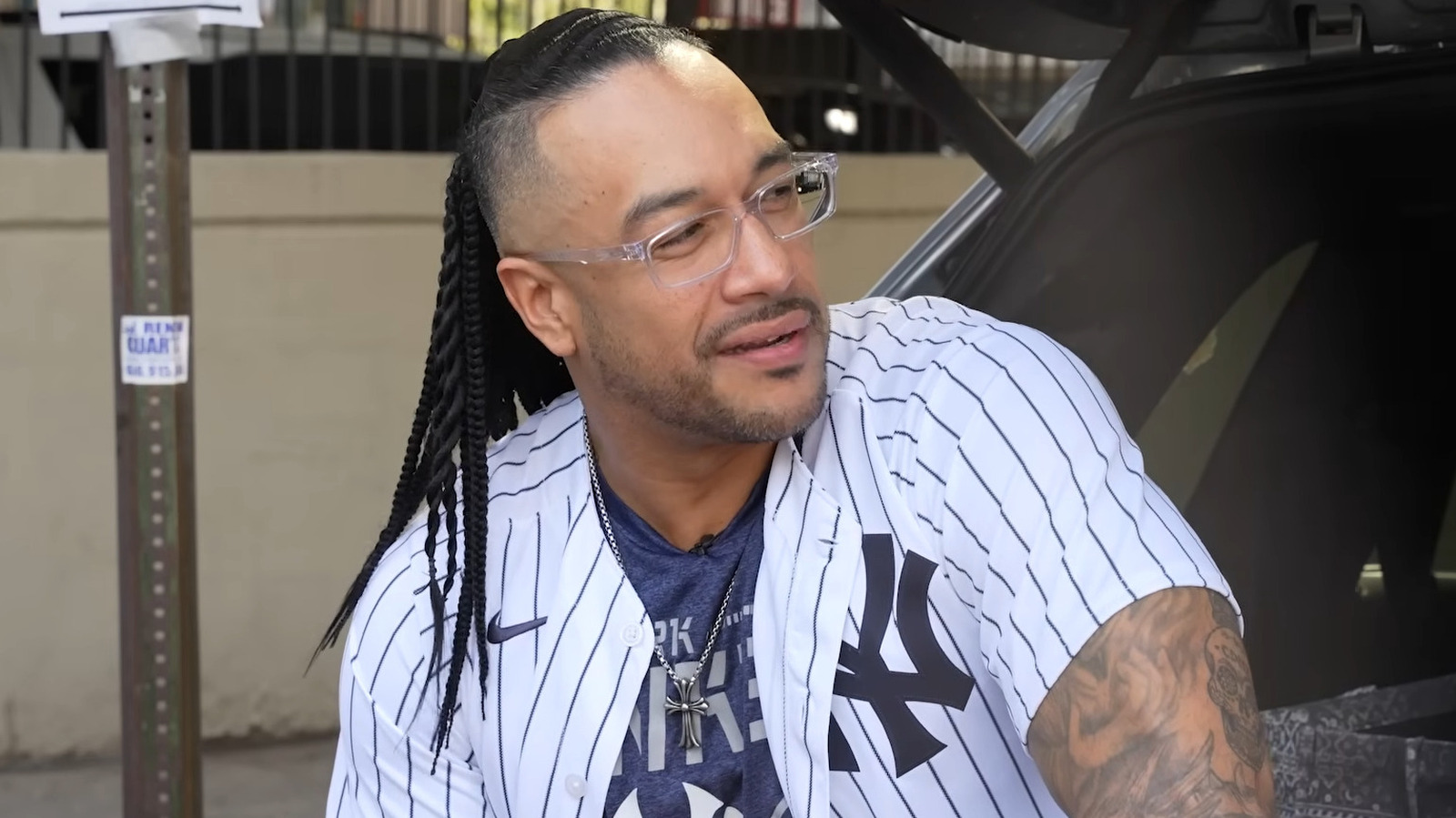
Damian Priest recently addressed the boundary between fan enthusiasm and professional harassment. His decision to confront a subset of fans who crossed physical boundaries during a tour stop drew immense attention. It remains a watershed moment for how performers view their safety in unscripted spaces. As Wrestling Inc documented, Priest was forced to pull back from the curtain to address inappropriate conduct directly. While necessary, the situation highlighted a troubling lack of oversight at ringside.
2. The Judgment Day implosion
The fracture within Judgment Day was the most anticipated story of the first half of the year. When the group finally turned on Priest, the betrayal felt earned rather than rushed. Rhea Ripley’s absence left a power vacuum that nobody managed to fill effectively. The resulting chaos at the mid-year event was a booking masterclass in long-term narrative payoff.
3. The surprise return in Manchester
Returning talents often land flat, but the pop in Manchester proved otherwise. The crowd engagement was electric, reminding the locker room that prestige matters more than predictable scripts. It elevated the mid-card talent involved in the ensuing brawl, though the follow-up creative left much to be desired. High peaks like this frequently mask the repetitive nature of weekly television pacing.
4. The 30-minute iron man conclusion
Iron man matches are notoriously difficult to pace without losing the audience during the lull periods. This instance succeeded by keeping the count at 2-2 for the final five minutes of intense grappling. It forced a desperate sprint finish that felt authentic. The technical output here ranks high because it required genuine stamina over theatrical performance art.
5. The betrayal at the PLE
The sudden turn during the tag team tournament remains the most jarring visual of the year so far. Watching a long-standing partner hit a finisher from behind at the 14-minute mark shifted the entire division's trajectory overnight. It was cold, calculated, and effectively ended a three-year alliance. Some fans complained the execution was too slow, but the emotional impact was undeniable.
6. The ladder match carnage
Ladder matches have become a crutch for lazy booking, but this execution was different. With an emphasis on safe but high-impact spots, the participants pulled off moves that felt dangerous without turning the affair into a car crash. The winning grab happened after a failed table spot that nearly crippled both competitors. It serves as a reminder that physical risk must have a narrative purpose.
7. The unsanctioned locker room brawl
This was cinema-style brawling that actually worked. By moving away from the ring, the performers engaged in a chaotic scramble that smashed through production sets and office doors. It felt gritty, though the shaky camera work made tracking the actual strikes a chore. When you lose the core combatants in the handheld jumble, the kinetic energy dies instantly.
8. The submission masterclass
Mid-card technical matches rarely draw, but this bout was the exception. By focusing on limb work for the first ten minutes, the eventual finish—a sleeper hold transition—felt earned. It was a refreshing pause from the kick-out-at-one tropes currently plaguing the product. If the division wants more eyes, they should mirror this match’s psychological focus.
9. The unexpected championship swap
Title changes are frequent, but this one carried massive weight because it happened on a Friday show. Moving the gold without a pay-per-view buildup was bold. It signalled that the front office is willing to abandon tradition to chase ratings spikes. While it improved the weekly flow, the lack of a proper buildup made the reign feel temporary from day one.
10. The contract signing collapse
Contract signings are the most tired trope in the business. However, this iteration stands out because of the absolute refusal to play along with the scripted dialogue. When the challenger flipped the table and shredded the documents before a single word was spoken, it broke the monotony. It was a small tweak that made the inevitable match matter significantly more to the casual audience watching at home.
Honorable mentions
The surprise Royal Rumble entrant that lasted 42 minutes, the botched main event finish that required an emergency reset, and the tag team ladder match that went just three minutes too long. These moments didn't make the top ten because they either relied on shock value or suffered from poor execution in the ring. The industry remains split on whether these risks are worth the eventual payoff.
The Big Picture
The 2026 season shows a clear tension between traditional wrestling storytelling and the need for viral, high-velocity segments. Fans are demanding deeper character stakes while the producers continue to lean into physical spectacle to maintain weekly traffic.