The Big Picture
Eric Bischoff altered the trajectory of professional wrestling by weaponizing his ego and a massive television budget. His career spans from chaotic WCW boardroom maneuvers to his controversial WWE tenure as Raw General Manager, leaving a trail of broken promotions and redefined television standards.
10. The WCW Power Struggle
Ranking last because it defined his entire early identity, Bischoff's elevation to Executive Producer marked the end of the traditional wrestling promoter. He bypassed territorial norms by signing talent like Hulk Hogan to exclusive contracts. This shift destroyed the NWA's influence and centralized power in Atlanta. It remains the most commercially successful risk in industry history, even if it eventually contributed to the fiscal rot of the company.
9. The NWO Inception
Bischoff knew that for WCW to compete, the audience needed to believe the promotion was under siege. By aligning with Kevin Nash and Scott Hall for the Bash at the Beach 1996 angle, he blurred the lines between reality and scripted television. This move literally saved the company from obscurity for a three-year window. It earns its spot for changing the viewer's expectations of what a main event could actually look like.
8. Managing the Booker T Fallout
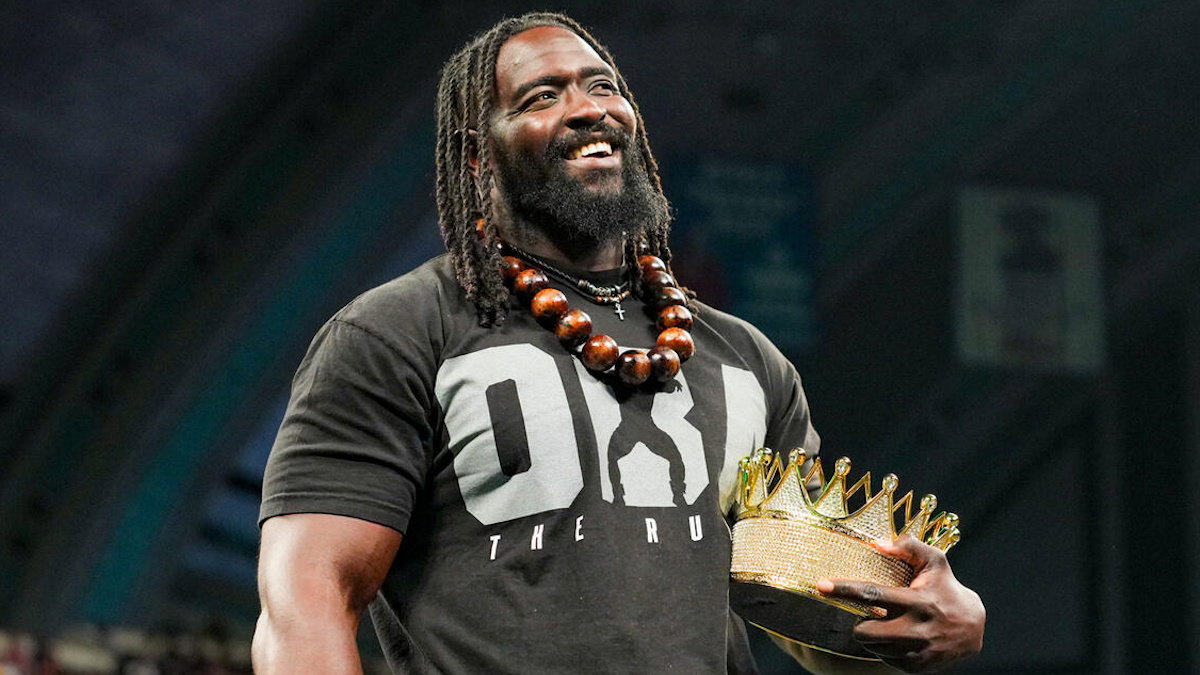
The infamous Booker T promo involving the N-word remains a stain on the 1997 archive. Bischoff recently clarified the backstage panic, noting that the reaction was not one of performative outrage, but absolute terror regarding the television network's potential lawsuit. As reported by Ringside News, the management scramble highlights the thin line Bischoff walked between reality TV and live professional wrestling. His handling of the aftermath proves he was often more of a crisis manager than a booker.
7. The Raw General Manager Era
Bischoff entered the WWE as a heel authority figure, a concept he practically invented. Serving as Raw General Manager, he played off the real-life animosity following the Monday Night Wars. While it started strong, it quickly felt like a victory lap for Vince McMahon, who had effectively bought his greatest rival. The booking often devolved into self-indulgence that stalled mid-card momentum.
6. The Heat-less Heel Critique
Bischoff recently claimed that no WWE heel has generated legitimate heat in the last three decades, a take that ignores modern narrative structure. By measuring today's talent against the 1990s, he reveals a fundamental disconnect with contemporary viewing habits. According to Wrestling Inc, this stance suggests he expects wrestlers to incite physical violence from the crowd rather than just selling merchandise. It is a dated methodology that misses the point of modern wrestling economics.
5. Nitro's 83-Week Streak
The 83-week ratings win streak is his greatest statistical achievement. It fundamentally forced WWE to evolve their product or face an existential threat. This period represents the absolute peak of his influence, where his decisions dictated the industry's pace. Without this sustained pressure, the Attitude Era in WWE likely never happens at the pace it did.
4. The Failed WWE Championship Run
Bischoff's short stint as a Championship Committee member focused on high-level strategy but failed to replicate WCW's agility. It is ranked here because it represents the moment his golden touch undeniably faded. His inability to adapt to the WWE corporate structure highlighted his reliance on autonomy. His influence in this role was largely negligible compared to his past output.
3. The Death of WCW
You cannot discuss Bischoff without the collapse of his creation. While he wasn't alone in blame, his inability to control ballooning contracts and the firing of key personnel like the writing staff in 2000 cratered the business. It serves as a reminder that an aggressive strategy only works if the bank account is infinite. This remains his greatest failure as an executive.
2. The Monday Morning Pivot
Bischoff realized earlier than most that wrestling fans were tired of cartoon characters; they wanted intensity and violence. Transitioning the Nitro product toward a tougher, more realistic aesthetic shifted the entire genre. This was not just a branding exercise but a total overhaul of the product. Every promotion today owes their current television format to these specific structural changes made in 1995.
1. The Creation of the Cruiserweight Division
While the NWO gets the press, the Cruiserweight division was Bischoff's secret weapon for quality control. High-flying talents like Rey Mysterio Jr., Dean Malenko, and Eddie Guerrero provided a technical balance to the Hogan-centric main events. This focus on athleticism over pure spectacle made the undercard essential viewing for the first time in wrestling history. It is the one part of his legacy that aged perfectly, setting the standard for the modern aerial style seen across AEW tapings, such as those recently involving struggling roster members trying to regain relevance.
Honorable Mentions
Bischoff's run in TNA Wrestling is often forgotten, though it provided a fleeting rise in credibility for the promotion. His brief tenure running the business operations at Miller Lite is another footnote of a man who constantly pivots between industries. Finally, his podcast presence keeps his name in the cycle, even when his takes lean toward the hyperbolic. These moments don't change history, but they confirm he never truly left the spotlight.