The Big Picture: Defining the Voice of a Generation
Jim Ross is more than an announcer; he is the rhythmic heartbeat of professional wrestling history. His career covers four decades of pivotal angles, from the NWA era to the current AEW roster. While he is currently battling health setbacks during a 22-day hospital stay in Norman, his legacy remains anchored in the most explosive calls in the industry.
The Professional Standard
1. The Mankind 'Hell in a Cell' Call. Nothing beats the sheer panic in his voice when Mick Foley took that second bump through the announcer table. His delivery of "Good God Almighty, they killed him" defined the Attitude Era's lawlessness. It remains the most played clip in WWE history for good reason. No other commentator has ever matched that level of genuine, visceral horror.
2. The Stone Cold Steve Austin Turn at WrestleMania 17. The turning point of professional wrestling required the perfect play-by-play execution. Ross captured the shock of seeing Austin shake hands with Vince McMahon, turning a heel alignment into a seismic event. His confusion and subsequent horror provided the necessary emotional anchor for the audience. The scale of this moment stands above everything else in the 2000s.
3. The Rise of the Rock. Throughout 1998, Ross elevated The Rock from a generic mid-card talent to a main event monster. His ability to emphasize Rock’s verbal dominance made every segment in the AEW commentator's past feel like a must-watch affair. He turned a crowd that hated a babyface turn into a crowd that hung on every syllable. It was the masterclass in building a star through personality-driven commentary.
4. The Foley Championship Win in 1999. Ross famously screamed during the transition from WCW to WWF, "Austin 3:16 says I just whipped your ass." He perfectly timed the build for the title change on Raw. It was the moment fans shifted their allegiance permanently. Only Jim Ross could make a taped Monday night show feel like a live, world-altering spectacle.
5. The Arrival of Brock Lesnar. When Lesnar decimated the Hardy Boyz in 2002, Ross focused on the brutality of the amateur credentials. He made the technical wrestling look painful without ever becoming hyper-analytical or distracting. This established Lesnar as a credible physical threat instantly. It was a perfect marriage of commentary pacing and in-ring storytelling.
6. The Iron Man Match: Bret Hart vs. Shawn Michaels. This marathon match at WrestleMania XII required endurance and nuance that most broadcast teams struggle to maintain. Ross transitioned from technical play-by-play to emotional exhaustion as the clock ticked down to zero. He handled the scoreless draw with a grit that sold the physical reality of the sport. It stands as the benchmark for how to call a long-form main event.
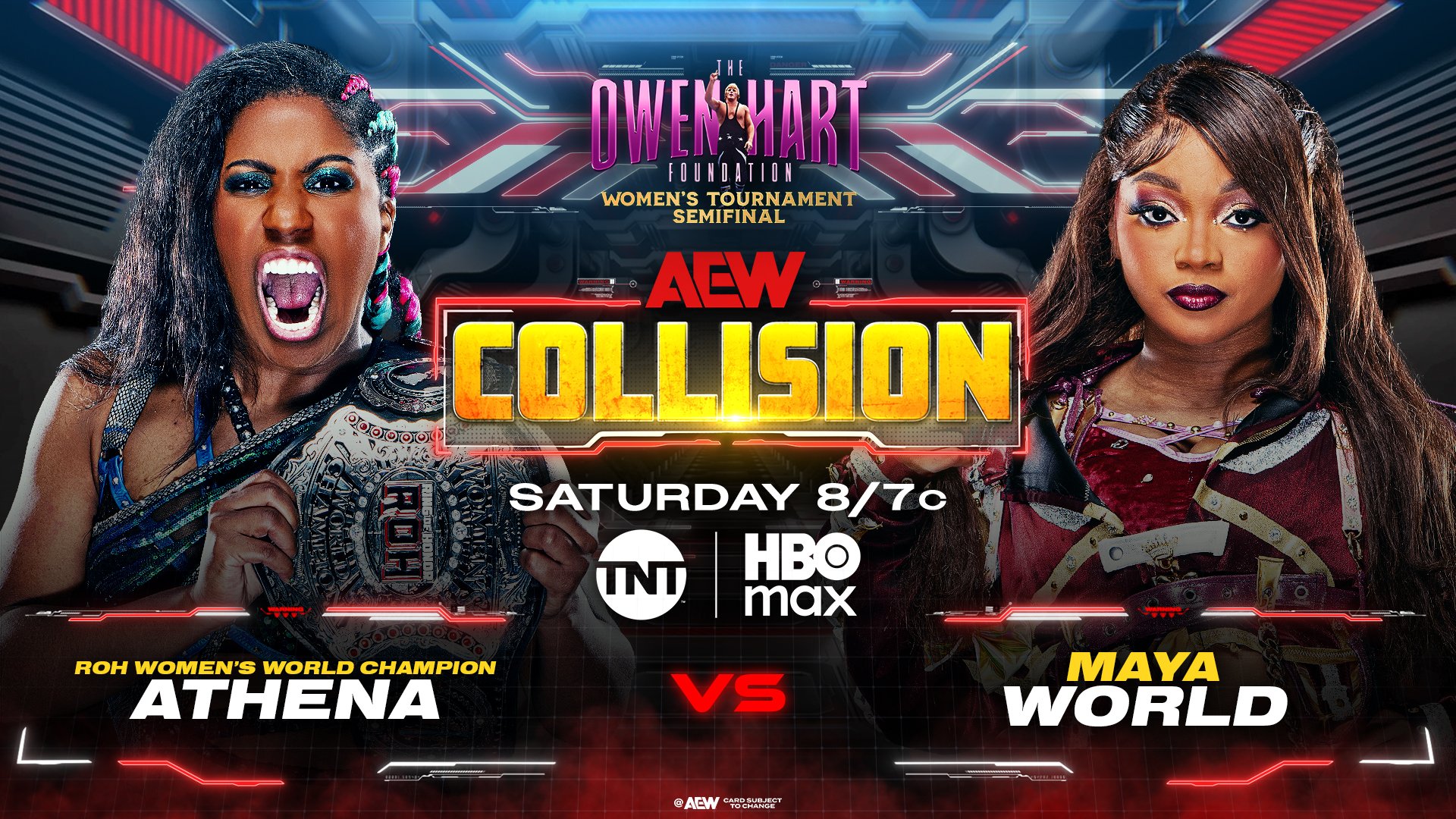
7. The AEW Collision Debut. Moving to the Saturday night beat provided a fresh challenge for a man who had seen it all. Ross lent instant credibility to a brand-new show, proving he could still carry the load in a high-pressure environment. He offered a bridge back to the classic style of commentary that AEW often lacks. It was a vital anchor for the network deal's success.
8. The Triple H-Cactus Jack Street Fight at Royal Rumble 2000. This match remains a brutal look into the darker side of wrestling violence. Ross made the physical damage felt through the screen by emphasizing the sheer heart of the competitors. He stayed professional while describing the carnage of the thumbtacks and the barbed wire. It ranks lower only because it was an accumulation of spots rather than a tectonic narrative shift.
9. The Outsiders Invasion. While the WCW commentary team floundered, Ross maintained his composure to sell the threat of Hall and Nash. He sold the danger of the WCW invaders as an outside, uncontrolled force. His reaction to the debut of Syxx and the looming threat of Hogan added layers to the invasion storyline. It gave the unfolding drama a sense of genuine, unscripted fear.
10. The 1996 King of the Ring. Ross sat at the desk during the infamous Austin 3:16 promo that sparked an entire generation of creative direction. While he didn't do much talking, his steady presence provided a buffer for the chaos unfolding in the ring. A less composed announcer would have spoken over the moment into oblivion. He knew exactly when to fall silent to let history speak for itself.
The Critical View
Despite his status, recent years haven't been flawless. Critics note that his commentary on Wednesday nights often felt disconnected from the high-octane pace of the modern style. His tendency to fixate on technical errors or slow beats sometimes hampered the energy, as various reports have highlighted regarding his workload. Even the best legends have a shelf life, but his impact remains undeniable.
Honorable Mentions
His work during the Mid-South Wrestling era serves as a masterclass for any aspiring announcer looking for legitimacy. His feud-turned-partnership with Jerry Lawler remains the gold standard for broadcast chemistry. Despite his current health issues, his influence continues to reverberate through every broadcast desk in the industry today.