Measuring The Hardcore Legend
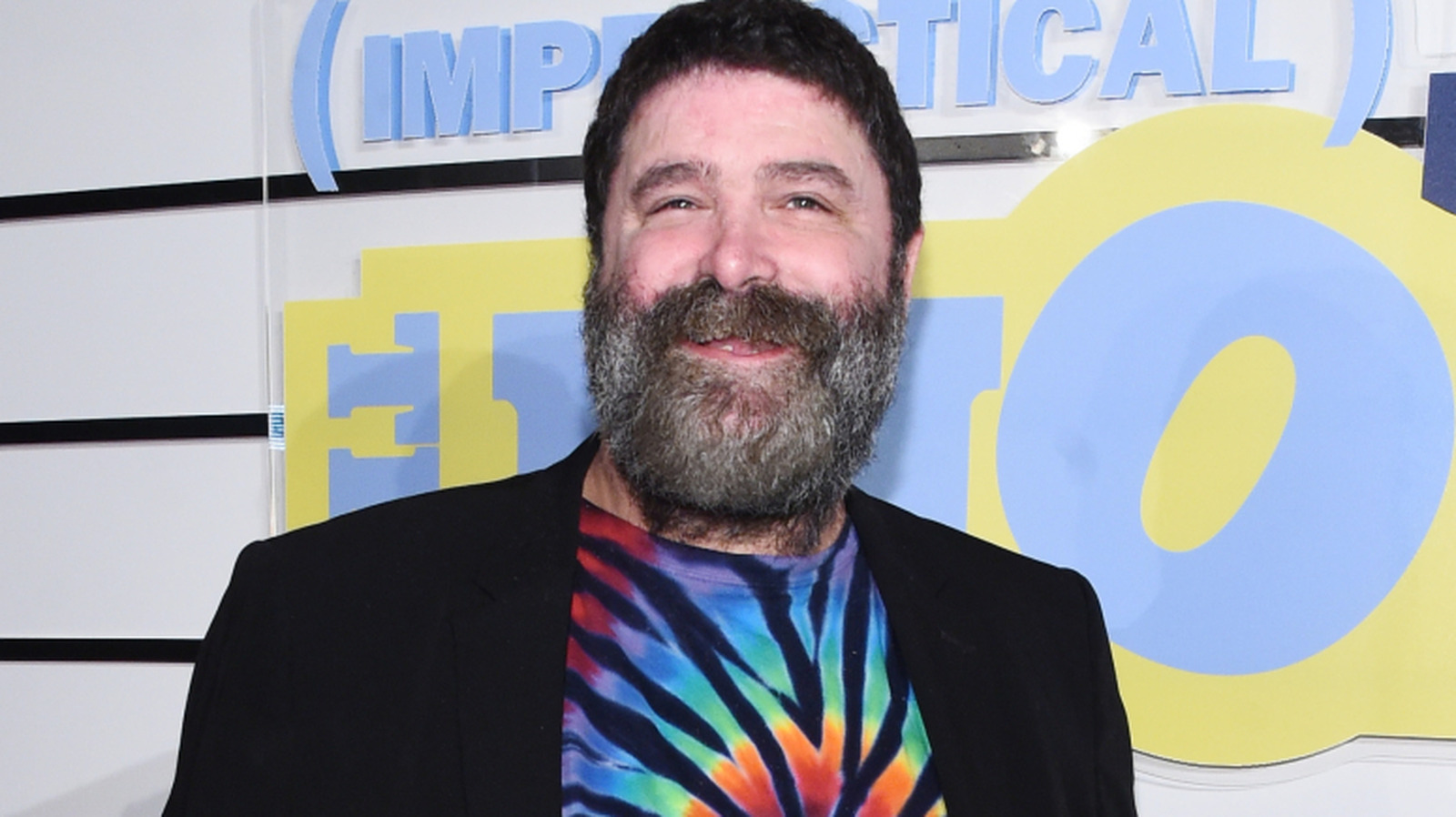
Mick Foley is the rare talent whose legacy defies standard metrics, shifting from a visceral brawler to an industry elder statesman. His career is a collection of high-risk gambles that redefined what a lead babyface could look like in professional wrestling.
10. The AEW Connection
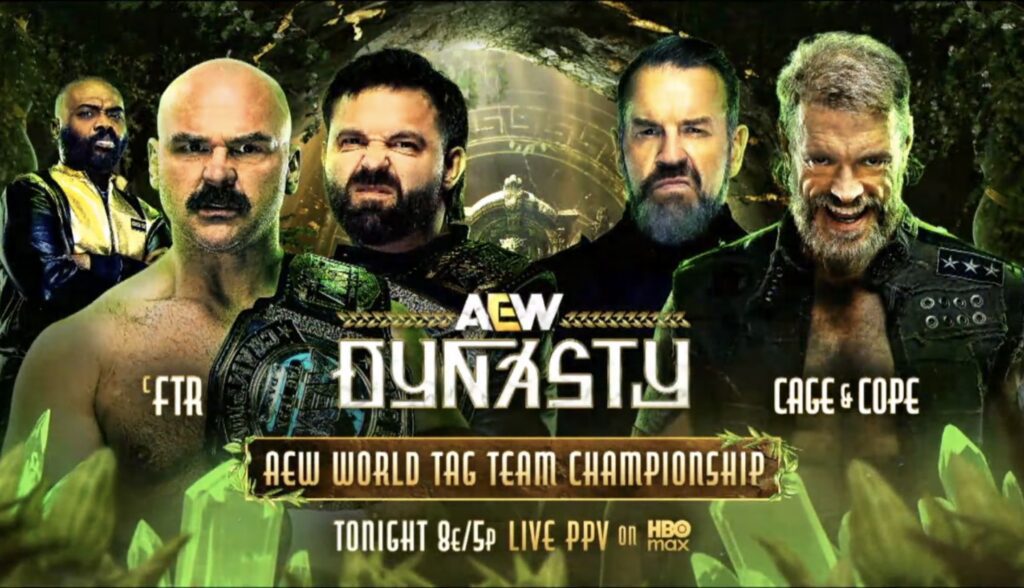
Foley recently publicly endorsed his affinity for Tony Khan, marking a symbolic pivot in his twilight years. By aligning with AEW, he signaled a departure from the traditional WWE Hall of Fame exclusivity that once defined his post-in-ring career. This move carries weight simply because it defies the expected retirement path of a former WWE champion.
9. Supporting Rebel
During her ongoing fight with ALS, Foley joined Britt Baker for a bedside visit to see their AEW colleague. While this isn't a wrestling moment in the traditional sense, it showcases the genuine empathy that made his crowd-favorite runs during the late nineties possible. It ranks here because character authenticity is the primary reason he remained relevant for three decades.
8. Mentoring MJF
Foley has become a vocal supporter of MJF's developmental trajectory within the modern field. By lending his credibility to a younger generation, he validates the newer promotional style that prioritizes mic work over strictly technical output. Some critics argue his endorsement is too soft on modern heels, yet his influence on the current locker room remains undeniable.
7. Rejecting the WrestleMania Requirement
Foley famously pushed back on the narrative that performers must secure a WWE signature event to validate their status. As Wrestling Inc reported, he insists that legacy is built on the performance, not the stage. This perspective ranks high because it challenges the corporate monopoly on historical importance, a rare stance for a former WWE icon.
6. The 1998 King of the Ring Fall
The double-fall from the top of the Hell in a Cell structure remains the single most dangerous spot in company history. Foley took a 16-foot plunge through the announce table, suffering a concussion and dislocated jaw that would have ended a lesser career. It stays at number six because, while spectacular, it set a dangerous precedent for future generations to ignore physical safety entirely.
5. The First WWE Championship Win
On January 4, 1999, Foley defeated The Rock in a match that drew over 600,000 viewers away from the opposition during the Monday Night Wars. This victory proved that an underdog character could anchor a promotion against a superior physical specimen. It remains the gold standard for how to book a payoff for an unconventional face.
4. The Mankind Persona
The transition from the Cactus Jack brawler to the deranged Mankind character in 1996 showcased his range as a psychological performer. Mankind was a masterclass in gothic storytelling and slow-burn character development that peaked during his feud with The Undertaker. It ranks this high because without this specific creative shift, he would likely have been a mid-card journeyman.
3. The Corporate Ministry Rivalry
Foley functioned as the primary defensive wall against the most dominant faction in the history of the company in early 1999. His ability to anchor main events while providing consistent entertainment value kept the ratings inflated during a period of heavy competition. His willingness to consistently place the team interest above his personal win-loss record solidified his status as a locker room leader.
2. The Three Faces of Foley
Rarely does a talent successfully manage three distinct personas across the same calendar year, but he pulled it off with Cactus Jack, Mankind, and Dude Love. This versatility allowed him to work effectively against technical wrestlers, brawlers, and comedic acts simultaneously. It ranks above almost all else because it showcased a creative depth that no other performer has successfully matched since.
1. The 1999 'I Quit' Match at Royal Rumble
This match is the definitive example of the internal struggle between the man and the performer. Foley suffered through a brutal chair-to-head exchange that pushed the boundaries of permissible TV content to the absolute limit. It earns the top spot despite being criticized today for its lack of regard for long-term health, as it defined the sheer stubbornness that propelled him into pop culture stardom. While management regimes have shifted at his former home, the grit he displayed in this bout has arguably never been replicated.
Honorable Mentions
His 2004 feud with Randy Orton, which finally silenced those who claimed he could no longer wrestle a high-intensity main event. His unscripted podcast appearances that forced the industry to become more transparent about backstage procedures. His literary contributions, which shifted the expectation for how wrestlers document their careers beyond simply reading a teleprompter.