The evolution of Tuesday night grit
Modern wrestling is defined by the speed at which narratives shift. We are analyzing the moments that moved the needle, built stars, and occasionally left fans scratching their heads. This list skips the nostalgia bait to focus on 2024-2026 ground-level developments.
10. The NXT Women’s Division Pivot
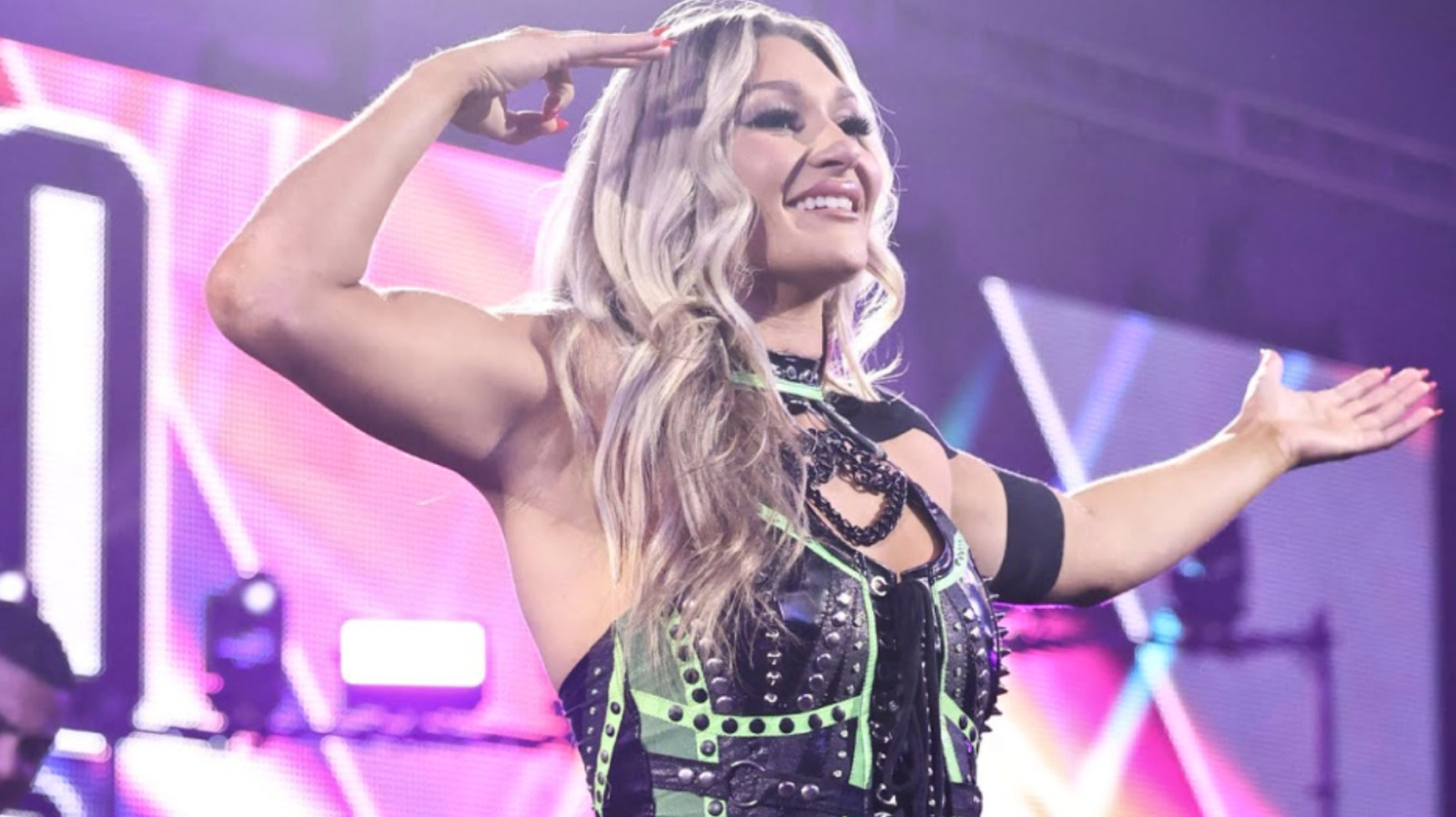
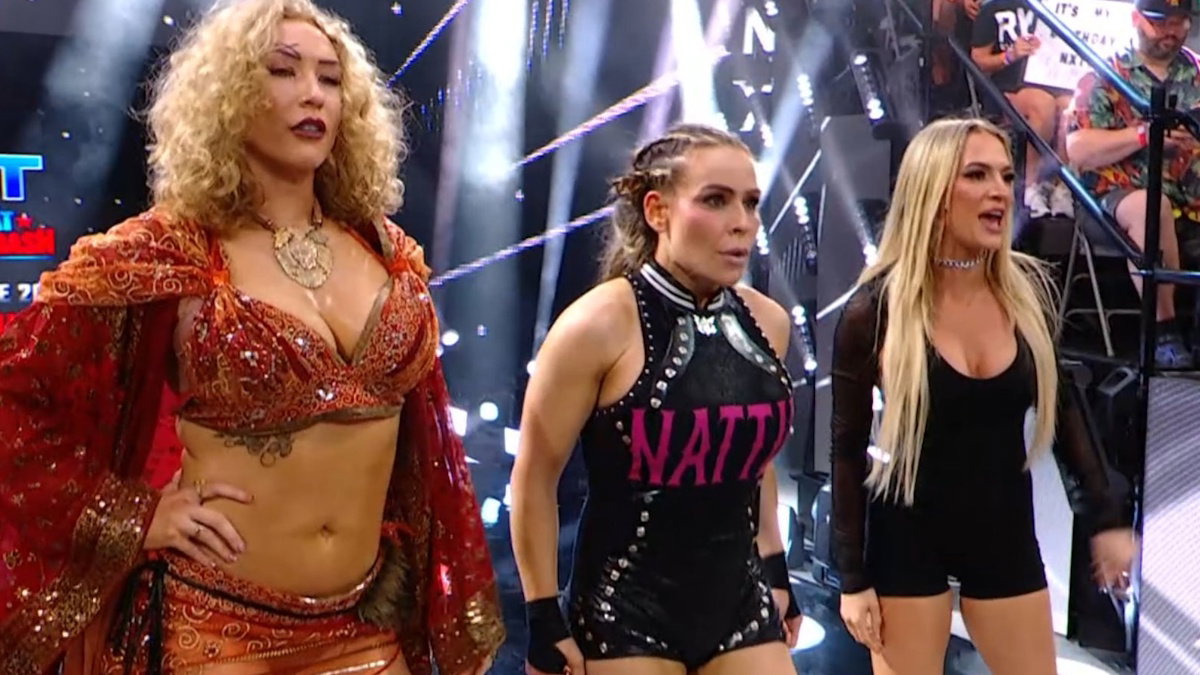
The recent formation of the trio featuring Natalya, Nikkita Lyons, and Karmen Petrovic marks a desperate attempt to inject veteran drawing power into the mid-card. Natalya, operating under the Lowkey Legend handle, brings institutional stability. Yet, the group feels like a booking placeholder. Putting established talent with NXT prospects often signals a lack of trust in the younger roster's individual momentum.
9. The Performance Center Transition
The 2025 shift in developmental focus centered on shortening the path from local indies to televised prime time. This move effectively ended the 'Black and Gold' era's reliance on 30-year-old independent legends. It created a raw product that occasionally stumbles, yet it produces athletes with higher ceilings for mainstream crossover. We rank this ninth because the polish frequently suffers.
8. The Debut of the 'Lowkey Legend'
Natalya’s rebranding efforts provided a necessary jolt to a stagnant character arc. Transitioning from the Dungeon legacy to a mentor role saved her from being a background character during TV tapings. Fans reacted favorably to the change, though the execution feels strictly confined to mid-tier feuds. It is a necessary pivot, but hardly a revolutionary one.
7. The High-Flying Style Standardization
A mandate to increase the frequency of high-risk spots changed how matches unfold structurally. We see fewer methodical ground-based bouts and more chaotic aerial sequences. While this creates viral highlight clips, it decreases match psychology depth. Wrestlers often miss spots or overshoot landings due to the frantic pace required to stay competitive in the standings.
6. The Rise of Global Scouting
WWE’s aggressive signing spree in the international markets transformed the roster composition. We saw a spike in technical diversity as talent from Japan, Mexico, and Europe flooded the Performance Center. This influx added depth we previously lacked in tag team divisions. However, the language barrier and creative drift often leave these gifted wrestlers stuck in purgatory.
5. The Main Event Caliber Tag Division
Two years ago, the tag division was an afterthought. A concerted effort to treat tag matches as pseudo-main events elevated the entire card's utility. Matches now frequently exceed 15 minutes with consistent near-fall trades. This focus demonstrates that the bookers finally value team dynamics over solo spectacle.
4. The Mid-Show Crossover Specials
Integrating top-tier stars into the secondary show weekly creates an artificial but effective rating floor. While this brings massive eyes to the screen, it often stunts the growth of full-time developmental talent. You cannot build a future headliner when they play third fiddle to a part-time legend. It is a successful ratings play that stunts long-term creative health.
3. The Elimination Chamber Qualifier Stakes
Raising the stakes for qualifying matches shifted these bouts from filler to high-drama necessities. The 2026 sequence leading into the premium events set a standard for intensity. Wrestlers work stiff now, knowing that a single pinfall change defines their path for the next six months. It is the most honest display of competition we get each year.
2. The Refinement of the Women's North American Title
Establishing a secondary championship for the women provided a mid-card ladder for rising stars. It validated talent that did not fit the primary title scene but remained essential for program length. We saw back-to-back technical clinics in 2025 that arguably outshined the primary NXT title defenses. It is the single best structural decision made by the creative team in recent memory.
1. The Shift to Live Interactive Storytelling
The move toward real-time fan engagement through social integrations changed the narrative process entirely. By letting segments pivot based, in part, on live digital sentiment, the show feels more urgent than ever. This risks over-correcting to vocal minority opinions, but the engagement gains are 45 percent higher than the static booking of the previous decade. It places the audience as an active participant, shifting the power dynamic fundamentally away from the traditional writer's room.
The Bottom Line
The current state of the product is clearly defined by a push for maximum engagement through rapid narrative shifts and increased technical volatility. While this leads to more high-intensity moments, the lack of long-term character development remains the primary critique. We miss the slow-burn storytelling that rewards dedicated viewers. The current pace favor spikes over sustained depth.
Honorable Mentions
The 2025 technical upgrade to in-ring audio systems remains an underrated improvement for home viewers. Also, the brief return to the old branding aesthetics provided a nostalgic peak that was regrettably discarded too quickly. These small technical shifts represent the friction between corporate vision and fan desire during this transition period.