The Big Picture
Professional wrestling is a business built on split-second decisions that define legacies for decades. The following ten moments forced the industry to pivot its creative direction, business strategy, or cultural perception.
The Ranking
10. The Montreal Screwjob
Bret Hart exiting the company in 1997 under duress remains the most famous case of reality bleeding into the product. It transformed Vince McMahon from an owner into a television character, arguably the most important shift in company history. It ranks tenth because while the drama was unmatched, the impact was limited to the confines of the company's own booking reality.
9. The WCW Monday Nitro Debut
Eric Bischoff launching a competing show on TNT in 1995 changed the sport forever. It ended the monopoly that had strangulated the industry since the 1980s. This moment earns its spot for forcing WWE to adopt a grittier tone or face extinction, even if the actual first episode of Nitro was a disjointed mess.
8. Hulk Hogan Joins the nWo
At Bash at the Beach in 1996, Hogan dropping the leg on Randy Savage shattered his decade-long heroism. It was the catalyst for the greatest financial boom in wrestling history. The only reason it sits here is that it eventually led to the bloated, repetitive booking that crippled WCW by 2001.
7. Stone Cold Steve Austin Wins King of the Ring
The 1996 Austin 3:16 promo wasn't just a soundbite; it was the birth of the anti-hero. It made the traditional white-meat babyface obsolete overnight. Critics argue the gimmick leaned too heavily on violence, but it undoubtedly saved WWE’s television ratings during a period of massive decline.
6. The Death of Owen Hart
This 1999 tragedy at Over the Edge serves as the darkest entry on this list. It exposed the absolute lack of oversight regarding performer safety and forced a permanent change in how high-risk stunts were managed. The company never truly recovered its innocence, and the legal fallout haunted their insurance and production mandates for years.
5. Brock Lesnar Ends The Streak
At WrestleMania 30, a F-5 at the 23-minute mark silenced the entire Mercedes-Benz Superdome. Watching The Undertaker lose after two decades of perfection was jarring and arguably wrong-headed from a legacy perspective. It ranks here because it proved that the company was willing to sacrifice its most protected asset to force a new era of dominance.
4. The 2011 Pipebomb Promo
CM Punk sitting on the ramp in Las Vegas changed the script forever by breaking the fourth wall. It brought internet discourse into the television product for the first time. The tragedy is that management never fully capitalized on the fire he lit, leading to his eventual departure and a cycle of missed opportunities.
3. The WCW Purchase
When Shane McMahon announced on live TV in 2001 that he bought his father out, the Monday Night Wars died in seconds. It turned the wrestling world into a singular entity for the next two decades. This was a business win for the company, but a massive loss for the fan experience as the lack of direct competition led to years of creative stagnation.
2. The WrestleMania 3 Main Event
Hogan slamming Andre the Giant in 1987 in front of 93,173 fans moved the industry from the arenas to the stadiums. It is the moment that validated the business as a national cultural phenomenon. Without this logistical gamble, the sport would have likely remained a localized regional spectacle rather than global entertainment.
1. The 1997 De-push of Curtis Axel
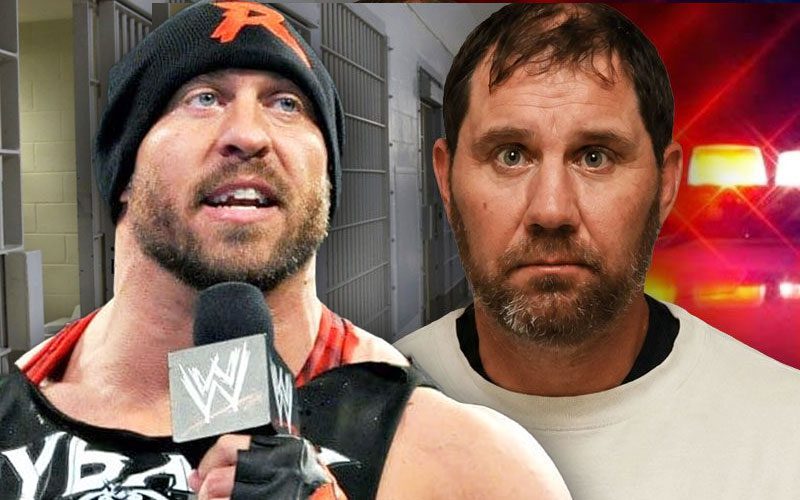
While outsiders celebrate mainstream triumphs, the real structural failures are often the most telling. The mismanagement of talents like Joseph Hennig, who recently faced legal hardship as Ringside News reported, highlights the human cost of the industry. These individuals had immense pedigree, yet the company failed to provide the necessary support or consistent booking. This systemic neglect remains the industry's biggest recurring flaw, taking the top spot for its sheer consistency in wasting elite-level potential.
Honorable Mentions
Mankind winning the WWE title for the first time in 1999, the debut of AJ Styles at the 2016 Royal Rumble, and the formation of the Four Horsemen narrowly missed the cut. Each provided unique value to the industry, even if they lacked the sweeping destructive impact of the primary list entries.