The Big Picture
In the high-stakes world of sports entertainment, a transition from the independent scene to the WWE roster often requires a total brand overhaul. A name change can signal a fresh start or bury a performer under corporate-mandated irrelevance.
10. Mike Santana to Cruz Montana
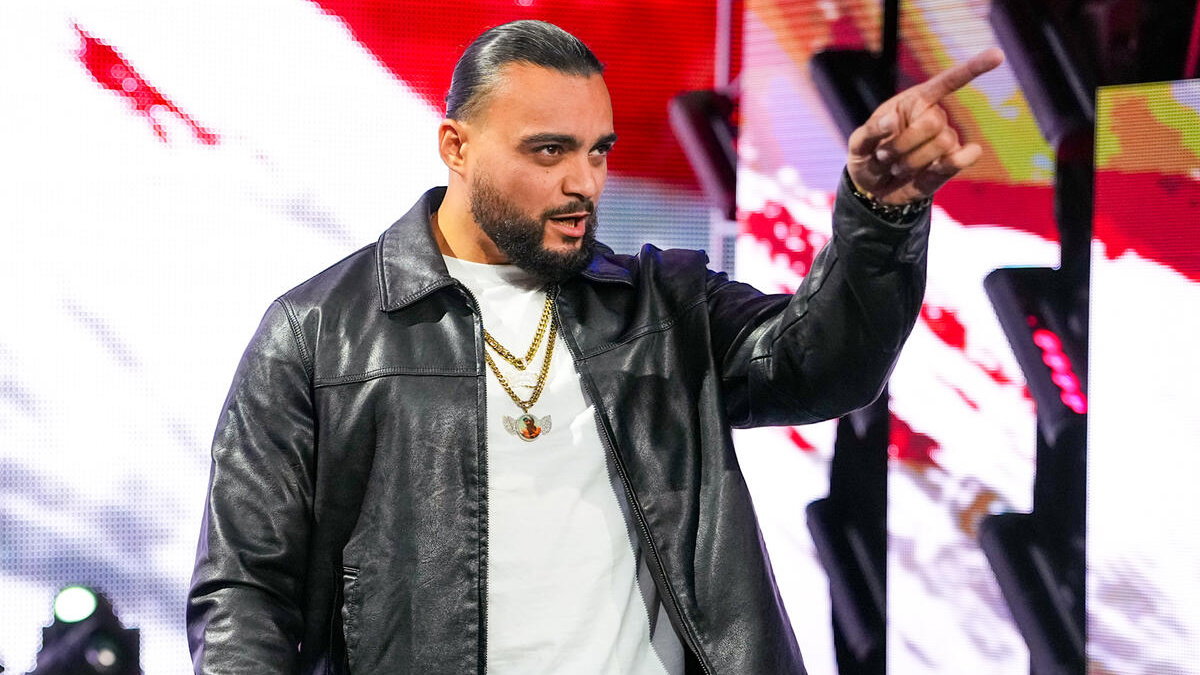
Mike Santana officially debuted on the July 21, 2026, episode of NXT to close out that week's broadcast. WWE filed trademarks for the moniker just days prior to his arrival. As PWInsider reported, the pivot to Cruz Montana is intended to move him away from his Proud and Powerful heritage. It ranks low because the name sounds like a discarded pilot character from a 1990s soap opera rather than a street-tough brawler.
9. Gunther to Walter
The transition felt like a step backward for one of the most imposing forces in wrestling history. WWE executives briefly experimented with changing his identity upon his main roster promotion, but the fan backlash forced a return to his roots. It serves as a reminder that some legacies are too strong for corporate rebranding.
8. Pete Dunne to Butch
Attempting to turn a technical master into a frenzied brawler with a goofy moniker was a booking failure. For eighteen months, the former Bruiserweight wore suspenders and acted like a rabid chihuahua. It was a clear attempt to force comedy into a spot that demanded legitimacy.
7. Rusev to Miro (The Reverse Shift)
While technically a shift out of WWE, the pivot proved how attached fans were to his original WWE-invented name. When he dropped the Rusev branding in favor of his actual identity, he gained instant momentum. It proved that sometimes the performer's authentic name carries more weight than any trademarked property.
6. Shelton Benjamin to Benjamin Shelton
This was a bizarre, short-lived experiment that confused everyone from the commentary desk to the cheap seats. You don't take a seasoned veteran and swap his first and last name to create artificial intrigue. It lasted exactly three weeks before the producers quietly abandoned the idea.
5. Matt Riddle to Riddle
Removing a first name is a classic WWE tactic to make a performer sound like a singular attraction. In this case, it worked largely because the character work remained consistent. It cleaned up his presentation without stripping away the stoner persona that made him popular in the first place.
4. Keith Lee to Bearcat
Adding a moniker to a proven main-eventer is one thing, but completely replacing his ring identity was a critical error. The name change felt forced and out of place with his existing aesthetic. It effectively cut the legs out from under a superstar who had momentum entering the main roster.
3. Bryan Danielson to Daniel Bryan
This is the gold standard for how to handle a rebrand during a promotion jump. They took a name synonymous with independent wrestling and flipped it to make it uniquely theirs. It kept the recognizable phonetic structure while allowing the company to claim total ownership of the star.
2. Jon Moxley to Dean Ambrose
The transformation from an unhinged deathmatch icon to a shield-bearing company man was jarring. It was a complete departure from his previous gritty path in the indies. History shows the name change worked, even if it eventually suffocated the raw aggression that made him a phenomenon.
1. Antonio Cesaro to Cesaro
Wrestling history is littered with performers who were burdened with two names and stripped down to one. Cesaro was the most successful example of this trend, as the single-name presentation gave him a sophisticated, dangerous aura. It removed the fluff and highlighted the athleticism of the Swiss Superman. When he eventually hit the Cesaro Swing to fans in every arena, the single name felt iconic. It is the gold standard for branding, proving that less is often much more in the ring.
Honorable Mentions
The list of failed rebrands is long, including names like Shorty G, Slapjack, and T-Bar. Each served as a stark reminder that a name change is only as effective as the booking behind it.