The Hierarchy of New Japan’s Tournament
The G1 Climax serves as the ultimate litmus test for the heavyweight division. As we move through the 2026 schedule, certain performances have defined the tournament's trajectory while others left fans questioning the booking logic of Gedo and company.
1. Yota Tsuji vs. Konosuke Takeshita (Night 1)
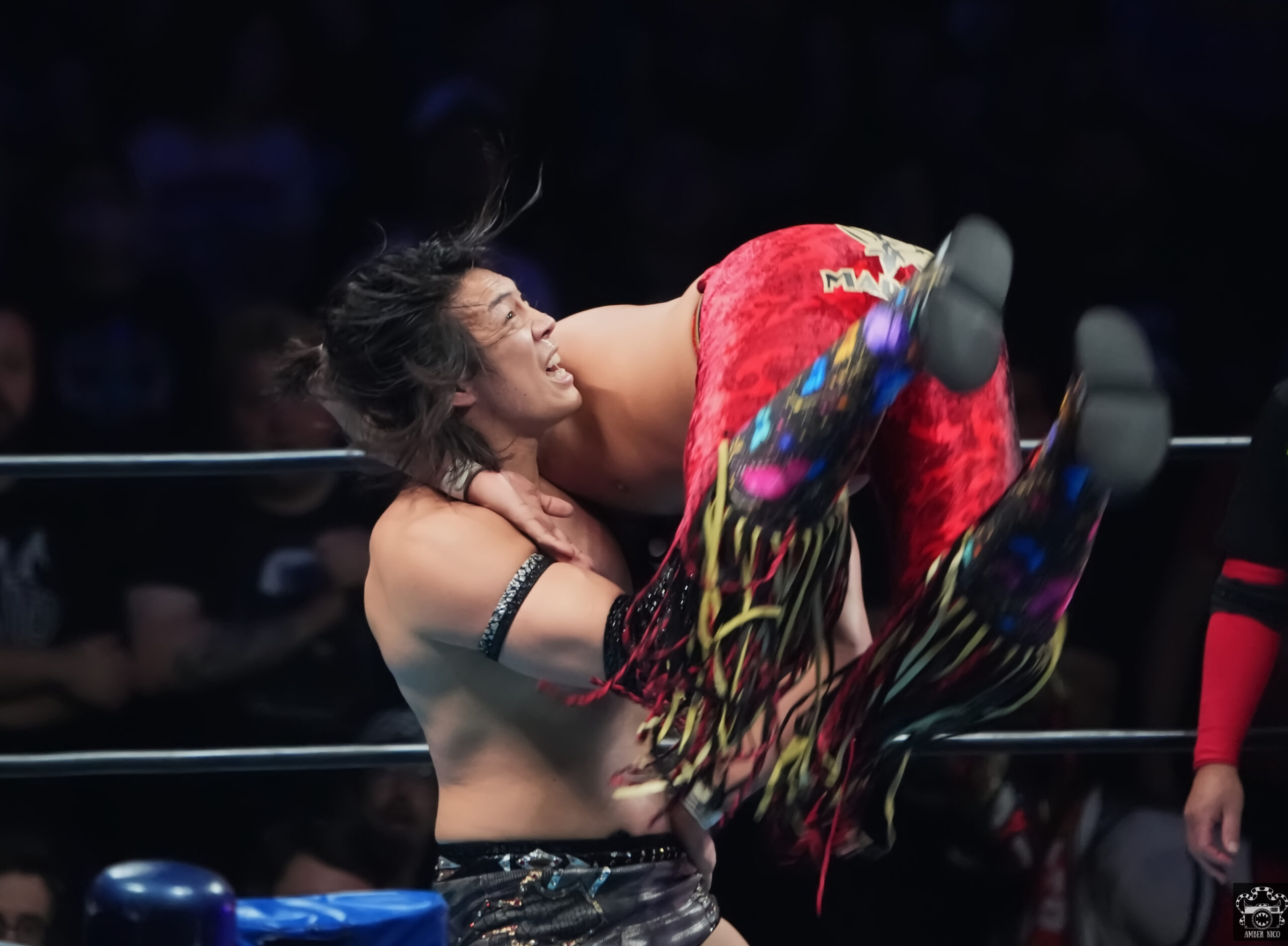
Chicago played host to the tournament's highest ceiling on opening night at the NOW Arena. Yota Tsuji securing the victory over Konosuke Takeshita wasn't just a win; it was a statement of intent for the new generation. Takeshita’s explosiveness clashed with Tsuji’s intensity, creating the match of the tour so far. This entry claims the top spot for its sheer star power and perfect execution in a high-pressure environment.
2. Shingo Takagi vs. Oleg Boltin (Night 4)
The encounter between Shingo Takagi and Oleg Boltin in Sendai was a masterclass in contrasting styles. Takagi brought the veteran grit needed to dismantle a monstrous opponent like Boltin. It represents the best of the current block format where fresh matchups feel meaningful. If this is the trajectory of the tournament, fans are in for a frantic final week.
3. Yota Tsuji vs. SANADA (Night 4)
Tsuji followed his Chicago success by navigating the technical maze that is SANADA. This match forced Tsuji to evolve his pacing, moving away from pure power displays. SANADA remains a difficult hurdle for any rising star, and Tsuji navigating this win proves his legitimacy. It sits here because it marks a growth spurt for a future ace.
4. Konosuke Takeshita vs. Yuto-Ice (Night 4)
Takeshita’s recovery from his Night 1 loss against Yuto-Ice was a necessary narrative turn. While Takeshita is clearly the superior athlete, Yuto-Ice pushed him to his limits in Sendai. This match highlighted why the young lion development system is critical to the G1's success. It ranks lower only because the margin for error for Takeshita is already shrinking thin.
5. Hirooki Goto vs. Dragon Lee (Night 4)
This clash of veterans and weight classes provided the variety that usually breathes life into a long tournament bracket. Goto utilized his size advantage, but Dragon Lee proved that high-flying speed remains a valid counteroffensive strategy. It was a stylistic palate cleanser that reminded us why the G1 is unlike any other tournament in wrestling. The pacing was impeccable, even if the final result felt predictable.
6. NJPW World Production Quality (Nights 1-4)
While the wrestling has been top-tier, the broadcast transition to global streaming remains the unsung hero of the tournament. The commentary team, featuring Walker Stewart and Henare, provided essential context during NJPW G1 Climax 36 Night 4. Consistent audio-visual output makes this yearly grind digestible for international viewers. It is a vital component that often gets taken for granted.
7. The Sendai Sun Plaza Hall Setting
There is a specific atmosphere in Sendai that creates a distinct energy for the tournament's early stages. The fans were vocal, providing a necessary jolt to the performers during the mid-card tag matches reported via PWInsider. This venue consistently delivers better crowd reactions than some of the larger, colder arenas. It earns its spot for enhancing the intensity of the mid-bracket bouts.
8. The Mid-Card Tag Team Storytelling
The undercard tag matches serve as the structural glue for the G1. They allow for sneak preview feuds and provide resting periods for the main event stars. While some might dub this padding, it is essential for the longevity of a multi-week tournament. Without these quick 10-minute bursts, the show would likely feel sluggish.
9. The Standings Sensitivity (After Night 5)
The updated standings following Night 5 reveal a cluttered field that keeps every match relevant. Having a logjam in the middle of the block rankings ensures that no wrestler can afford an early exit. This pressure cooker environment is what creates the best possible climax scenarios as we head toward August. It ranks low because the stakes have not yet hit their final boiling point.
10. The Booking Risks
Not everything has been gold. The decision to stack so much responsibility on younger talent like Yota Tsuji is brilliant but incredibly risky. If he runs out of gas by the final block day, the tournament ends on a flat note. This ranking acknowledges that sometimes we are one injury or one booking error away from a tournament collapse.
Honorable Mentions
The persistent presence of the Young Lions in auxiliary roles is commendable. Also, the international accessibility of the G1 via digital platforms continues to outperform traditional cable models. We should keep an eye on how these blocks shake out by July 28 as fatigue inevitably sets in for the roster members.