The History That Built TNA
TNA exists as a wrestling anomaly that refused to die despite inconsistent ownership and creative whiplash. These ten moments and figures represent the peaks of the organization's influence and the messy administrative reality that usually followed.
The Ranking of TNA Impact
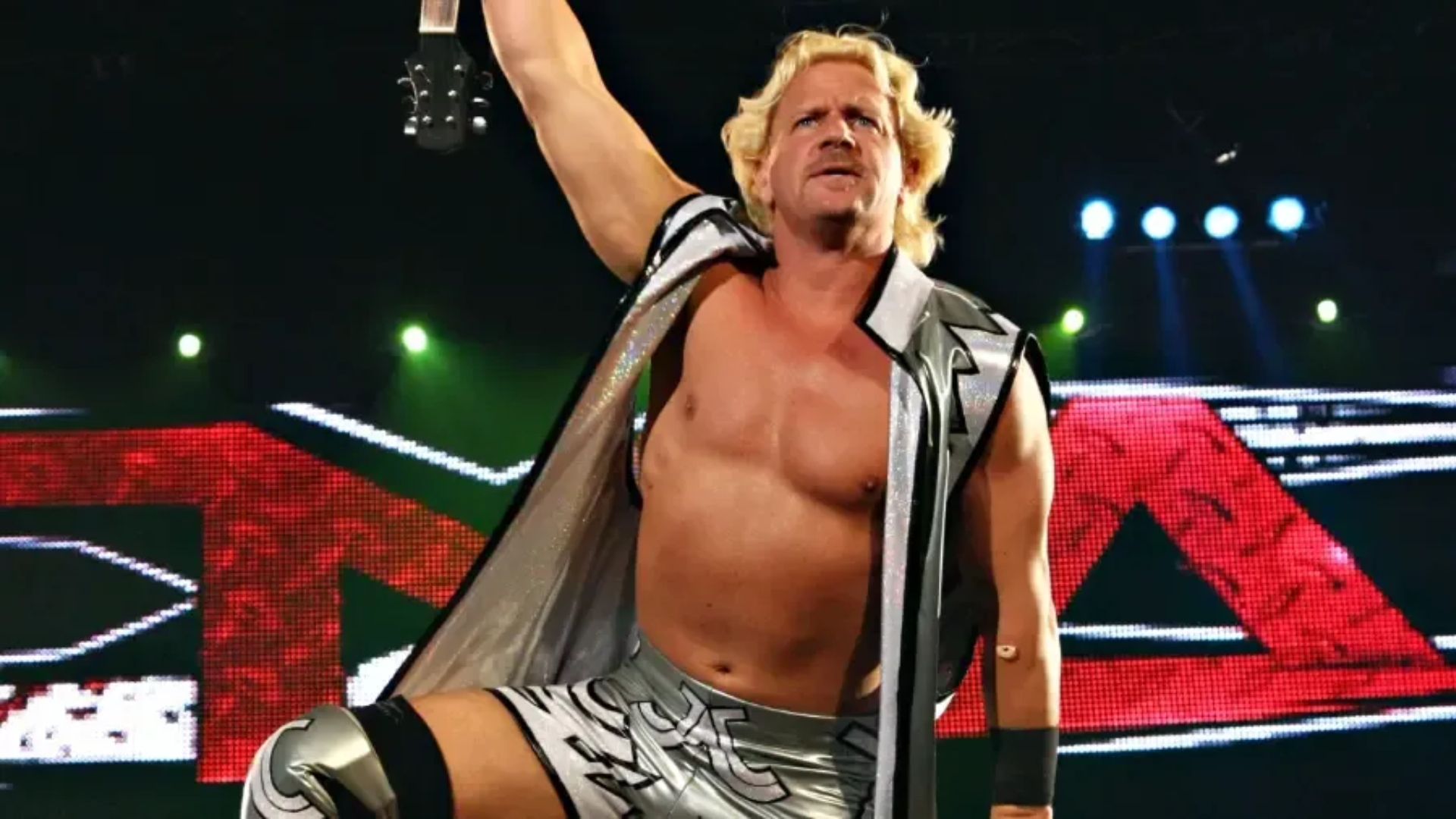
- Kurt Angle's Arrival: The legitimacy signal. Jeff Jarrett famously believes Kurt Angle personified the promotion, and he is right. Angle coming from WWE to TNA was the only time the company felt like a genuine alternative to the global leader.
- The Scott D’Amore Ouster: This was the turning point for the modern iteration. D’Amore, who secretly knew he was finished even during his triumphant Hard to Kill promo, left a void in leadership that has yet to be filled. His professional handling of the exit against the chaotic behind-the-scenes reality defined his tenure.
- The Attempted Buyout: Proof of D’Amore's commitment to the product. Reports confirm that D’Amore tried to buy TNA mere minutes after his final show concluded. It remains a fascinating footnote into how desperate the administrative state of the company felt in his final hours.
- The Jarrett-D’Amore-Carter Dynamic: A masterclass in organizational dysfunction. D’Amore has spoken openly about navigating the conflicting leadership styles of Jeff Jarrett and Dixie Carter. It explains, arguably better than anything else, why the company struggled to maintain consistent momentum during the 2000s and 2010s.
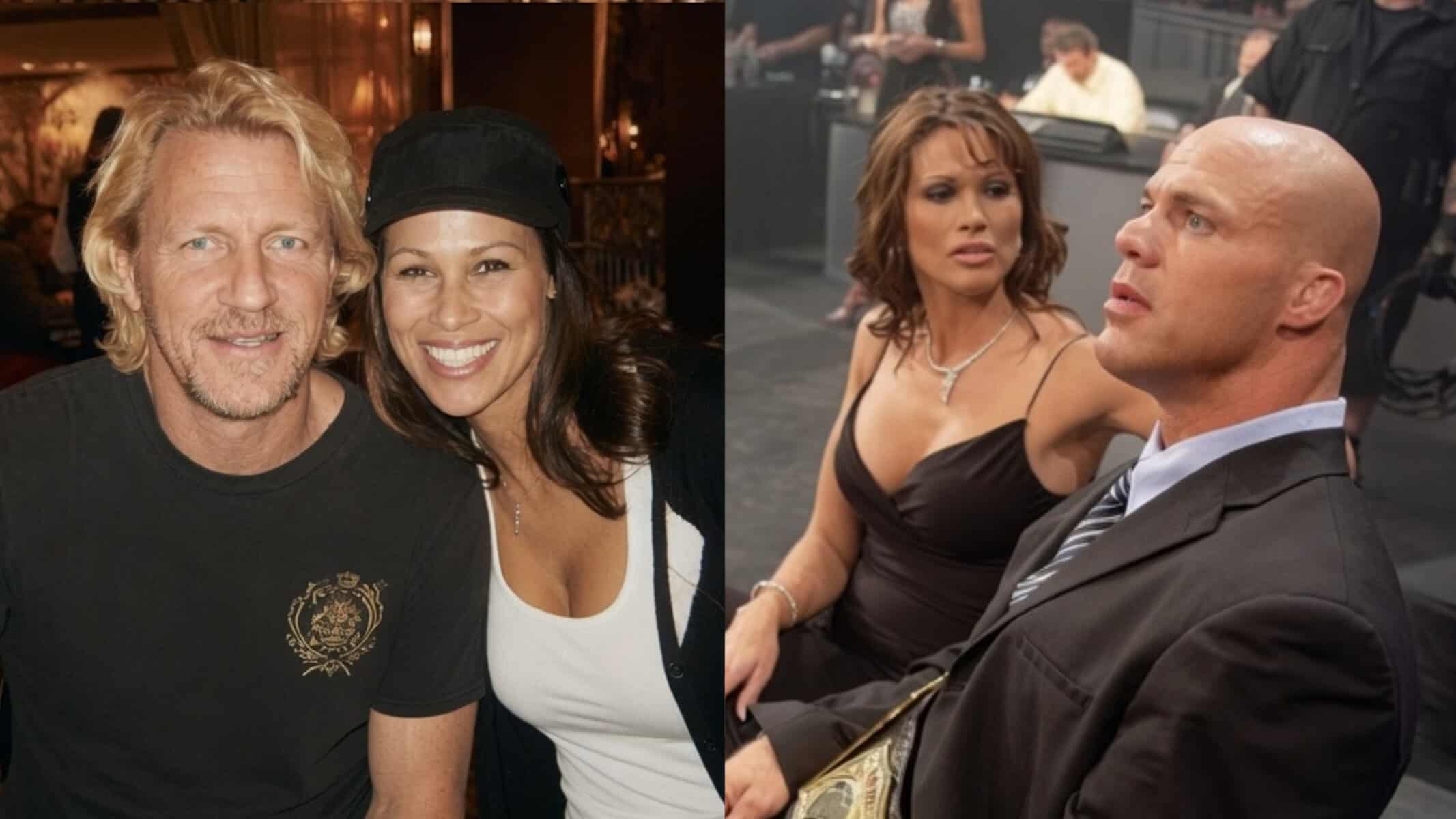
- Shelly Martinez vs. Management: The human cost of the Dixie Carter era. Martinez has been explicit about how her time in TNA left lasting scars, stating that Carter still triggers negative memories years later. It highlights a recurring issue in TNA history: talent relations often took a backseat to executive ego.
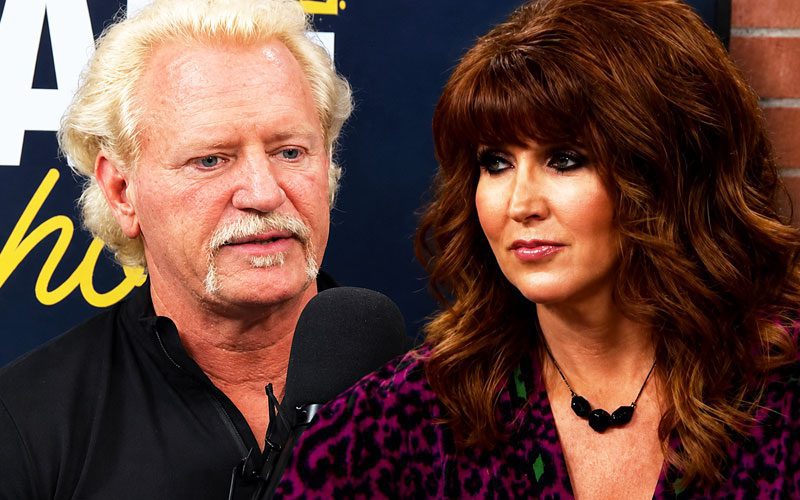
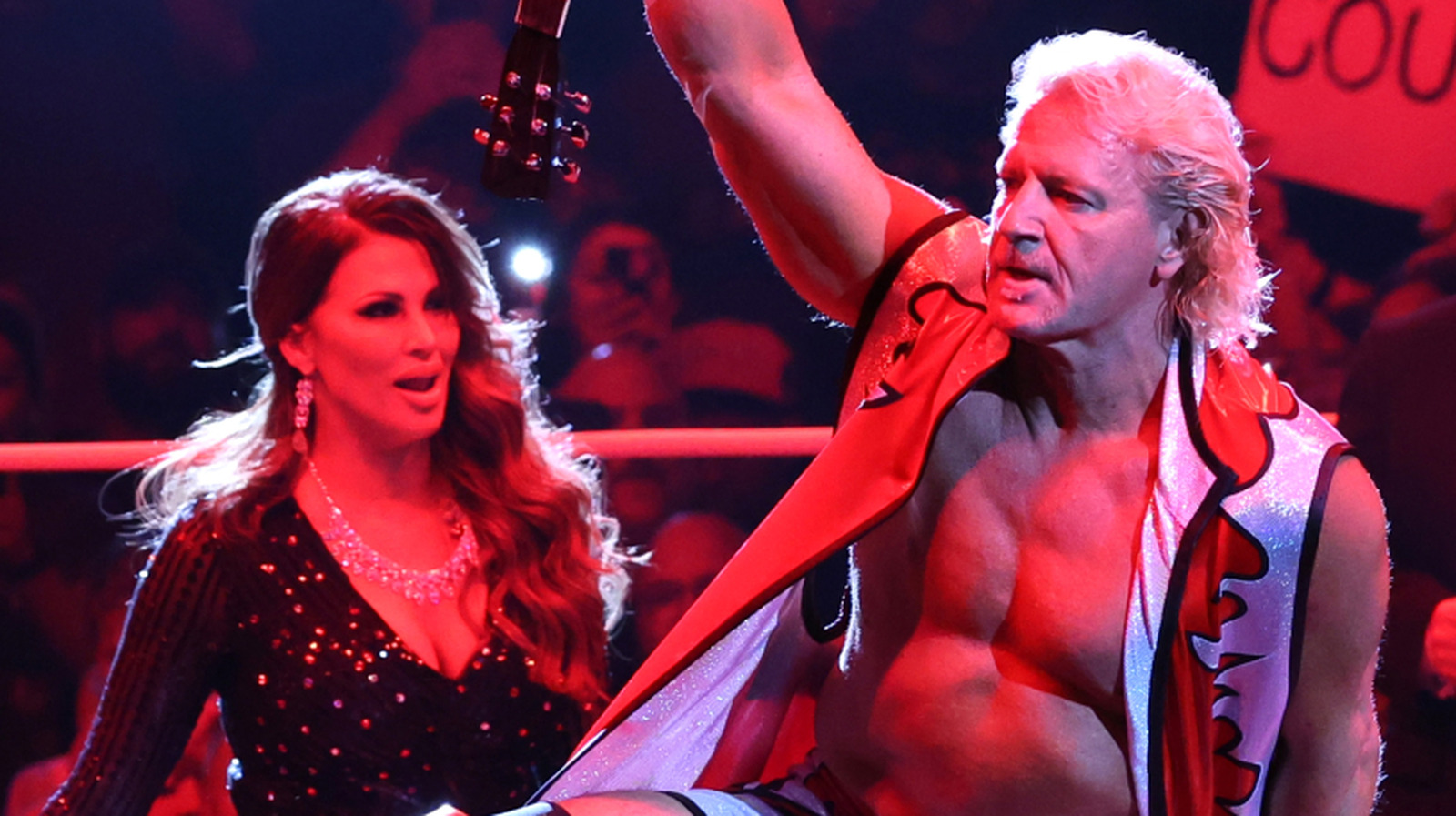
- The Jeff and Karen Jarrett Coupling: A meta-narrative that dominated television. Their on-screen pairing created polarizing moments that defined the company’s habit of blurring lines between reality and scripted storylines. It worked for ratings but often signaled a creative retreat into shock value.
- The Hard to Kill Rebranding: This was the high-water mark for the company's recent reputation. It proved that TNA could still draw interest and deliver a quality pay-per-view when the booking matched the talent level. The tragedy is how quickly the goodwill evaporated following the D’Amore exit.
- The X-Division Foundations: This was the one thing TNA did better than anybody else on the planet for years. By focusing on fast-paced, high-risk athleticism, they carved out a niche that even their competitors eventually tried to copy. It remains the most consistent brand asset they possess.
- The Lockdown Cage Era: A thematic gimmick that actually enhanced the product. Using the six-sided ring and the Lockdown concept allowed TNA to distinguish itself from the standard wrestling fare. It was a rare example of a gimmick becoming an identity rather than a crutch.
- The Spike TV Window: The era of sustained national visibility that gave the company a chance to compete. Without that television platform, the internal political wars between management would have faded into obscurity years ago.
The Big Picture
TNA remains defined by two conflicting forces: the intense loyalty of its talent and the mismanagement of its executive structure. The company is a cautionary tale of how quickly success can be undermined when the focus shifts from the ring to the boardroom.
Honorable Mentions
The six-sided ring was a polarizing experiment that created a unique look but likely limited the careers of workers with bad knees. The emergence of A.J. Styles as the face of the early company kept the lights on when nobody else could. The Knockouts Division revolutionized women's wrestling in North America, forcing the industry to abandon outdated booking tactics.