The Architect of Modern Branding
Vince McMahon transformed a regional promotion into a global cultural machine, yet his legacy is currently defined by boardroom friction and legal battles. Sorting through his recent history requires looking past the glitz of the Titan Towers headquarters to the cold reality of shareholder litigation and corporate stubbornness.
The McMahon Ranking
1. The Endeavor Merger Architecture. McMahon sold the company at the top of the valuation cycle, essentially trading wrestling autonomy for corporate stability. Whether you approve of the move, the math dictates his top spot here because he effectively ended the McMahon-run era. It is the defining financial move of the century for the industry.
2. The Shareholder Litigation Defense. Legal filings currently dominate the narrative surrounding his departure. With the trial recently canceled, his camp is signaling a pivot to aggressive public relations, pushing back against claims regarding the valuation of the deal. His ability to frame the discourse even while technically outside the organization remains unmatched.
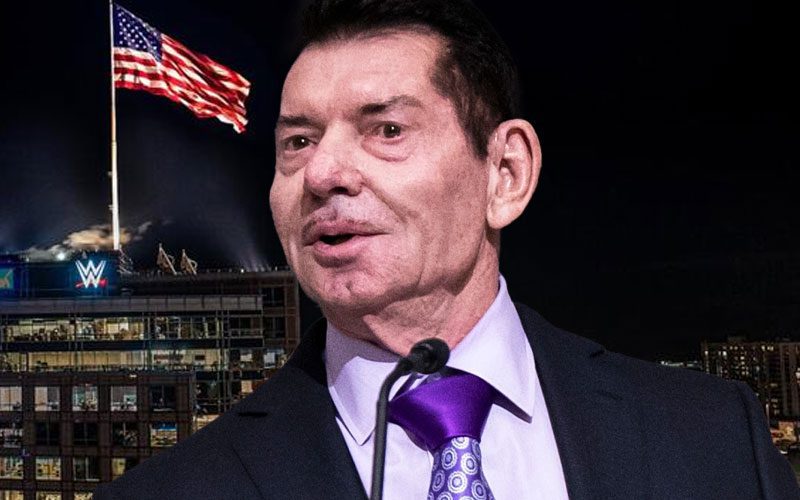
3. The Giant HQ Flag Decision. According to recent reports, McMahon ignored warnings about the size and structural impact of the American flag outside the Stamford headquarters. It serves as a near-perfect micro-metaphor for his management style: brute force defiance regardless of logistical counsel. He ranks here because it reveals the internal friction that defined his later years.
4. The WWE Network Genesis. Prior to the streaming era, McMahon recognized that controlling the distribution of his library was the only way to insulate the company from cable fluctuations. This was his most forward-thinking move, predicting the cord-cutting trend before the rest of the sports world scrambled to keep up. It saved the library from irrelevance.
5. The Montreal Screwjob. While decades old, it remains the standard for his commitment to controlled outcomes. By blurring the lines between reality and scripted history, he created a meta-narrative that the industry still relies on today. It ranks mid-table because it is the baseline for his entire psychological toolkit.
6. The Attitude Era pivot. He recognized the shift in pop culture interest towards irony and edge before the competition. By leaning into his own persona as the villain, he created a foil for Steve Austin that printed record-breaking revenue figures. It was the only time his own character work was as influential as his executive decisions.
7. The Launch of NXT. This project brought independent wrestling veterans into a polished, prestige-branded developmental system. It allowed him to poach top-tier talent while thinning the competition's rosters nationwide. It eventually stalled under heavier corporate control, but the initial phase was a tactical masterstroke.
8. The WrestleMania Concept. Betting the entire company on a single event in 1985 was the definition of high-risk, high-reward. While it was arguably a group effort, McMahon was the one who pushed the bank to its absolute limit to keep the torch lit. Every promotion now tries and fails to replicate this specific level of event-based gravity.
9. The Failed XFL Reincarnation. This serves as the primary example of his hubris. Ignoring the saturated landscape of secondary football leagues, he overestimated his brand's crossover appeal. It cost him millions of dollars and significantly damaged his reputation for business acumen outside of a ring.
10. The Talent Classification Strategy. McMahon notoriously resisted moving wrestlers to full employee status for decades to manage costs. While financially effective for the bottom line, it created immense resentment and long-term legal headaches. It earns the final spot for being the most polarizing and potentially damaging aspect of his treatment of labor.
The Big Picture
McMahon's influence is best understood not through individual matches, but through the tension between his aggressive business expansion and the personal fallout that trailed him daily. As sources close to his camp suggest, the narrative of his retirement is just as curated as any scripted segment was during his peak. We are watching the messy, bureaucratic end of a three-decade reign.
Honorable Mentions
The acquisition of WCW remains an essential footnote, though it was effectively a fire sale that he won by simply outlasting the competition. Additionally, the recent discourse surrounding talent like Jey Uso—who clarified his own agency regarding creative repetitions—shows how the McMahon-era mindset of "do what works, regardless of heat" persists in the locker room today. The shadow of his methodology continues to loom over current production choices, even if his name is no longer on the call sheet.