The mid-year wrestling reality check
Pro wrestling in 2026 is defined by cutthroat booking and a sudden scarcity of veteran presence on developmental brands. We are watching a clear shift in priority toward fresh, unproven assets over established reliability.
This list tracks current turns, releases, and ring work that moved the needle through June 2026. The industry is currently undergoing a major management evolution as power structures solidify.
1. Triple H cements operational dominance
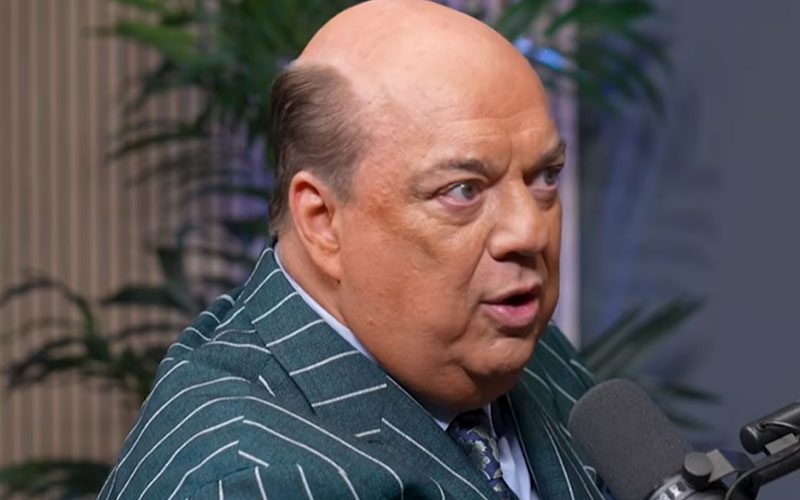
Paul Heyman recently went on record stating Triple H is currently outperforming his own reputation. This is not just corporate fluff; it reflects the streamlined creative direction seen since the spring. Levesque has moved away from the bloat of previous regimes, favoring tighter, 15-minute main events.
The efficiency of his current booking cycle takes the top spot. It ranks above individual matches because it dictates the quality of every secondary show. The results are visible, yet the lack of long-term character development remains a glaring vulnerability.
2. The Gigi Dolin developmental exodus
Gigi Dolin has vanished from screens, and reports confirm she is clearing her remaining independent dates. As noted in our recent analysis of her trajectory, her exit leaves a void in the women’s division. She brought a specific brand of aggression that current rookies cannot replicate.
This ranks second because it signals a wider shift in how NXT treats its veteran assets. If a talent of her stature is allowed to walk, the brand is prioritizing cost-cutting over star power. It is a risky gamble during a lean year.
3. The decline of the veteran gatekeeper
The middle of 2026 has been defined by the removal of seasoned veterans from the roster. These releases were not merely budget decisions; they were structural changes to the way locker rooms operate. Newer talent is now being forced into positions they are not ready for physically or mentally.
This sits at number three because it affects every other entry on this list. Without veterans to pace a match, the quality of television suffers. It creates a vacuum that even the best agents cannot fill.
4. NXT’s shift toward unproven assets
The push for fresh blood has reached a fever pitch. We see rookies main-eventing television slots that were formerly reserved for established names. The work rate is high, but the storytelling is fundamentally shallow.
This ranks fourth because it proves the company is willing to sacrifice immediate ratings for long-term viability. It is a necessary evil, yet the execution has been clumsy. Fans are struggling to connect with performers who have no established backstories.
5. The refinement of the premium live event
WWE has curtailed the length of their major events, focusing on quality over quantity. The current run-times rarely exceed 3 hours. This change has improved the pacing of title matches significantly.
It ranks fifth because it creates a more palatable product for the casual viewer. However, it feels like a correction to past excesses rather than a new innovation. It is functional, not revolutionary.
6. The rise of the technical specialist
We are seeing a sudden surge in technical wrestling on developmental brands. High-flying spots are being replaced by mat-based sequences. This is a direct reaction to the rash of injuries seen in early May.
This earns the sixth spot for its impact on athlete longevity. It is a smart pivot, though it occasionally drags the pace of the show to a crawl. The balance between excitement and safety has not been found yet.
7. Heyman’s influence on internal morale
Heyman’s public endorsement of the current executive leadership has quieted backstage dissent. By aligning himself with the new guard, he has effectively silenced the critics of the current management style. It is a move of pure political calculation.
He sits at seventh because influence behind the scenes is harder to quantify than matches. Still, the impact is undeniable. The locker room is far more disciplined than it was twelve months ago.
8. The contraction of independent partnerships
WWE has tightened its grip on talent, effectively ending several outside associations. This has limited the options for wrestlers who are not getting television minutes. The monopoly on professional wrestling talent has become absolute.
This ranks eighth due to the negative impact on the broader industry. It chokes off the pipeline of talent that usually prepares wrestlers for the big leagues. It is a shortsighted strategy that hurts the product in the long run.
9. The struggle of the secondary championships
Mid-card titles are being treated as afterthoughts in most segments. We have seen champions go weeks without a meaningful defense or a promo. The lack of stakes makes these segments skippable.
This sits at ninth because, while the main event scene is healthy, the foundation is crumbling. A company is only as strong as its undercard. If the middle of the roster is ignored, the whole thing eventually collapses.
10. The 2026 injury audit
The first half of the year saw a spike in head and neck injuries among junior performers. Management has responded by implementing stricter gym protocols. This is a quiet development, but one that will dictate the future of the roster.
It takes the final spot because, while boring, it is the most vital reality check. Without healthy workers, the other nine points on this list are irrelevant. It is a harsh reminder of the physical cost of the current fast-paced booking style.
Honorable mentions: The improved lighting packages in secondary arenas, the return of classic ring gear designs, and the tightening of social media guidelines for active wrestlers.