The Hierarchy of Mid-Atlantic Wrestling
TNA finds itself in a precarious state as June 2026 winds down. The promotion is trading on nostalgia while trying to build a bridge to a functional developmental pipeline. These rankings reflect the current roster strength, booking trajectories, and the grim reality of Carlos Silva’s recent corporate pivots.
1. The Knockouts Division Heritage
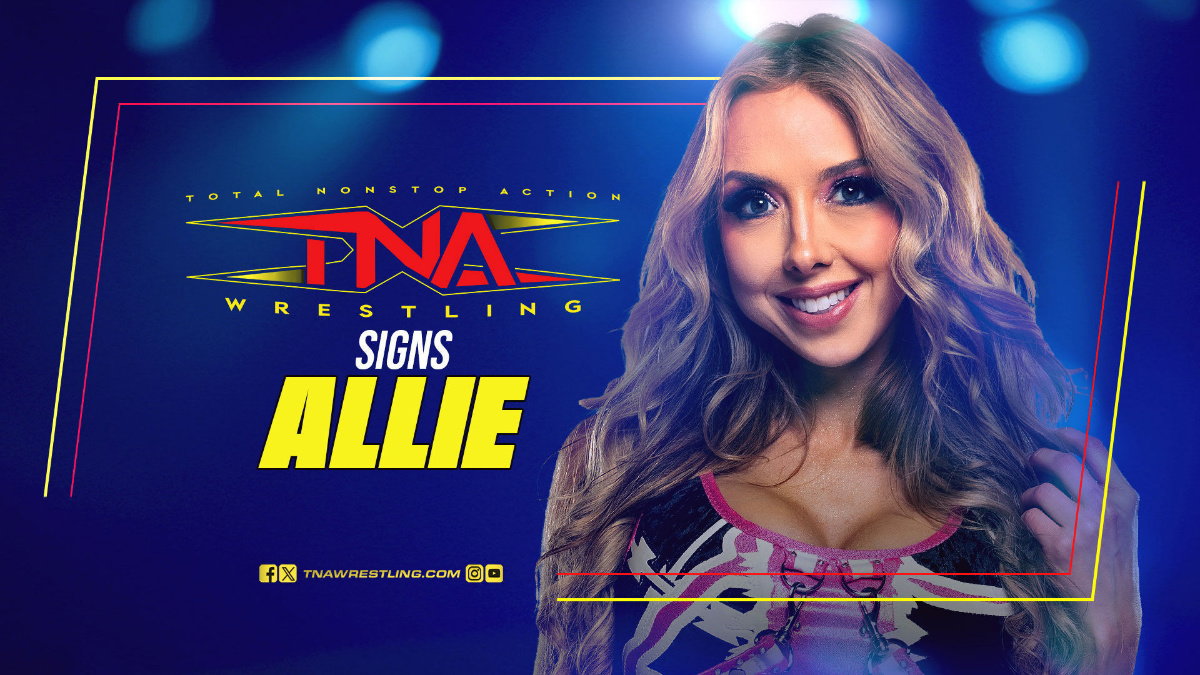
TNA remains the industry gold standard for women's wrestling presentation. Despite massive competition from larger national entities, the booking consistently prioritizes technical matches over secondary storylines. Allie, now formally back on the roster as noted by WrestleTalk, provides the necessary veteran gravitas to keep the division relevant. This ranking reflects the division's ability to maintain high work rates even as the company's fiscal security falters.
2. Allie
The return of the veteran performer is the single most important morale boost for the backstage locker room this year. Her ability to pivot between character-driven humor and high-impact offense fills a void left by outgoing talent late last year. She currently sits atop the roster not just for name value, but for the reliability she brings to the weekly taping schedule. Bringing her back solidifies the locker room culture that has been erratic since the mid-quarter restructuring.
3. The OVW Developmental Pipeline
The impending working agreement with Ohio Valley Wrestling is a desperate but necessary move to fix long-term roster supply issues. Relying on aging veterans has hit a ceiling, and this partnership provides a literal life vest for a dying talent acquisition strategy. It ranks high because, without it, the company has no visible path forward for green talent development. If this fails, the entire business model collapses within eighteen months.
4. Strategic Roster Continuity
Keeping veterans who understand the TNA identity is the only thing preventing a complete talent exodus. Unlike younger promotions that churn through independent contractors monthly, TNA has managed to retain a core group that keeps the product watchable. The risk here remains over-reliance on older knees, which makes for a slow pace that newer, more agile promotions are currently exploiting.
5. The Technical Standard
Despite shaky booking, the technical bell-to-bell quality remains superior to many regional circuit competitors. You can tune into a TNA broadcast on any given Thursday and expect at least 60% of the card to feature competent, safe, and logical ring work. This is the bedrock of the company’s survival strategy. It is not always exciting, but it beats the chaotic pacing seen in other promotions.
6. Marketing Agility
TNA has mastered the art of playing the underdog, even when those in charge like Eric Bischoff lose faith in the promotion as a number two player. Bischoff’s recent pivot underscores the reality that TNA is no longer hunting for a spot in the primary market. This humility allows the marketing team to target a specific, loyal demographic rather than over-spending on reach it cannot sustain.
7. Television Production Value
The production design outclasses most non-major wrestling organizations globally. Lighting, camera work, and audio engineering remain consistent, providing a crisp polish that hides the fact that the company’s actual financial reserves are currently under duress. High production value is the paint on a crumbling wall, but it keeps the sponsors from leaving the table prematurely.
8. The Cruiserweight/X-Division
This division defined the company's identity in the early 2000s, and it remains a bright spot in a dark era. The talent here is hungry, often booked in high-stakes matches that occasionally hit 25 minutes of pure scramble action. It remains the best entry point for new fans who have never seen a TNA broadcast. However, the lack of follow-through in pushing these performers to the world title tier remains a significant management failure.
9. Local Market Penetration
TNA remains highly effective at selling out mid-sized venues in their core markets. This grass-roots level of engagement provides steady, if unexciting, revenue streams during lean quarters. It is not moving the needle for national growth, but it keeps the lights on when the television rights fees are stagnant. This is the definition of a blue-collar wrestling promotion fighting for survival.
10. The Carlos Silva Pivot
Placing executive management at the bottom of the list is generous given the current uncertainty. As observed by F4WOnline, current strategies are increasingly frantic as the company searches for a signature identity. The constant shifting of priorities suggests a leadership team that is reacting to the market rather than setting it. It is a necessary component of the current company structure, but also its greatest potential point of failure.
Honorable Mentions
The commentary team deserves recognition for maintaining professional standards despite being handed scripts that frequently contradict the in-ring action. Additionally, the tag team division is currently experiencing a modest renaissance, providing stable matches even if the long-term stakes feel nonexistent. We expect shifts here as the OVW agreement begins to bear fruit in late Q3.