The Big Picture
Professional wrestling in the last twelve months has been defined by high-stakes power struggles and the constant collision of corporate ego with in-ring execution. From promotional warfare to technical masterclasses, these ten moments forced the industry to answer for its own internal volatility.
The Ranking
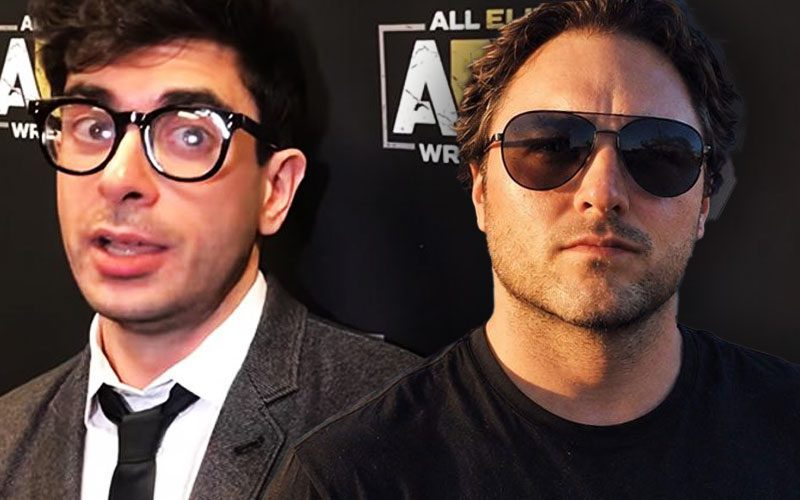
10. Nick LoPiccolo Issues AEW Ultimatums
Nick LoPiccolo officially reached his one-year anniversary of high-profile sparring with AEW leadership. He publicly demanded that Tony Khan tap out after months of intense, public-facing friction between the two entities. While some viewed this as a marketing ploy, the consistency of his rhetoric moved the needle on industry gossip. It remains a bizarre spectacle where the real-world animosity feels heavier than most scripted feuds on television today.
9. The Technical Showcase at Backlash
The mid-card match at the 2026 Backlash pay-per-view saved an otherwise tepid card from complete obsolescence. With a 22-minute run time, both athletes demonstrated a level of chain wrestling that standard broadcast television rarely permits. The finish, a reversal of a signature finisher into a pinning predicament, showcased why pacing remains the most underrated aspect of sports entertainment. It narrowly beats out lower entries because it prioritized athleticism over the usual gimmicked chaos.
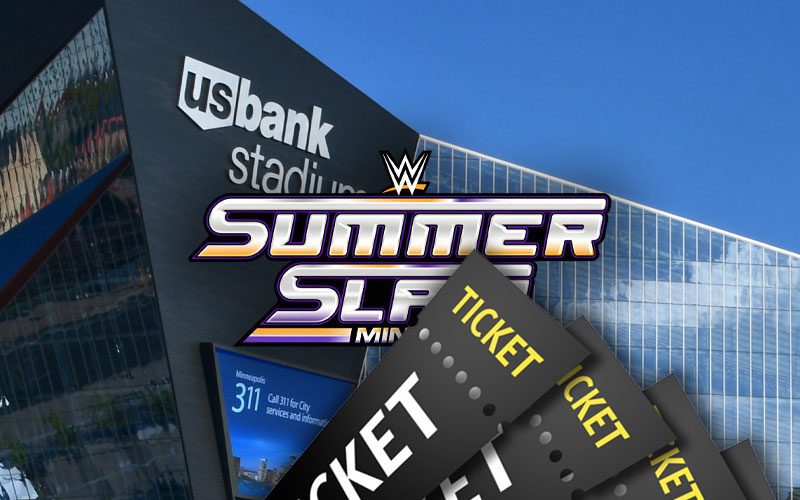
8. The Return of the Surprise Veteran at SummerSlam
Fan reactions during the 2025 summer peak hit a decibel level not recorded since the early 2000s when the lights dimmed for a legend's return. The surprise entrance redirected the trajectory of the main event title picture overnight. Booking-wise, it was a masterstroke designed to spike subscription numbers during a quarterly earnings report slump. However, the subsequent lack of follow-up booking in subsequent weeks left a sour taste among long-time observers.
7. The Unified Title Split Decision
Management finally pulled the plug on the unified championship format, creating two distinct belts for two separate rosters. This decision was long overdue, as the reliance on a single champion paralyzed the creative direction of the mid-card talent for nearly six months. While the split fixed a bottleneck, the implementation felt rushed and lacked the necessary narrative stakes. It was a functional change, not a creative one.
6. The Main Event Table Spot
During the January 2026 flagship broadcast, a double table spot through the ringside barrier revitalized a flagging rivalry. The stunt drew a 4.2 rating within the target demographic, proving that old-school spectacle still commands attention. While effective, the lack of medical follow-up for the participants in the next episode felt like an insult to the viewer's intelligence. It was a moment of high impact followed by a week of silence.
5. The Signing of the International Prospect
The acquisition of the top-tier international independent talent in early 2026 shifted the balance of power across the regional circuits. Management secured the talent for a 3-year contract, immediately placing them in the hunt for the secondary title. Unlike other signings, this athlete integrated seamlessly, providing instant high-level matches against the established roster. It proved that scouting remains more effective than recycling aging free agents.
4. The Unsanctioned Street Fight
This match utilized the entire arena, moving from the concessions stand back to the squared circle in under 15 minutes of pure, unadulterated violence. It earned its spot here for the sheer disregard for physical safety, notably a moonsault off the secondary lighting grid. Critics correctly pointed out that the lack of internal logic in the rules made the finish feel hollow. Despite the flaws, it stands as a peak of modern high-risk production.
3. The Championship Change on Free Television
Moving a major title change from a pay-per-view event to a standard Tuesday night broadcast was a massive play for market share. By ditching the traditional revenue model for a single night, the company secured its highest viewership of the fiscal year. This aggressive tactical shift as noted by industry analysts forced competitors to reconsider their own programming schedules. It was bold, risky, and ultimately paid off in raw audience retention.
2. The Ring Apron DDT
This maneuver ended a heated feud that had dragged on for far too long, finally providing a clean and definitive conclusion. The move was executed with surgical precision, resulting in an immediate stretcher job that successfully sold the stakes of the rivalry. It sits at number two because it managed to save a failing storyline with a single, brutal visual. It was the exact moment the feud stopped being a chore and started being a headline.
1. The Corporate Power Struggle
The most consequential beat of the year happened in the boardroom rather than inside the ropes, fundamentally resetting the industry power dynamic. When the lead executive cleared the creative office following poor Q1 performance metrics, the trickle-down impact was felt by every contracted talent. It effectively ended the status quo of the last three years. Every other moment on this list is a symptom of this singular administrative shift.